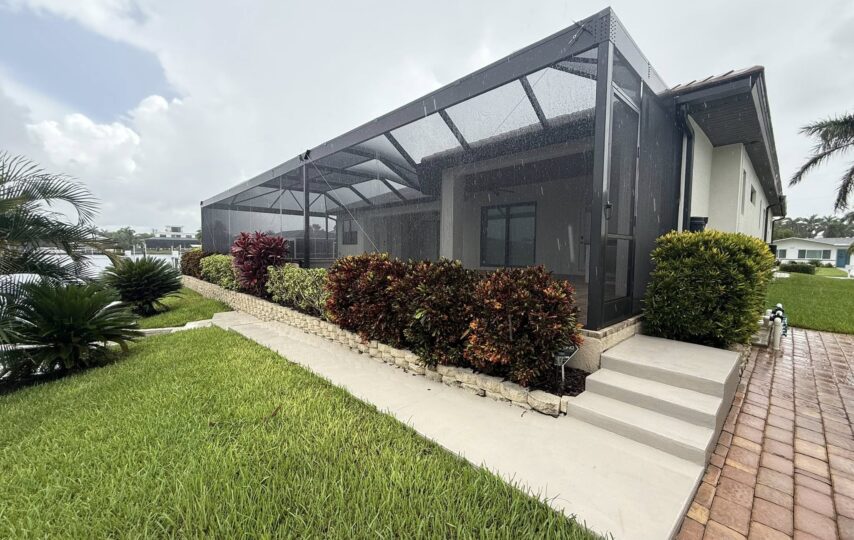

Florida patios, lanais, and outdoor living areas provide comfortable spaces for relaxing, entertaining, and enjoying warm weather throughout the year. However, these spaces can become major safety hazards when tropical storms and hurricanes approach. Patio furniture, grills, planters, decorations, and loose building materials may become airborne in high winds, potentially damaging windows, roofs, vehicles, and neighboring properties. Homeowners should prepare well before a storm appears in the forecast rather than waiting until local warnings are issued. A complete hurricane preparation plan may include securing loose belongings, inspecting structural components, improving drainage, and installing hurricane shutters for lanai protection. Taking these precautions can reduce property damage while making the entire home safer during hurricane season.
Begin Preparing Before a Storm Is Forecast
Florida’s hurricane season officially runs from June through November, but patio preparation should begin before severe weather threatens the area. Early preparation gives homeowners time to inspect their outdoor spaces, complete repairs, and purchase supplies without dealing with crowded stores or limited product availability. Create a written checklist that covers every item located on the patio, lanai, pool deck, and surrounding yard. Determine which items can be brought indoors, which materials need to be secured, and which structures may require professional attention. It is also helpful to photograph the patio and its contents for insurance documentation before hurricane season begins. Updating these photographs after major purchases or renovations can make future claims easier to support.
Homeowners should review local building requirements and community association rules before installing permanent storm protection. Some Florida communities have specific guidelines covering shutters, screens, fences, storage structures, and exterior modifications. Coastal regions and designated wind-borne debris areas may also have stricter requirements than inland communities. A qualified contractor can help determine whether existing patio features meet current wind-resistance standards. Addressing these concerns early provides more options than making rushed decisions immediately before a storm. It also helps homeowners develop a repeatable preparation routine that can be completed efficiently whenever severe weather approaches.
Remove or Secure Outdoor Furniture
Patio furniture is one of the most common sources of windborne debris around Florida homes. Lightweight chairs, tables, umbrellas, cushions, and decorative pieces can be lifted or overturned even before hurricane-force winds arrive. Whenever possible, move these items into a garage, shed, or indoor storage area. Avoid placing furniture inside a swimming pool, as this may damage the pool finish, affect water chemistry, and complicate cleanup after the storm. Large furniture that cannot be moved should be grouped together and secured using strong straps or appropriate anchors. Homeowners should never assume that an item is too heavy to move during powerful hurricane winds.
Common patio items that should be removed or secured include:
- Chairs, tables, benches, and outdoor sectionals
- Patio umbrellas and freestanding shade structures
- Seat cushions, pillows, rugs, and fabric cover
- Hanging baskets, planters, and garden decorations
- Outdoor lamps, string lights, and portable speakers
- Pool toys, cleaning tools, and maintenance equipment
- Fire pits, propane tanks, and portable grills
Homeowners should also inspect storage benches and deck boxes to make sure their lids latch securely. A storage container filled with cushions may still slide, overturn, or open in severe winds. Permanent anchoring systems may provide better protection for larger outdoor furniture, but the anchors must be installed correctly and connected to a strong structural surface. Rope, lightweight cords, and temporary hooks may not withstand hurricane conditions. When there is uncertainty, bringing the item indoors is usually the safer choice. Every object removed from the patio reduces the possibility of property damage or personal injury.
Protect the Lanai and Patio Openings
Screened lanais are especially vulnerable because wind can press against screens, doors, frames, and roof connections. Screens are not designed to stop flying debris, and even a small object can tear the material or damage the enclosure. Installing hurricane shutters for lanai openings can help create a stronger barrier against wind and debris. Depending on the size and design of the enclosure, homeowners may consider roll-down shutters, accordion shutters, removable panels, or professionally engineered fabric systems. Each option has different installation, storage, and maintenance requirements. A qualified installer can recommend a system that is appropriate for the opening dimensions and the home’s structural design.
Shutters should be tested before hurricane season to confirm that they open, close, lock, and align properly. Removable panels should be clearly labeled so homeowners know which panel fits each opening. Store fasteners, installation tools, and instructions together in an accessible location. Do not wait until strong winds begin to install storm protection, since working outdoors in deteriorating conditions can be extremely dangerous. Homeowners should also confirm that shutters do not block necessary emergency exits without a safe alternative. Regular maintenance can prevent corrosion, sticking tracks, missing hardware, and other problems that may delay storm preparation.
Inspect the Patio Roof and Enclosure
A patio roof, pergola, awning, or lanai enclosure should be inspected for signs of weakness before hurricane season. Look for loose screws, rusted fasteners, cracked supports, damaged flashing, separated connections, and missing sealant. Small problems may become serious failures when the structure is exposed to intense wind and heavy rain. Retractable awnings should be fully retracted and secured according to the manufacturer’s instructions. Fabric canopies, shade sails, and temporary roof coverings should generally be removed unless they are specifically engineered for severe wind conditions. A professional inspection may be necessary when the structure is older, visibly damaged, or attached to the home.
Homeowners should avoid making unapproved structural modifications using improvised braces or random fasteners. Incorrect alterations may place stress on the wrong parts of the structure and increase the risk of failure. Repairs should use compatible materials and methods that meet applicable Florida building standards. Pay particular attention to connections between the patio roof and the main building, since these areas may experience substantial uplift forces. Gutters and downspouts attached to patio roofs should also be checked for loose sections or clogged drainage paths. Completing repairs during calm weather is safer and usually less expensive than handling emergency damage after a storm.
Clear Drains, Gutters, and Water Pathways
Hurricanes can produce intense rainfall that overwhelms clogged drains and poorly maintained gutters. Before hurricane season, remove leaves, dirt, mulch, and other debris from patio drains, roof gutters, scuppers, and downspouts. Make sure water flows away from the foundation rather than collecting near doors, walls, or screened enclosures. Low areas around the patio may require grading improvements or additional drainage solutions. Homeowners should also inspect door thresholds and weather seals for gaps that could allow wind-driven rain into the home. Addressing water management problems can reduce the risk of flooding, mold, and damage to flooring or furnishings.
Do not place sandbags directly against doors without understanding how water will drain around them. Poorly positioned barriers can redirect water into another part of the house or trap moisture against exterior surfaces. When local officials recommend sandbags, follow municipal instructions for filling, placement, and disposal. Portable pumps may be useful in certain situations, but they should be tested before a storm and operated according to safety guidelines. Electrical equipment should never be used in standing water unless it is specifically designed for that purpose. A well-maintained drainage system should remain the primary defense against ordinary patio water accumulation.
Trim Nearby Trees and Landscaping
Trees and landscaping around a patio can provide shade and privacy, but damaged branches may become dangerous during a hurricane. Inspect nearby trees for dead limbs, cracked trunks, weak branch attachments, and excessive growth over the roof or enclosure. Hire a qualified tree professional to complete major pruning or remove hazardous trees. Avoid severe trimming immediately before a storm, since improperly cut branches and leftover debris can create additional hazards. Palm fronds, coconuts, and heavy seed pods should also be addressed when they could fall onto the patio. Routine landscape maintenance throughout the year is more effective than last-minute cleanup.
Move potted plants indoors or place them in a secure, enclosed area before the storm. Large pots that cannot be moved should be lowered, grouped together, and secured when possible. Do not leave gardening tools, hoses, watering cans, or bags of soil outside. Decorative stones, small statues, and loose edging materials may also become airborne in extreme winds. Homeowners should inspect fences and gates near the patio for loose boards, damaged hinges, and weakened posts. Strengthening the surrounding landscape helps protect both the patio and the rest of the property.
Secure Grills, Fire Features, and Propane Tanks
Outdoor cooking equipment requires special attention during hurricane preparation. Portable grills should be moved into a secure, ventilated storage area after they are completely cool. Propane cylinders should never be stored inside the living area of the home. Follow local fire safety guidance for securing propane tanks outdoors in an upright position away from doors, windows, and potential floodwater. Shut off fuel supplies to permanent outdoor kitchens when recommended by the equipment manufacturer or a qualified technician. Remove grill tools, covers, utensils, and other accessories that could become windborne debris.
Built-in outdoor kitchens should be inspected for loose doors, drawers, panels, and appliances. Lock or secure cabinet doors so they cannot repeatedly open and close during high winds. Unplug outdoor refrigerators and electrical equipment if instructed by local authorities or the manufacturer. Protect electrical components from water while avoiding coverings that may trap heat or moisture. Gas lines, valves, and connections should not be altered by anyone who is not qualified to perform the work. After the storm, inspect all equipment carefully before restoring power or fuel service.
Document the Patio and Review Insurance Coverage
Homeowners should maintain a current inventory of valuable patio furniture, outdoor appliances, lighting, and custom features. Take clear photographs or videos showing the condition of the patio before a storm. Save receipts, model numbers, warranties, contractor records, and installation documents in a secure digital location. Review the homeowners’ insurance policy to understand how wind, flood, enclosure, and personal property damage are covered. Standard homeowners’ insurance typically treats flood damage differently from wind damage, so separate flood coverage may be necessary. Questions about exclusions, deductibles, and coverage limits should be discussed directly with a licensed insurance professional.
Documentation should also include permanent improvements such as outdoor kitchens, pavers, shutters, roofs, and screen enclosures. Homeowners should confirm whether these features are included in the dwelling limit, other structures coverage, or another category. Insurance policies and property conditions can change, so this review should be completed annually. After a hurricane, avoid discarding damaged items until the insurance company provides instructions. Take photographs before moving debris or beginning temporary repairs. Thorough records can help homeowners explain the condition and value of damaged property more clearly.
Frequently Asked Questions
When should I begin preparing my patio for hurricane season?
Complete inspections, repairs, and supply purchases before June whenever possible. Begin securing or moving patio items as soon as forecasts indicate that a tropical system may affect your area.
Should patio furniture be placed in the swimming pool?
No. Furniture can damage the pool surface, introduce contaminants, and become difficult to remove. Store it in a garage, shed, or secure indoor area instead.
Do screens protect a lanai from hurricane debris?
No. Standard screens are designed for insects and light debris, not hurricane-force impacts. Approved shutters, panels, or storm fabric can provide more effective protection.
Are hurricane shutters for lanai openings worth installing?
They can be a valuable part of a broader hurricane protection plan, especially for large screened or covered outdoor spaces. The system should be selected and installed based on the structure, opening size, and local building requirements.
Can I leave a heavy grill outside during a hurricane?
A heavy grill can still overturn or move in extreme winds. Move it to a secure location when possible, and follow proper propane and fuel safety procedures.
Should I tape patio doors and windows?
Tape does not prevent glass from breaking and is not a substitute for approved storm protection. Use properly installed shutters, impact-resistant systems, or other approved protective products.
What should I inspect after the storm?
Check the patio roof, enclosure, shutters, drains, electrical equipment, gas lines, furniture, and surrounding trees. Stay away from unstable structures, standing water, exposed wires, and suspected gas leaks.
Build a Repeatable Hurricane Patio Plan
Preparing a Florida patio for hurricane season requires more than moving a few chairs when a storm is approaching. Homeowners should create a written plan that assigns storage locations, lists necessary tools, and identifies the order in which tasks should be completed. Keep shutter hardware, gloves, flashlights, batteries, and basic cleanup supplies in a clearly marked container. Review the plan with every household member so that responsibilities are understood before weather conditions deteriorate. Practice installing removable panels or closing shutters during calm weather rather than learning during an emergency. A familiar routine can make storm preparation faster, safer, and less stressful.
The strongest approach combines early maintenance, structural protection, responsible storage, drainage improvements, and careful documentation. Homeowners should follow evacuation orders and official instructions even when the patio and home have been thoroughly prepared. No shutter, anchor, or enclosure can eliminate every risk associated with a major hurricane. However, reducing loose debris and strengthening vulnerable openings may significantly limit preventable damage. Florida residents who prepare early are less likely to face rushed decisions when supplies become limited and weather conditions worsen. By maintaining the patio throughout the year and acting promptly when storms develop, homeowners can better protect their outdoor spaces, their homes, and the people around them.