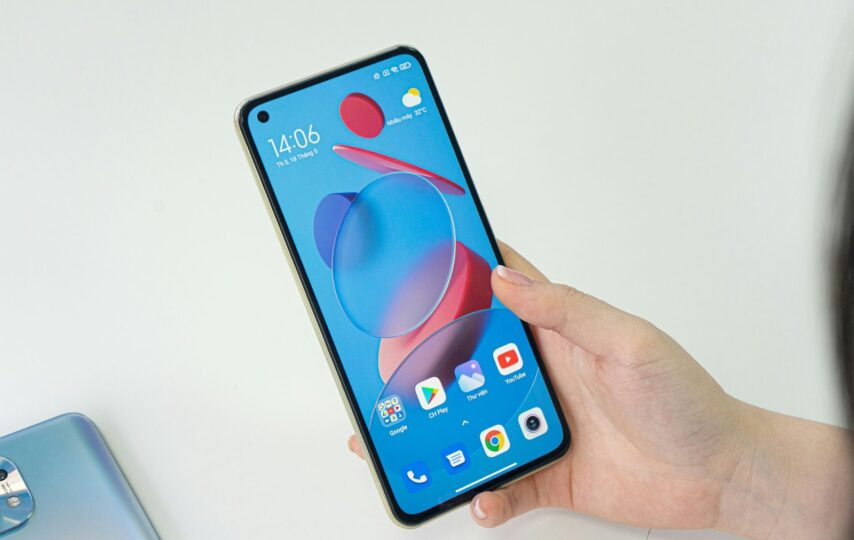

For a decade, smartphone launches followed a familiar script: a slightly better camera, a slightly brighter screen, a slightly bigger battery. That script quietly changed. The most meaningful spec on a 2026 flagship is one most shoppers still ignore – the neural processing unit, the dedicated chip that runs artificial intelligence directly on the device. It now shapes everything from how your photos look to how long your battery lasts, and it is rapidly becoming the real dividing line between phones that age well and phones that feel dated within a year.
What on-device AI actually does for you
The phrase “AI phone” sounds like marketing, so it helps to be concrete. On-device AI means the model runs on the phone’s own silicon rather than in a distant data center. Practical consequences follow. Live translation works on a plane with no signal. Voice notes become searchable text instantly. Photo editing that once needed a desktop – removing a photobomber, extending a background – happens in the gallery app in about a second.
There is also a privacy dimension that matters more than most buyers realize. When the assistant summarizes your messages or drafts a reply, an on-device model means that content never leaves the handset. Cloud assistants can be excellent, but they require sending your data somewhere else. The strongest 2026 flagships let you choose per task, and that choice only exists when the local hardware is fast enough.
The spec that replaced megapixels
Neural performance is measured in TOPS – trillions of operations per second – and the spread across the current market is wider than most people expect. A budget handset may ship with a chip delivering single-digit TOPS, enough for face unlock and some camera tricks. Flagship silicon now clears 45 to 80 TOPS, and that headroom is what separates a phone that merely has AI features from one that runs genuinely useful models locally.
Memory matters just as much, and it is the quieter part of the story. Language models are memory-hungry: a phone with 8 GB of RAM struggles to hold a capable model alongside your open apps, while 12 to 16 GB flagships can. This is the same dynamic playing out across the entire AI hardware world, from data centers down to laptops – memory, not raw compute, is the ceiling – and phones are simply the smallest place you can watch it happen.
How the 2026 field actually compares
The good news for buyers is that the field has genuinely diverged, which makes comparison shopping worthwhile. Google leans on tight integration between its Tensor silicon and its Gemini models, and its call-screening and photo tools remain the reference point. Samsung ships the broadest suite – live translate on calls, generative photo editing, cross-app actions – and pairs it with the most RAM in the mainstream lineup. Apple’s approach is quieter but deeply integrated, with private on-device processing as the default and cloud handoff only for heavier requests.
Detailed spec-by-spec comparisons of NPU throughput, RAM, and which AI features run fully offline are exactly the kind of research worth doing before spending a thousand dollars; independent resources that track the best AI phones in 2026 model-by-model make that homework considerably easier than piecing together spec sheets from press releases.
The budget question: how much AI does a mid-range phone buy?
The pleasant surprise of 2026 is how far AI capability has traveled down the price ladder. Mid-range phones in the $400 to $600 bracket now ship with neural hardware that would have been flagship-class two years ago, and the essential features – live translation, voice transcription, smart photo cleanup – run comfortably on most of them. For a buyer whose AI use ends there, paying flagship money purely for a bigger NPU is hard to justify.
The compromises hide in the details. Mid-rangers typically ship with 8 GB of RAM rather than 12 to 16, which means the more ambitious on-device features either run slowly or quietly fall back to the cloud. Manufacturers also tend to reserve their newest AI features for the phones that carry their newest silicon, even when older hardware could technically manage. The result is a market where the sticker price gap between mid-range and flagship is really a gap in how long the AI feature set keeps growing after purchase.
One more variable deserves attention: software support windows. A mid-range phone with seven years of promised updates and modest neural hardware can end up delivering more cumulative AI capability than a flagship from a brand that loses interest after three. The update policy is, in effect, an AI spec.
Why this matters more with every software update
Here is the part that makes the NPU a long-term decision rather than a launch-day gimmick: AI features arrive through software updates, and they arrive tuned for the hardware manufacturers expect most users to own two years from now. A phone bought today with marginal neural hardware will technically receive those updates, but features will be trimmed, slowed, or routed to the cloud. Buyers who lived through the era when older phones received new Android versions but none of the headline features will recognize the pattern.
The practical advice is straightforward. If you keep phones for three or four years, prioritize neural performance and RAM over the traditional headline specs, because those two numbers decide which future features your device actually gets. The camera bump will look the same in 2029; the AI gap will not.
A practical checklist before you buy: first, look up the phone’s neural throughput and treat anything under roughly 40 TOPS as entry-level for AI work. Second, insist on 12 GB of RAM or more if you plan to keep the device past two years. Third, ask which headline AI features run fully offline, because that list – not the megapixel count – is what will keep growing with updates. And finally, check the manufacturer’s update commitment in years, since every one of those years now carries new AI capability with it.
The smartphone industry spent fifteen years teaching us to compare cameras. It will spend the next five teaching us to compare neural silicon. Shoppers who learn to read those numbers now – TOPS, RAM, and what runs offline – will simply make sharper decisions than the spec-sheet habits of the last decade allow.