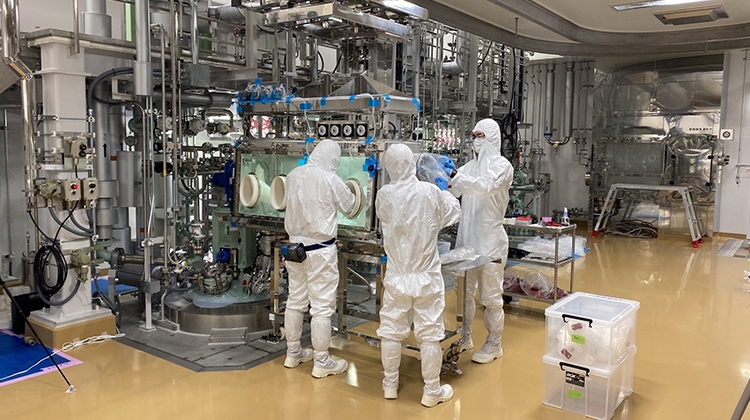

Containment systems are designed to keep hazardous, corrosive, or environmentally sensitive materials securely isolated from surrounding areas. When those systems fail, the consequences can extend far beyond a simple repair, potentially leading to cleanup costs, regulatory penalties, property damage, production delays, and legal exposure. For that reason, organizations increasingly rely on advanced testing methods to verify system integrity before a small defect becomes a major liability. Modern testing technologies can identify weaknesses that visual inspections alone may miss, including pinholes, seam failures, pressure loss, and hidden leaks. Effective leak detection also gives facility managers better data for maintenance planning and risk management. By identifying problems early and documenting system performance, businesses can reduce long-term financial and operational exposure.
Why Containment System Integrity Matters
Containment systems are used across industries such as chemical processing, oil and gas, manufacturing, wastewater management, food production, and industrial storage. These systems may include tanks, liners, secondary containment areas, piping, sumps, barriers, and other components designed to control liquids or gases. Even minor deterioration can compromise performance over time, especially when systems are exposed to chemicals, temperature changes, pressure fluctuations, vibration, or heavy use. A small defect may remain unnoticed until it causes contamination, material loss, or structural damage. Regular testing helps organizations confirm that containment systems are performing as intended under real operating conditions. This proactive approach can reduce uncertainty while supporting safer and more reliable operations.
The Limitations of Visual Inspections
Visual inspections remain an important part of containment system maintenance, but they cannot identify every type of defect. Surface examinations may reveal cracks, corrosion, damaged coatings, loose fittings, or obvious signs of leakage, yet hidden problems may remain undetected. Small punctures, microscopic openings, internal corrosion, and weaknesses beneath liners can be difficult or impossible to identify by sight alone. Environmental conditions can also make visual inspection less effective, particularly in large, dark, inaccessible, or submerged areas. Advanced testing methods provide additional information that helps maintenance teams evaluate system integrity more accurately. Combining visual inspections with instrument-based testing creates a more comprehensive approach to risk management.
How Advanced Leak Detection Improves Risk Management
Advanced leak detection methods allow organizations to locate defects earlier and with greater precision than many traditional inspection approaches. Depending on the application, testing may identify changes in pressure, electrical conductivity, gas concentration, acoustic patterns, or fluid movement. These measurements can help technicians locate a specific problem instead of relying on broad assumptions about where a system may be failing. Faster identification reduces the amount of time a leak can continue unnoticed, which can limit contamination and material loss. Accurate data also allows maintenance teams to prioritize repairs according to severity and operational risk. This combination of speed and precision can significantly reduce the potential for long-term liability.
Common Advanced Testing Methods
Different containment systems require different testing methods, and selecting the right approach depends on materials, accessibility, operating conditions, and the substance being contained. Some techniques are designed for liners and membranes, while others are better suited to tanks, piping, pressure systems, or sealed components. Modern testing methods can detect very small defects that may not produce visible signs during normal operation. Facilities often use more than one technique to increase confidence in their inspection results. The best testing program typically combines periodic assessments with targeted testing after repairs, installation, or equipment modifications. Proper method selection helps organizations detect problems before they develop into costly failures.
Common testing methods include:
- Pressure decay testing
- Vacuum testing
- Tracer gas testing
- Electrical leak location testing
- Ultrasonic inspection
- Acoustic monitoring
- Hydrostatic testing
- Infrared imaging
- Spark testing for certain coatings or liners
- Continuous sensor-based monitoring
Reducing Environmental Liability
One of the most significant risks associated with containment failure is environmental contamination. Leaking chemicals, fuels, wastewater, or industrial fluids can migrate into soil, groundwater, drainage systems, or nearby surface water. Cleanup costs can become substantial, especially if a release continues for an extended period before detection. Environmental incidents may also lead to reporting obligations, regulatory investigations, remediation requirements, and potential legal claims. Advanced testing helps reduce these risks by finding defects while they are still small and easier to repair. Early leak detection can therefore play an important role in limiting both the environmental impact and the financial consequences of a release.
Preventing Costly Equipment and Property Damage
Containment failures can damage more than the system itself. Escaping liquids may corrode structural materials, damage electrical equipment, weaken concrete, contaminate adjacent production areas, or affect other machinery. In some facilities, a leak can also create slip hazards, fire risks, or conditions that require operations to be suspended. These secondary effects can make the total cost of a containment failure much higher than the original repair expense. Advanced testing helps organizations detect deterioration before it affects surrounding equipment or infrastructure. Early intervention can extend equipment life and reduce the likelihood of unexpected capital expenses.
Supporting Regulatory and Compliance Efforts
Many industries operate under environmental, safety, quality, or facility management requirements that call for regular inspection and maintenance of containment systems. Advanced testing can help organizations demonstrate that they are taking reasonable steps to maintain system integrity and identify potential problems. Detailed testing records provide valuable evidence of inspection dates, methods, findings, repairs, and follow-up actions. This documentation can be particularly important during audits, regulatory inspections, or investigations following an incident. A consistent testing program can also make it easier to identify recurring issues and demonstrate ongoing maintenance efforts. Strong records do not eliminate liability, but they can show that the organization followed established procedures and responded appropriately to identified risks.
Improving Maintenance Planning
Advanced testing provides maintenance teams with information that can support more informed repair and replacement decisions. Instead of relying solely on age-based schedules, organizations can use test results to evaluate the actual condition of containment components. This approach can help teams identify areas that require immediate attention while allowing properly functioning equipment to remain in service. Trend data may also reveal gradual deterioration, recurring failures, or specific components that consistently create problems. Predictive maintenance strategies can then be developed around measurable changes rather than assumptions. Over time, this can reduce emergency repairs while improving the efficiency of maintenance budgets.
The Value of Testing After Installation and Repairs
Containment systems should not automatically be assumed to be leak-free simply because they are new or recently repaired. Installation mistakes, damaged seams, improper fittings, punctures, and material defects can create weaknesses before a system enters service. Testing after installation provides an opportunity to identify these issues before hazardous or valuable materials are introduced. The same principle applies after repairs, since verification testing can confirm that the repair successfully restored system integrity. Leak detection performed at these stages creates a documented baseline for future inspections. Establishing that baseline can make later changes in system performance easier to identify and evaluate.
Why Documentation Matters for Long-Term Liability
Testing is most useful when organizations maintain accurate and accessible records of the results. Documentation should identify what was tested, which methods were used, where defects were found, and what corrective actions were taken. Records can also include photographs, sensor readings, inspection reports, technician notes, and repair verification results. This information creates a history of the containment system that can help managers evaluate trends and make informed decisions. In the event of an incident, detailed records can help establish when inspections occurred and how identified problems were addressed. Maintaining reliable documentation strengthens both operational oversight and long-term risk management.
Important information to document may include:
- Inspection and testing dates
- Equipment or systems tested
- Testing methods used
- Technician or contractor information
- Defects or leaks identified
- Corrective actions completed
- Follow-up testing results
- Changes in system condition over time
Frequently Asked Questions About Advanced Containment Testing
What is leak detection in a containment system?
Leak detection is the process of identifying unintended openings, defects, or failures that allow contained materials to escape. Methods can range from visual inspection to advanced electronic, pressure-based, acoustic, or tracer testing.
How often should containment systems be tested?
Testing frequency depends on the system, material being contained, operating conditions, regulatory requirements, and consequences of failure. Higher-risk systems may require more frequent or continuous monitoring.
Can advanced testing detect very small leaks?
Yes, certain testing methods can identify leaks that are too small to be seen during a standard visual inspection. The level of sensitivity depends on the technology used and the system being tested.
Should testing be performed after repairs?
Yes. Post-repair testing helps confirm that the corrective work successfully restored containment integrity and did not introduce additional defects.
Is one testing method enough?
Not always. Using multiple methods can provide a more complete assessment because different technologies detect different types of failures.
How does testing reduce legal or financial liability?
Testing helps organizations identify problems early, limit damage, document maintenance efforts, and demonstrate that reasonable precautions were taken to manage containment risks.
Building a Proactive Containment Testing Strategy
Reducing long-term liability requires more than responding to leaks after they become visible. Organizations benefit from a proactive strategy that combines routine inspections, advanced testing technologies, documented procedures, and timely corrective action. The testing program should be designed around the specific materials, equipment, operating conditions, and risks associated with each containment system. Regular leak detection can identify deterioration early while giving maintenance teams the information they need to prioritize repairs. Accurate documentation also creates a valuable record of system performance and organizational response. By investing in advanced testing before failures occur, businesses can better protect their facilities, employees, the surrounding environment, and long-term financial stability.