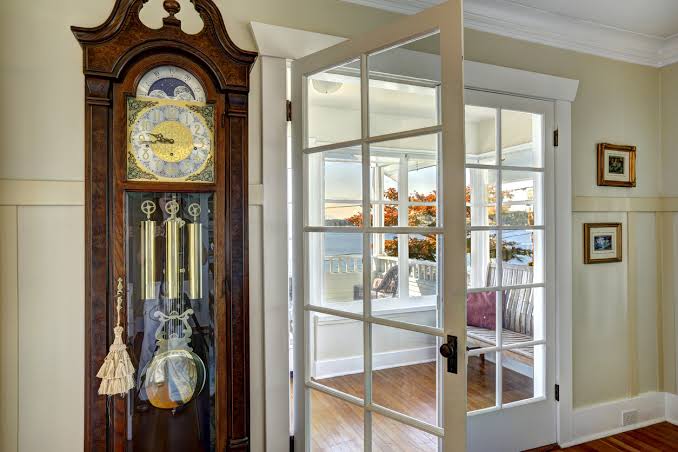

Grandfather clocks are impressive pieces of craftsmanship, but their size can make them deceptively difficult to move. Unlike standard furniture, these clocks contain delicate mechanical components that must remain properly aligned to function correctly. A sudden jolt, an incorrect lifting technique, or improper disassembly can cause significant damage to the movement, pendulum, weights, or wooden case. Even moving a grandfather clock from one room to another can introduce risks if the clock is not prepared correctly. While homeowners may search for grandfather clock moving tips before attempting the job themselves, professional assistance is typically the safest approach for protecting a valuable or sentimental timepiece.
Grandfather Clocks Are More Delicate Than They Look
A grandfather clock may appear solid from the outside, but its internal mechanism contains numerous precision components. The movement relies on gears, cables or chains, weights, a pendulum, and an escapement system working together in careful alignment. Moving the clock while these components are unsecured can cause them to swing, shift, tangle, or strike surrounding parts. Even small changes in alignment can affect how accurately the clock keeps time after it reaches its new location. A professional understands which parts must be removed, secured, or protected before the clock is transported.
The clock’s wooden cabinet also requires careful handling. Antique and high-quality grandfather clocks may feature delicate trim, glass panels, veneers, carvings, and decorative finishes that can easily become scratched or cracked. Lifting the cabinet from the wrong location could place excessive pressure on weaker joints or decorative sections. Doorways, staircases, corners, and uneven flooring increase the possibility of accidental impact during a move. Professional movers who have experience with clocks can plan the route and protect both the mechanism and cabinet throughout the process.
The Pendulum and Weights Must Be Properly Removed
One of the most important steps in moving a grandfather clock involves safely removing the pendulum and weights. These components are heavy and designed to move freely during normal operation, which makes leaving them installed during transportation particularly dangerous. If a weight swings inside the cabinet, it can damage the glass, wooden case, movement, or other internal components. The pendulum can also bend or place stress on its suspension assembly if it is allowed to move during transportation. Professionals carefully remove and package these parts before the clock itself is repositioned.
Weights should also be identified before removal because their positions may matter when the clock is reassembled. Depending on the design, individual weights can have different functions and may not always be interchangeable. A professional can label and organize the components to help ensure that everything returns to its proper location. Pendulums also require careful handling because bending the pendulum rod or damaging its decorative bob can affect both appearance and operation. Good grandfather clock moving tips should always emphasize careful component organization, but knowing the correct procedure requires familiarity with the clock’s design.
Important parts that may require special preparation include:
- Pendulum and pendulum leader
- Clock weights
- Cables or chains
- Chime rods and hammers
- Glass panels and doors
- Removable decorative pieces
- Movement components that require stabilization
Improper Moving Can Damage the Clock Movement
The movement is essentially the mechanical heart of a grandfather clock. It contains precision gears, pivots, bushings, levers, and other components responsible for timekeeping, striking, and chiming. These parts are designed to operate under relatively stable conditions, not endure uncontrolled vibration or impact during transportation. Placing a clock horizontally without proper preparation, dropping it even slightly, or allowing it to bounce during a vehicle ride can disturb the movement. Damage may not become apparent until the clock is reassembled and fails to run correctly.
A clock that worked perfectly before moving might begin losing time, stopping unexpectedly, chiming incorrectly, or producing an uneven ticking sound afterward. These problems can result from changes in alignment or damage sustained during transportation. In some situations, an improperly secured chain or cable can also become tangled around movement components. Repairs may require professional disassembly and adjustment, potentially making an attempted do-it-yourself move significantly more expensive than hiring assistance from the beginning. Protecting the movement is therefore one of the strongest reasons to leave grandfather clock transportation to an experienced professional.
Moving a Grandfather Clock Requires More Than Strength
Because grandfather clocks are tall and heavy, people sometimes assume that moving one simply requires several strong helpers. Weight is only one part of the challenge. The clock’s height and relatively narrow footprint can make it awkward to carry, especially around corners or through doorways. Its weight distribution may also change after the internal components are removed, making careful handling and balance essential. An experienced professional approaches the process as both a mechanical and logistical task.
Before moving begins, the entire transportation route should be evaluated. Stairs, narrow halls, low ceilings, sharp turns, outdoor steps, and slippery surfaces can create additional complications. The destination should also be inspected to ensure the clock can be carried safely into position without unnecessary tilting or maneuvering. Professionals may use protective padding and appropriate moving equipment to reduce the possibility of impact or surface damage. Among the most useful grandfather clock moving tips is recognizing when the environment makes professional help especially important.
Professional assistance becomes particularly valuable when:
- The clock must travel up or down stairs
- The clock is antique or highly valuable
- The cabinet includes extensive glass
- The clock is unusually tall or heavy
- The move involves long-distance transportation
- The clock must pass through narrow spaces
- The owner is unfamiliar with mechanical clock components
The Clock Must Be Leveled and Adjusted After Moving
Getting a grandfather clock safely to its destination is only part of the process. Once it is placed in its new location, the clock must be properly leveled and prepared for operation. Mechanical clocks are sensitive to their positioning, and an uneven floor can affect pendulum movement and escapement operation. Simply placing the clock against a wall and reinstalling the weights may not be enough to restore proper performance. Professionals can evaluate whether the cabinet is stable and whether adjustments are necessary before restarting the clock.
A grandfather clock that is out of beat may tick unevenly or repeatedly stop. Chimes may also need to be checked after transportation to ensure their hammers and rods are properly positioned. Depending on the clock and the distance it traveled, additional adjustments may be necessary after the movement settles into its new environment. Trying to compensate by randomly adjusting the pendulum or bending internal components can create additional issues. Proper setup helps ensure that the clock operates as reliably after the move as it did before transportation.
Frequently Asked Questions About Moving Grandfather Clocks
Can you move a grandfather clock without taking it apart?
Certain components should generally be removed or secured before moving the clock. The pendulum and weights should not be allowed to swing freely during transportation. A professional can determine the appropriate preparation based on the specific clock.
Can you lay a grandfather clock on its back to move it?
Transporting a grandfather clock horizontally can create risks if the mechanism has not been correctly prepared and secured. The safest position may vary according to the clock and transportation method. Professional guidance is recommended before changing the clock’s orientation.
Why should the weights be labeled?
Some grandfather clocks use weights of different sizes for different functions. Labeling them helps ensure that each one is returned to the correct position during reassembly. Incorrect positioning can potentially affect timekeeping or chime operation.
Will a grandfather clock need adjustment after moving?
It often will. Changes in floor level, positioning, or mechanical alignment can affect how the pendulum and escapement operate. A professional can level the cabinet, check the beat, and make necessary adjustments.
How should a grandfather clock be protected during transportation?
The cabinet should be padded and secured, while removable mechanical parts are packaged separately and protected from impact. Glass, decorative trim, and other vulnerable surfaces require special attention. The clock should also be prevented from shifting during transportation.
Can moving a grandfather clock affect its accuracy?
Yes. Changes in leveling, pendulum adjustment, or movement alignment can cause the clock to gain time, lose time, or stop. Proper setup after transportation can help restore accurate operation.
Protect Your Grandfather Clock by Leaving the Move to a Professional
Grandfather clocks combine furniture craftsmanship with precision mechanics, making them very different from ordinary household items. Their delicate pendulums, heavy weights, internal movements, glass panels, and tall cabinets all require careful preparation before transportation begins. One mistake can lead to damaged components, broken glass, cosmetic damage, or a clock that no longer keeps accurate time. Following basic grandfather clock moving tips may help owners understand the process, but online instructions cannot replace the experience required to handle every clock safely. Professional assistance is particularly worthwhile when dealing with antique, valuable, or sentimental timepieces.
A qualified professional can prepare the clock, organize its removable components, protect the cabinet, transport it carefully, and assist with proper setup at its destination. This comprehensive approach helps minimize unnecessary stress on both the movement and the case. It can also reduce the likelihood that you will need repairs immediately after relocating the clock. Considering how difficult some antique clock parts can be to repair or replace, preventing damage is usually preferable to correcting it later. When your grandfather clock needs to be moved, trusting an experienced professional is one of the best ways to protect its craftsmanship, performance, and history for years to come.