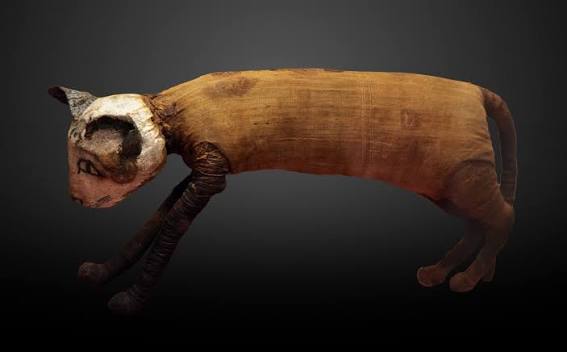

Losing a beloved pet can be one of the most difficult experiences a family faces. Pets often become an important part of daily life, providing companionship, comfort, and memories that can last for years. When a pet passes away, some owners look for meaningful ways to preserve their physical appearance in addition to keeping photographs, paw prints, urns, or other memorial items.
One option that has become increasingly recognized is freeze-dried pet preservation. This specialized preservation method is designed to maintain a pet’s natural appearance while creating a lasting memorial that owners can keep in their homes. Understanding how the process works can help pet owners decide whether it is an appropriate choice for remembering an animal they deeply cared about.
What Is Freeze-Dried Pet Preservation?
Freeze-dried pet preservation is a process that uses extremely low temperatures and controlled moisture removal to preserve a deceased pet. Unlike traditional taxidermy, which commonly involves removing the skin and mounting it over a manufactured form, freeze-drying preserves much more of the animal’s original body.
The goal is to create a memorial that closely resembles the pet’s appearance during life. Depending on the pet, its condition, and the preservation specialist’s methods, details such as fur patterns, facial characteristics, paws, ears, and overall body shape can be maintained.
This preservation option may be used for a variety of companion animals, including:
- Dogs
- Cats
- Rabbits
- Birds
- Hamsters
- Guinea pigs
- Ferrets
- Reptiles
- Other small pets
The exact process may vary depending on the animal’s size, species, anatomy, and condition when preservation begins.
How Does Freeze-Drying Preserve a Pet?
Freeze-drying works by carefully removing moisture from the animal while minimizing changes to its physical structure. Moisture contributes to decomposition, so removing it is essential for long-term preservation.
The scientific process behind freeze-drying is known as sublimation. During sublimation, frozen moisture changes directly from ice into vapor without first becoming liquid. Specialized equipment creates the cold temperatures and vacuum conditions needed for this transformation.
Because the water leaves the body gradually under carefully controlled conditions, tissues can retain much of their original shape. This is one reason freeze-dried preservation may produce a more natural result than preservation methods that require extensive reconstruction.
The Initial Preparation Process
Before freeze-drying begins, the preservation specialist carefully evaluates the pet. The animal’s size, condition, coat, positioning, and physical characteristics can all influence the preservation plan.
The owner may also discuss how they would like their pet positioned. Some owners prefer a sleeping position because it creates a peaceful appearance, while others may request a familiar resting pose that reminds them of how their pet regularly looked at home.
Preparation may involve carefully arranging several areas of the body, including:
- The head and neck
- Legs and paws
- Ears
- Tail
- Facial features
- Body position
- Fur or feathers
Attention during this stage is important because the pet’s position will remain largely permanent after the preservation process is complete.
How the Freeze-Drying Process Works
Once preparation is complete, the pet is placed inside specialized freeze-drying equipment. The animal is frozen at very low temperatures so that the moisture within the tissues becomes solid ice.
A vacuum is then created inside the chamber. Under these conditions, the frozen moisture slowly transitions from ice directly into vapor and is removed from the animal. The process must happen gradually to help preserve the pet’s natural structure.
Freeze-drying is not a quick procedure. Depending on the animal’s size and other factors, preservation can take weeks or several months. Larger pets generally contain more moisture and therefore require more time than smaller animals.
The preservation specialist must monitor the process carefully. Removing too much moisture too quickly could affect the appearance of the finished memorial, while incomplete drying could interfere with long-term preservation.
Why the Process Can Take Several Months
One of the most important things pet owners should understand about freeze-dried preservation is that patience is required. A small animal may be completed more quickly, while a large dog could require a significantly longer preservation period.
The amount of moisture in the pet’s body is one of the biggest factors affecting completion time. Freeze-drying must remove that moisture thoroughly while protecting the body’s overall appearance.
Other factors that may influence the timeline include:
- The animal’s weight
- Body composition
- Species
- Amount of body fat
- Overall condition
- Desired positioning
- Preparation requirements
A reputable preservation specialist should explain that completion times are estimates. The process should not be rushed simply to meet a specific deadline.
How Is Freeze-Drying Different From Traditional Taxidermy?
Traditional taxidermy and freeze-dried preservation both create lasting animal displays, but their methods are very different. Traditional taxidermy generally involves removing and preserving the animal’s skin before fitting it over an artificial form.
Freeze-drying, in contrast, preserves much more of the pet’s original physical structure. Because the original body is retained, many pet owners feel that freeze-drying can produce an appearance that more closely resembles their companion.
Another difference involves reconstruction. Taxidermy relies heavily on recreating the animal’s shape using forms, sculpting techniques, and anatomical reference materials. Freeze-drying relies more heavily on preserving what is already present.
Neither method is automatically the right choice for every situation. Pet owners should consider their personal preferences, desired appearance, available preservation services, budget, and comfort level before deciding.
What Happens After Freeze-Drying Is Complete?
Once moisture has been sufficiently removed, additional finishing work may be performed. The preservation specialist can carefully adjust or groom the coat and make minor cosmetic improvements when appropriate.
Facial areas often require particular attention because they strongly influence whether the finished memorial resembles the pet. Specialists may work on the eyes, nose, mouth, ears, or surrounding fur to create a natural and peaceful appearance.
The finished pet may then be returned to the owner with care instructions. Following these instructions is important for protecting the preserved animal over time.
How Should a Freeze-Dried Pet Be Cared For?
A freeze-dried pet should typically be kept indoors in a stable environment. Excessive humidity, moisture, direct sunlight, heat, pests, and rough handling may damage the preserved animal.
Owners may be advised to display the pet in a protected location away from windows, kitchens, bathrooms, open doors, or other areas where environmental conditions frequently change. A display case may provide additional protection from dust and accidental contact.
Basic care may include:
- Keeping the pet in a dry environment
- Avoiding direct sunlight
- Preventing exposure to excessive humidity
- Handling the preserved pet as little as possible
- Keeping it away from insects and household pests
- Protecting it from children or other pets
- Removing surface dust carefully when necessary
Always follow the specific care instructions provided by the preservation professional, as techniques and recommendations can vary.
Why Do Pet Owners Choose Freeze-Dried Preservation?
Every person experiences the loss of a pet differently. Some owners are comfortable with cremation or burial, while others prefer having a physical memorial that retains their pet’s familiar appearance.
Freeze-dried preservation may provide comfort because it allows owners to keep a recognizable representation of their companion nearby. Seeing familiar fur markings, ears, paws, or resting positions may bring back positive memories associated with the animal’s life.
For some families, preservation also becomes part of a larger memorial. The preserved pet might be displayed alongside photographs, collars, favorite toys, identification tags, paw prints, or other meaningful belongings.
Choosing preservation is highly personal. There is no single correct way to memorialize a pet, and owners should choose whichever option feels most appropriate for their emotional needs and circumstances.
Frequently Asked Questions About Freeze-Dried Pet Preservation
How long does freeze-dried pet preservation take?
The process can take several weeks or several months. Larger animals typically require longer because more moisture must be removed from their bodies.
Can dogs and cats be freeze-dried?
Yes. Dogs and cats are commonly preserved using freeze-drying techniques, although the time and preparation requirements depend heavily on the animal’s size and condition.
Does a freeze-dried pet look exactly the same as it did alive?
The goal is to preserve the pet’s natural appearance as closely as possible. However, some changes in appearance can occur because preservation takes place after death, and biological tissues naturally change.
Is freeze-drying the same as taxidermy?
No. Traditional taxidermy generally preserves an animal’s skin and places it over an artificial form. Freeze-drying preserves considerably more of the original animal.
How long can a freeze-dried pet last?
Properly preserved animals may remain in good condition for many years when stored correctly. Humidity, sunlight, insects, moisture, and excessive handling can shorten the lifespan of the preservation.
Can owners choose their pet’s position?
In many cases, yes. Owners may be able to request a sleeping, resting, sitting, or other familiar position depending on the pet’s condition and the preservation specialist’s capabilities.
Should a pet be frozen before preservation?
Preservation specialists generally provide specific instructions regarding transportation and temporary storage after a pet passes away. Owners should contact their chosen provider as quickly as possible so the animal can be handled correctly before preservation begins.
Is freeze-dried preservation suitable for every pet?
Not necessarily. The animal’s condition, size, species, cause of death, previous storage conditions, and other factors may affect whether preservation is possible. A professional evaluation is usually required.
Choosing a Freeze-Dried Pet Preservation Specialist
Choosing the right professional is an important part of creating a meaningful memorial. Freeze-drying requires specialized equipment, knowledge of animal anatomy, careful preparation, and experience managing the long preservation process.
Before selecting a provider, ask questions about their experience, preservation methods, expected timeline, pet transportation requirements, care instructions, and finished results. Reviewing photographs of previous work can also help you understand the provider’s style and level of detail.
Clear communication is especially important when discussing positioning and appearance. Providing photographs of your pet while it was alive can help the specialist understand important characteristics such as facial expression, ear position, coat appearance, posture, and familiar resting habits.
Creating a Lasting Memorial for a Beloved Companion
The loss of a pet can leave an enormous absence in a household. Choosing how to remember that companion is deeply personal, and families may find comfort through many different types of memorials.
Freeze-dried pet preservation offers a distinctive option for owners who want to retain their pet’s recognizable physical appearance. Through careful preparation, freezing, controlled moisture removal, and detailed finishing work, the process can create a lasting memorial designed to preserve many of the characteristics that made a pet familiar.
For owners considering this option, learning about the preservation process and speaking with an experienced specialist can make the decision easier. With proper preparation and long-term care, a freeze-dried pet can become a meaningful reminder of the companionship, personality, and memories shared throughout the animal’s life.