Lighting has always played a central role in how we experience an event. Whether it is a wedding reception, a corporate gathering or a full scale concert, the right lighting can turn an ordinary space into an unforgettable atmosphere.
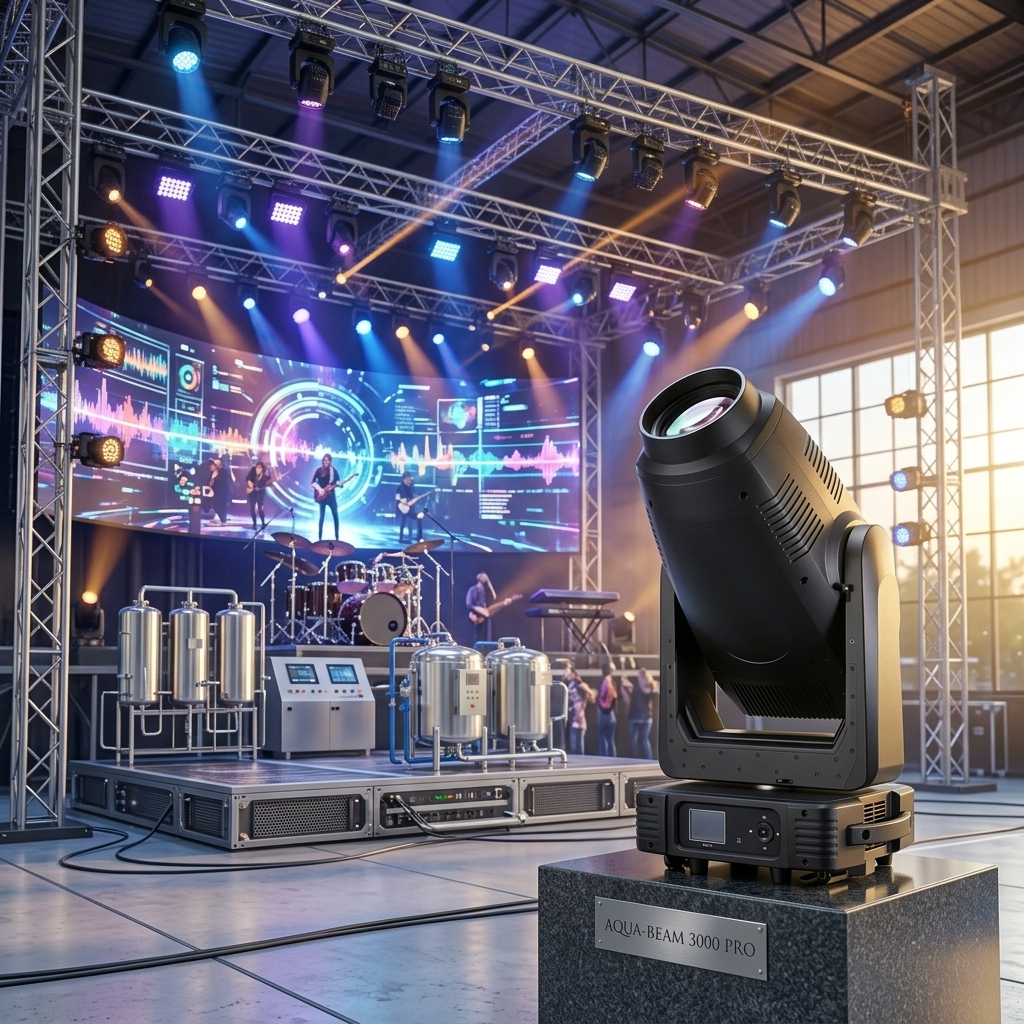
Colors, movement and intensity work together to guide the mood of the crowd, highlight key moments and create a visual story that complements the music and the occasion. As the entertainment industry continues to evolve, event planners, DJs and venue owners are turning to advanced lighting solutions that offer flexibility, precision and dramatic effect.
Understanding the Role of Lighting in Parties, Weddings and Entertainment
Every successful event begins with a plan, and lighting is often one of the most overlooked yet essential elements of that plan. A dim, static setup can leave a room feeling flat, while a well designed lighting scheme can make a modest venue feel grand and immersive.
This is where moving head stage lighting with big head fixtures has become a favorite among professionals, since these units combine strong output, wide beam angles and smooth rotation to cover large areas with ease.
Unlike traditional fixed lights, they can pan, tilt and change colors in real time, allowing operators to sync the visuals with the rhythm of the music or the flow of the program. For weddings, this might mean a soft wash of warm tones during the ceremony followed by vibrant, fast moving beams once the dance floor opens. For parties and club style entertainment, it means constant visual energy that keeps guests engaged throughout the night.
Why Moving Head Lights Are a Game Changer
Moving head fixtures are named for their design, which includes a base, a yoke and a head that can rotate independently. This construction allows the light to point in almost any direction without requiring the entire unit to be repositioned. Big head models, in particular, house larger lenses and more powerful lamps or LED arrays, which translates into brighter output and sharper beam definition, even in large halls or outdoor venues.
There are several reasons professionals prefer these fixtures over simpler alternatives. First, they offer far greater control, since operators can program specific movement patterns, color changes and gobo effects that repeat automatically or respond to a live cue. Second, they are versatile enough to suit many event types, from intimate dinners that need gentle color washes to large festivals that require sweeping beams and strobe effects. Third, modern units are increasingly energy efficient, with LED based systems replacing older lamp technology, reducing both power consumption and heat output while maintaining strong brightness levels.
Choosing the Right Lighting Setup for Your Event
Selecting the correct lighting equipment depends on several factors, including venue size, budget, the type of event and the desired atmosphere. A small indoor wedding may only need a handful of compact moving heads paired with uplighting around the room, while a large outdoor festival stage might require dozens of high output units combined with haze machines to make the beams visible in open air.
Budget is naturally a consideration, but it should be weighed against the value that good lighting brings to guest experience. Renting equipment can be a practical option for one time events, while venues that host regular functions often find it more cost effective to invest in their own fixtures over time. It is also worth considering ease of setup, since some systems require professional programming while others come with simplified presets that can be operated by less experienced staff.
For those looking to explore a wide range of options, from compact units suited to small venues to powerful big head fixtures designed for major productions, more details pls visit https://www.xmlitelighting.com, where a variety of stage and event lighting solutions are available for different needs and budgets.
Tips for Effective Lighting Design
Even the best equipment will fall short without thoughtful design. Here are a few practical tips that event planners and technicians often follow.
Start with a clear concept. Decide on the mood you want to create before choosing colors and effects. Soft pastel tones tend to suit romantic settings, while bold primary colors and fast movement work well for high energy parties.
Layer your lighting. Combining ambient wash lighting with moving head accents creates depth, rather than relying on a single type of fixture to do everything.
Sync with the sound. Many modern controllers allow lighting to respond to music automatically, which can add excitement during peak moments such as the first dance or a DJ drop.
Consider the venue’s architecture. Ceiling height, wall color and the presence of reflective surfaces all affect how light behaves in a space, so it helps to do a walkthrough or test run before the actual event.
Do not overdo it. While dramatic effects are appealing, excessive strobing or overly bright output can be uncomfortable for guests, so balance is important, especially in smaller rooms.
Plan for backup. Having a spare fixture or a simple lighting fallback can save an event if a unit malfunctions during the program.
Conclusion
Lighting is far more than a technical detail, it is an essential part of how people experience an event. From weddings to parties to large scale entertainment productions, the right combination of color, movement and intensity can transform a space and elevate the atmosphere for every guest. Moving head stage lighting with big head fixtures continues to stand out as a preferred choice for professionals who need reliable brightness, flexible control and dynamic movement in a single unit.
By understanding your venue, planning your design thoughtfully and choosing equipment suited to your event’s scale, you can create a lighting experience that leaves a lasting impression long after the night is over.