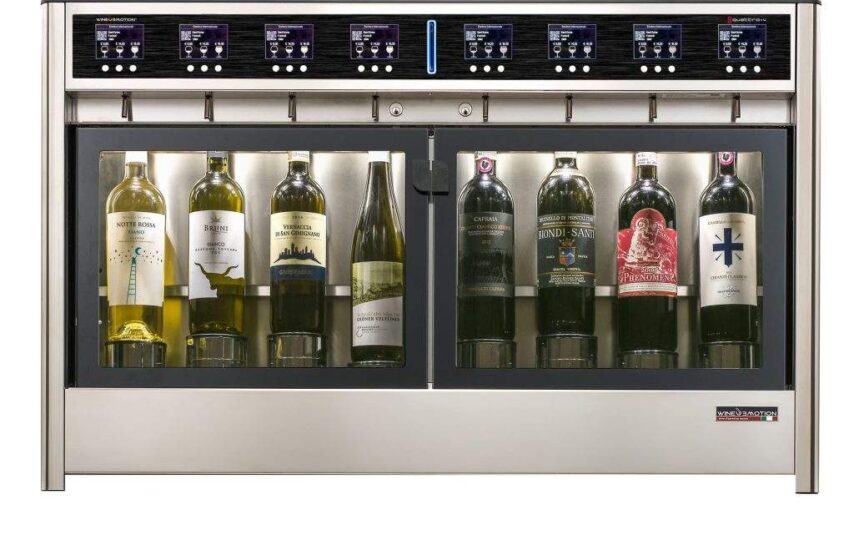

A commercial wine dispenser can be a valuable investment for restaurants, wine bars, hotels, tasting rooms, country clubs, and other hospitality businesses that serve wine by the glass. These systems help control portions, preserve opened bottles, maintain proper serving temperatures, and create a more consistent experience for customers. However, the cost can vary considerably depending on the type of system, capacity, preservation technology, and level of automation.
When researching the wine dispenser commercial price, businesses may encounter everything from relatively simple wine-on-tap equipment to sophisticated self-service machines capable of handling multiple bottles. Current commercial equipment listings show wine dispensing solutions ranging from roughly $1,200 for basic wine kegerators to $7,000 or more for advanced multi-bottle systems. Understanding what contributes to that price can help businesses make a more informed investment.
What Is the Average Cost of a Commercial Wine Dispenser?
There is no single price that applies to every commercial wine dispenser. The equipment is available in numerous configurations, and pricing depends heavily on what the business expects the dispenser to accomplish.
As a general guideline, commercial buyers may encounter these price levels:
- Basic wine-on-tap dispensers: Approximately $1,200 to $3,000
- Mid-range commercial dispensing systems: Approximately $3,000 to $5,000
- Premium bottle preservation and dispensing systems: Approximately $5,000 to $7,000+
- Large self-service or customized installations: Potentially $10,000 or more when multiple units, software, cabinetry, installation, and related equipment are included
For example, current commercial wine kegerators range from approximately $1,269 for a basic single-tap model to more than $7,000 for larger multi-tap systems. Meanwhile, one current authorized dealer lists the four-bottle Napa Technology WineStation Pristine Plus at approximately $5,500.
These figures should be viewed as general benchmarks rather than guaranteed prices. Manufacturers may offer different configurations, commercial quotes, financing arrangements, accessories, or customized installations.
What Factors Affect Commercial Wine Dispenser Prices?
Understanding the features behind the price tag is important when comparing systems. The lowest-priced machine is not necessarily the most economical choice if it lacks the preservation, capacity, or portion-control capabilities a business needs.
Bottle Capacity
One of the biggest considerations is how many wines the dispenser can accommodate simultaneously. A business serving only a few wines by the glass may need a compact two- or four-bottle unit, while a wine bar offering extensive tasting options could require multiple eight-bottle machines.
Increasing capacity generally raises equipment costs. It can also increase the physical space, cooling capacity, and installation requirements of the system.
Wine Preservation Technology
Commercial wine dispensers may use inert gases such as argon to reduce oxidation after bottles are opened. Preservation can be especially important when a restaurant wants to offer expensive wines by the glass without worrying about selling an entire bottle immediately.
Premium systems can preserve opened wines significantly longer than simply recorking and refrigerating them. WineEmotion, for example, states that its commercial systems use argon preservation designed to maintain wine quality for more than 30 days. Better preservation technology generally contributes to a higher initial purchase price but may reduce wine waste.
Temperature Control
Temperature management can also influence cost. Some basic dispensers offer one refrigerated compartment, while more sophisticated systems provide multiple independently controlled temperature zones.
Dual-zone systems can be useful when serving both reds and whites. Advanced bottle-based machines may provide even more precise temperature management, allowing different wines to remain close to their intended serving temperatures.
Portion Control
Automated portion control is one of the major advantages of commercial wine dispensing equipment. Rather than relying on employees to estimate every pour, programmable machines can consistently dispense predetermined quantities.
Depending on the machine, operators may be able to program:
- Tasting portions
- Half-glass servings
- Standard glasses
- Premium wine pours
- Custom serving quantities
Consistent portions can simplify inventory management and help businesses maintain predictable margins on wine-by-the-glass sales.
Self-Service Systems Can Cost More
A traditional dispenser operated by employees is different from a complete self-service wine installation. Self-service systems may incorporate wine cards, customer identification procedures, point-of-sale integrations, management software, and multiple connected dispensing units.
WineEmotion’s commercial Quattro Pro, for example, is designed as a four-bottle commercial dispenser that can support self-service installations and offers programmable pour sizes. Its larger Otto Pro holds eight bottles and can work with software and POS integrations for customized wine walls and wine islands. Pricing for these commercial configurations is available by quotation rather than being publicly listed.
Because of these additional capabilities, buyers considering self-service should evaluate the entire installation rather than the dispenser alone. Hardware, software, furniture, electrical work, networking, payment systems, and installation may all affect the final project cost.
Do Commercial Wine Dispensers Have Ongoing Costs?
The purchase price is only one component of the total cost of ownership. Depending on the system, a business may need to budget for consumables, maintenance, replacement components, and optional software.
Common ongoing expenses can include:
- Argon or another preservation gas
- Replacement dispensing components
- Cleaning products
- Preventive maintenance
- Replacement parts
- Software subscriptions
- Technical support plans
- Electricity
- Periodic professional servicing
These costs vary considerably between manufacturers. One current WineStation pricing guide, for example, estimates replacement argon canisters at approximately $40 to $60 and lists optional software support at $120 per year for applicable systems. Businesses should request a detailed estimate of recurring expenses before purchasing equipment.
Can a Wine Dispenser Reduce Wine Waste?
Reducing waste is one of the strongest arguments for investing in a commercial dispensing and preservation system. Once a conventional bottle is opened, exposure to oxygen begins affecting its flavor and aroma, which can make slower-selling premium wines difficult to offer profitably by the glass.
A preservation system provides considerably more flexibility. Instead of limiting the menu to wines that management knows will sell quickly, a restaurant may be able to introduce higher-value bottles and tasting opportunities without assuming the same risk of spoilage.
Accurate portions can also help control losses caused by over-pouring. Even a small amount of excess wine in every glass can become a meaningful expense when multiplied across hundreds or thousands of servings.
Is a More Expensive Commercial Wine Dispenser Worth It?
The answer depends on the business. A casual restaurant with a small wine program probably does not need the same equipment as a sophisticated wine bar offering premium vintages by the ounce.
Instead of considering price alone, calculate how the machine could affect operations. Consider current wine waste, average bottle value, wine-by-the-glass volume, labor requirements, serving consistency, and opportunities to expand the wine menu.
A higher-priced system could make financial sense if it allows the business to sell profitable premium pours that would otherwise be impractical. Conversely, businesses with low wine volume may find that a simpler system provides everything they need without unnecessary features.
FAQ About Commercial Wine Dispenser Costs
How much is a commercial wine dispenser?
Commercial wine dispensing equipment can range from approximately $1,200 for simpler wine-on-tap units to $5,000 to $7,000 or more for advanced commercial preservation and dispensing equipment. Large customized and self-service installations may cost considerably more.
What is included in the price of a wine dispenser?
It depends on the manufacturer. A standard package may include the dispensing machine and essential operating components, while gas cylinders, software, installation, additional accessories, or cabinetry may cost extra.
Do commercial wine dispensers require argon?
Many bottle preservation systems use argon or another inert gas to protect opened wine from oxidation. However, requirements depend on the equipment, so businesses should review the manufacturer’s operating specifications.
How many bottles can a commercial wine dispenser hold?
Commercial bottle-based dispensers commonly accommodate anywhere from two to eight bottles per unit. Larger wine programs can combine multiple units to substantially increase capacity.
How long does wine stay fresh in a commercial dispenser?
It depends on the preservation system and the wine. Some commercial manufacturers advertise preservation periods exceeding 30 days, while particular systems claim even longer preservation under proper operating conditions.
Are commercial wine dispensers only for restaurants?
No. Wine dispensers can be used in restaurants, bars, hotels, tasting rooms, wineries, clubs, retail environments, and other hospitality or beverage-service settings.
Can a commercial wine dispenser pay for itself?
Potentially. The return depends on wine volume, bottle costs, waste reduction, portion accuracy, margins, and whether the equipment helps generate additional premium wine sales.
Look Beyond the Initial Wine Dispenser Commercial Price
Determining whether a commercial wine dispenser is affordable requires looking beyond the equipment’s sticker price. A $5,000 machine may initially seem expensive, but its value can look different when reduced spoilage, controlled portions, improved inventory management, and additional premium wine sales are taken into account.
Businesses should begin by evaluating their wine program and identifying exactly what they need from a dispensing system. Capacity, preservation time, temperature zones, self-service functionality, POS integration, installation requirements, maintenance, and ongoing consumables should all be considered before choosing a machine.
Ultimately, the right commercial wine dispenser is not necessarily the cheapest or most technologically advanced option. It is the system that fits the establishment’s sales volume, wine selection, customer experience, and financial goals while helping the business serve every glass with greater consistency and control.