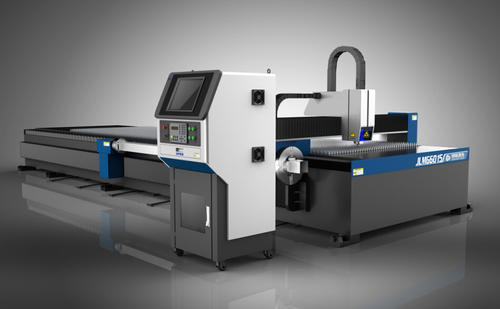

Step into an electrical manufacturing facility and you’ll see something clear right away: precision is everything. Whether it’s switchgear, control panels or power distribution systems even the smallest error in manufacturing can cause issues later. That’s why CNC machines have become a part of the industry.
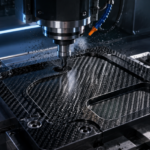
CNC stands for computer numerical control. These machines allow manufacturers to cut, drill, punch, bend and shape materials with accuracy. Of depending on hand measurements and repeated manual work manufacturers can program the machines to do the same task over and over again with exact results.
In manufacturing that consistency makes a real difference.
Why CNC Technology Matters in Electrical Manufacturing
Equipment often includes parts that must fit together perfectly. Busbars are an example. These are metal bars that carry current inside switchboards, panels and other systems.
If a busbar is not cut straight drilled in the place or bent too much it can cause problems during installation. It can also lead to wasted material and extra labor.
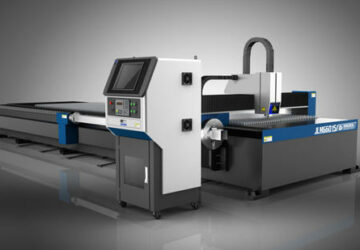
With modern CNC busbar processing, manufacturers can automate many of these operations while maintaining accurate dimensions. The result? Faster production and fewer avoidable mistakes.
CNC machines are also useful because electrical manufacturers often work with product designs. A single machine can be quickly reprogrammed for a part without needing to change the whole setup. That means downtime and more flexibility.
Key Benefits of CNC Machines
There are reasons why manufacturers are choosing CNC equipment:
- Greater precision – The machine follows digital instructions exactly so every part is made the same.
- Faster production – Tasks like cutting and drilling happen quicker than by hand.
- Lower material waste – Fewer errors mean scrap and rework.
- Repeatable results – The same program can be used again and again in large production runs.
- Better worker safety – Automating tasks reduces the need for workers to handle dangerous equipment.
- Flexible production – Just change the program to make a part without redoing the whole setup.
Speed is important. It’s not the only thing. A machine that goes fast but makes inaccurate parts isn’t helpful. CNC technology gives manufacturers both speed and accuracy which’s why it’s so common in modern factories.
CNC Busbar Processing: A Practical Example
Before CNC making busbars involved a lot of work. Workers would measure the bars mark them by hand cut them drill holes and bend them. For jobs this could work.. When production volume goes up keeping everything consistent becomes much harder.
Modern CNC busbar machines can handle multiple fabrication operations with computer-controlled accuracy. Depending on the machine and configuration, manufacturers may be able to cut busbars to length, create holes, perform bending operations, and prepare components for assembly.
Here’s a simple look at how the approach compares:
| Manufacturing Factor | Traditional Manual Process | CNC-Based Process |
| Measurement | Mostly manual | Program-controlled |
| Repeatability | Depends on operator | Highly consistent |
| Production speed | Generally slower | Generally faster |
| Repetitive work | Labor intensive | Highly automated |
| Design changes | May require setup changes | Often handled through programming |
| Material waste | Can be higher | Can be reduced with accurate processing |
Even with CNC machines skilled workers are still needed. Someone has to design the parts pick the tools set up the machine and check the finished products. The machines take over the tasks freeing up workers to focus on more important jobs.
Improving Productivity Without Sacrificing Quality
One of the challenges in electrical manufacturing is balancing speed with quality. Customers want their products on time. They also expect them to work reliably.
CNC machines help manufacturers meet both goals. Once a program is made and tested the same process can be used repeatedly. This is especially useful when making batches of the same electrical component.
There’s another benefit that doesn’t get attention: consistency between batches. If a company makes the type of control panel today or in six months the CNC program can ensure it matches the original design exactly. That level of consistency builds trust with customers.
Supporting Modern Electrical Design
Electrical systems today are more advanced than ever. Equipment needs to be smaller, more efficient and capable of handling loads. That means manufacturers must make parts with tolerances.
CNC machines fit into this world. They work well with design tools. A part can be designed in a computer turned into machine instructions and then made with little manual work.
This connection between design and production shortens the time it takes to bring a product to market. It also makes it easier to build custom parts for customers who need something
The Human Side of CNC Manufacturing
It’s easy to think that CNC machines are replacing workers.. That’s not really true. What’s happening is that the jobs are changing.
Operators spend time measuring and cutting and more time watching the machines making sure everything runs smoothly maintaining equipment and solving unexpected problems. Skilled technicians are more important, than ever because they understand how the machines work and how to fix them when they don’t.
When automation handles the repetitive parts the work environment becomes less tiring and more manageable. That helps keep the workforce healthy and focused.
Looking Ahead
CNC technology will keep growing as electrical manufacturing becomes more automated and connected. Better software smarter controls, improved tooling and advanced production systems are making CNC machines even more powerful.
For manufacturers the goal isn’t to buy the expensive machine. It’s to choose the technology for their needs—what materials they use what products they make and how much they need to produce.
In an industry where precision, efficiency and reliability’re all important CNC machining offers a practical way to improve all three. It might not be the exciting part of electrical manufacturing.. Behind many reliable electrical products you’ll often find the quiet work of CNC machines making a difference.manufacturing — but behind many reliable electrical products, there’s a good chance precise CNC work played a part.