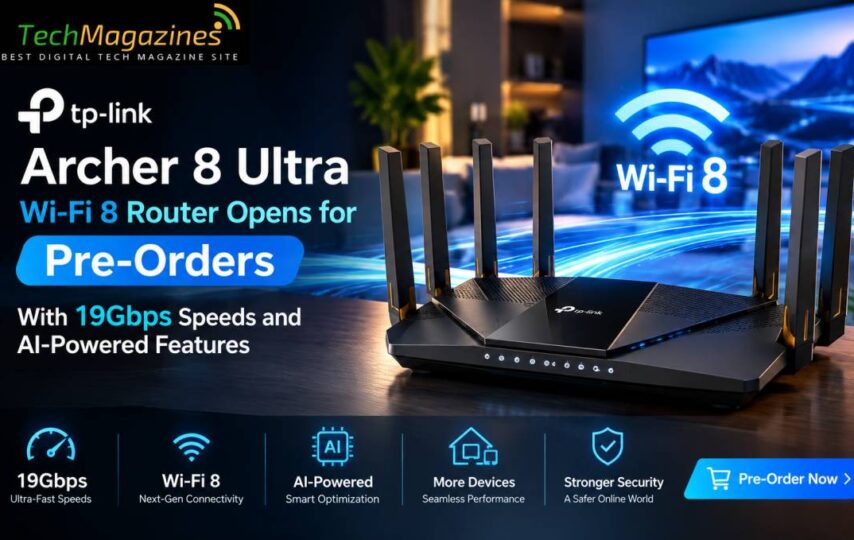

TP-Link is ready to launch its first Wi-Fi 8 router in the consumer market, and the Archer 8 Ultra is currently on pre-order. The company’s new flagship networking device is powered by Broadcom’s Wi-Fi 8 chipset and features a new system called StabilityEngine. According to TP-Link, this technology aims to keep the wireless performance from dropping off as users move away from the router or when network interference occurs.
The advantages it promises over Wi-Fi 7 are up to a 33% faster throughput at medium and greater distances, and up to a 24% more stable performance in the presence of interference. The tri-band router’s total capacity is 19Gbps and it also features AI-powered network management and integrated security capabilities.
From September 30, 2026, TP-Link will start accepting registrations for the availability information in the UK, Germany, and Australia. The introduction of Wi-Fi 8 is also a sign of a shift in the kind of things manufacturers are aiming to enhance. The IEEE 802.11bn standard has traditionally focused on the speed of the wireless standard, but this standard emphasizes maintaining connections in challenging real-world environments.
Wi-Fi 8 Technology Promises More Reliable Connections and Fewer Dropouts
StabilityEngine is designed to be used throughout the wireless network of the router, assisting it to cope with crowded networks, extend coverage and reduce interference.
The technology combines a number of newer wireless technologies designed to make performance more predictable. To the user, the real intention is simple: a connection that will reliably operate rather than one that will give great speeds only under the best of circumstances.
TP-Link plans to add more features to the Archer 8 Ultra as Wi-Fi 8 develops. At launch, UEQM, the new MCS, NPCA, and Dynamic Sub-band Operation will focus on keeping speeds stable. TP-Link says these technologies can deliver up to 33% more consistent throughput at medium and long distances. They can also provide up to 24% more consistent throughput than Wi-Fi 7 when interference becomes heavy.
The router will not stop there. TP-Link will use over-the-air firmware updates to add support for further Wi-Fi 8 features as the standard matures. ELR and DRU will later help improve coverage in areas where the signal is weakest. Co-TDMA, Co-SR, and Co-BF will address another problem. They will help coordinate networks that rely on several access points instead of one.
TP-Link Archer 8 Ultra Pre-Orders, Launch Markets and Availability
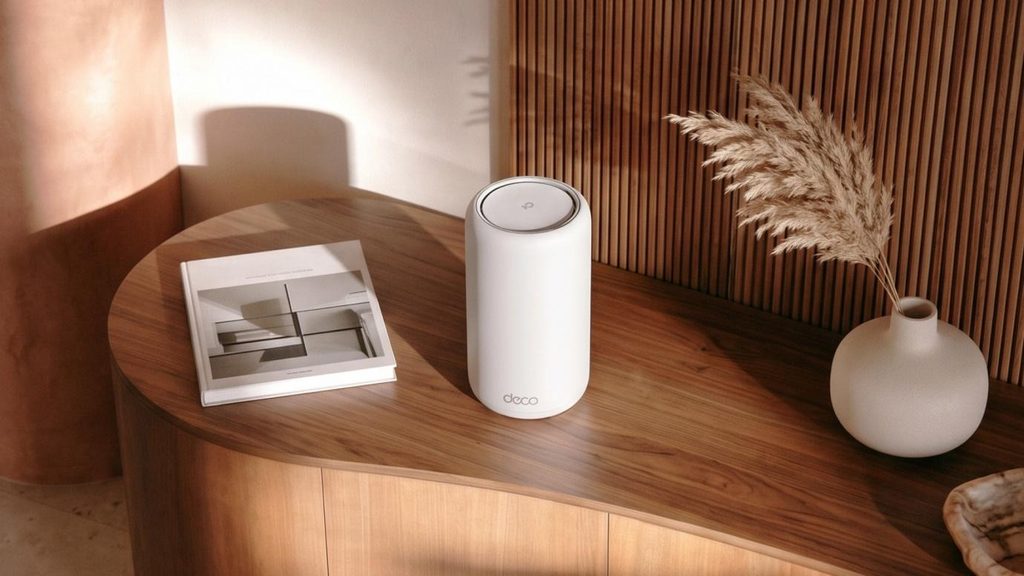
The Archer 8 Ultra will enter the pre-order phase on September 30, 2026. TP-Link will initially offer it in the United Kingdom, Germany, Australia, and certain other international markets. The company will list prices separately on its regional websites. It will expand availability later. TP-Link also plans to introduce the Deco 8 Ultra mesh system as part of the wider rollout.
Archer 8 Ultra Hardware, 19Gbps Capacity and Multi-Floor Coverage
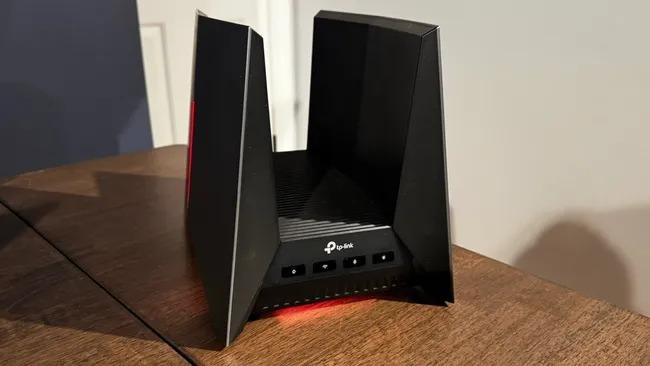
Broadcom supplies the main Wi-Fi 8 chipset inside the Archer 8 Ultra. The hardware follows the IEEE 802.11bn standard. TP-Link has combined that platform with its own hardware and software work, developed by the company’s U.S.-based design team.
The router can deliver up to 19Gbps across its three Wi-Fi 8 bands. TP-Link says it should also keep latency lower and performance steadier than Wi-Fi 7 at similar ranges. There are two 10Gbps WAN/LAN ports with automatic sensing. They can handle multi-gigabit internet connections without forcing users to choose between WAN and LAN duties in advance. Four additional 2.5Gbps LAN ports provide wired links for machines that need more bandwidth, including gaming PCs and consoles.
TP-Link has designed the Archer 8 Ultra to serve homes with many devices and more than one floor. The router contains 18 internal antennas and can cover up to 3,600 square feet, according to the company. It can also support as many as 200 connected devices.
The router does not use the same coverage pattern in every home. Its Multi-Floor Mode adjusts the signal according to where clients are located. Devices spread across different floors prompt the system to direct coverage vertically. When most devices remain on one level, it can spread the signal across that floor instead.
Range Boost tackles another weakness. The Archer 8 Ultra uses a new Wi-Fi 8 RF chip that improves its ability to detect weak signals from distant devices. This can help where the router hears the device poorly and the uplink becomes the limiting factor. The result should be a more useful connection near the outer edge of the router’s coverage.
AI-Powered Network Management and Built-In Security Features
The Tether app now includes TP-Link’s Aireal AI Assistant. Users can describe a problem in normal language and ask the assistant to investigate it. They can also use it to change network settings without searching through the app for the right controls.
Several other functions work without much user involvement. Wi-Fi Optimizer checks the available channels and looks for cleaner ones. Self-Healing deals with common connection problems. QoS decides which traffic needs priority when several devices compete for bandwidth. ECO Mode handles power use instead. During quieter periods, it reduces the router’s energy consumption.
The Archer 8 Ultra is designed to make network access simpler for both owners and guests. Setup can begin with an NFC-enabled phone. A tap on the router starts the pairing process through TP-Link’s Tether app. Visitors can use NFC as well. They can join the network without being given the Wi-Fi password. The app then provides a single place to watch network activity, manage parental controls, and set additional security rules.
TP-Link has built VPN support into the router itself. Users can route traffic from chosen devices through an encrypted VPN connection. The system also works with major third-party VPN services. The router keeps IoT devices and guest connections separate from the main network. This creates a barrier between smart-home equipment and a user’s primary devices. For broader protection, users can turn on HomeShield. The service adds real-time protection against threats, stronger parental controls, and WPA3 authentication.
Final Words
TP-Link’s Archer 8 Ultra is making a point of a future where Wi-Fi isn’t measured by the headline-grabbing speeds but by consistent performance instead. It’s the first Wi-Fi 8 router to address common pain points, such as dead zones, network congestion, and interference that makes video calls into a pantomime.
Some of the features include StabilityEngine, AI-based management and adaptive coverage, indicating the company’s desire to make reliable connectivity less of a guess. But the true challenge will start when the router gets to homes with walls, competing signals and dozens of connected devices.
TP-Link has said that it has enhanced throughput and stability, but real-world performance will be the deciding factor on whether Wi-Fi 8 lives up to its promise. TP-Link is preparing for the next chapter in networking with the launch of its pre-orders on September 30.