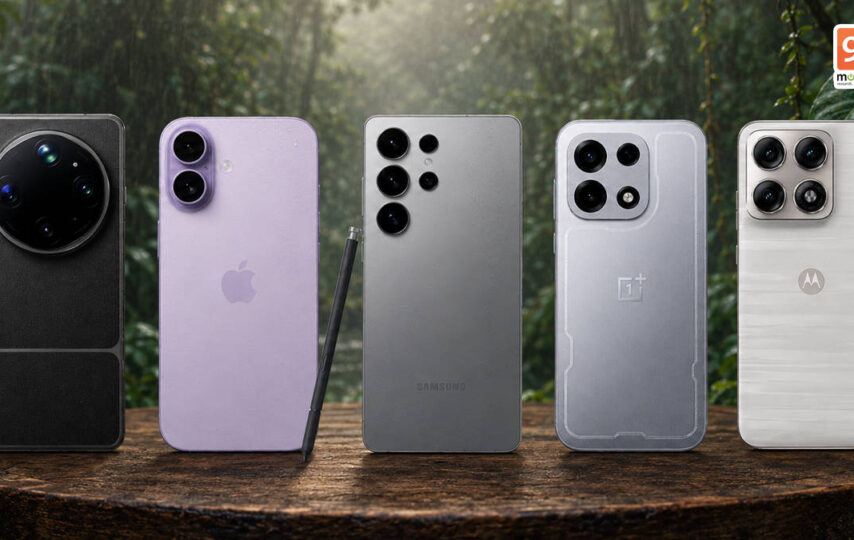

Your phone is probably the most-used device you own, and it spends much of its life being dropped, pocketed with keys, and tossed onto car seats. For US consumers, that daily wear has turned tech accessories into a serious category rather than an afterthought. High-end phones now cost well over a thousand dollars, and a cracked screen or scuffed frame can quietly erase hundreds of dollars in resale value.
The challenge is that the accessory market has become crowded. Cases, screen protectors, MagSafe chargers, and wallets all promise protection, but quality varies widely. Knowing what to look for, and which names deserve your trust, saves money and frustration. This guide explains how protection, magnetic charging, and everyday habits fit together, so you can make confident choices for your device in 2026 and beyond.
Why Phone Protection Matters More Than Ever
Modern smartphones are built from glass and aluminum, which look great but offer limited protection against drops. A single fall onto concrete can crack a back panel or bend a frame, and repair costs often run into the hundreds. A good case is one of the cheapest forms of insurance you can buy.
Choosing one is not just about thickness, though. Raised edges protect the screen and camera, textured grips reduce slips, and precise cutouts keep buttons responsive. It also helps to compare the most respected phone case brands, since established names tend to use better materials and test their designs more carefully than anonymous listings. Brands such as aulumu focus on pairing slim profiles with real impact resistance, which matters if you do not want a bulky phone.
Finally, consider how you live. A commuter who drops a phone on train platforms needs different protection than someone who mostly works at a desk. Matching the case to your routine is the smartest first step.
Screen Protectors: The Small Layer That Saves Big
The display is the most expensive part of most phones to replace, which makes a tempered glass protector one of the best-value accessories available. It absorbs impact and scratches so the screen underneath stays intact. Many people are surprised by how often the protector, not the screen, takes the hit.
When that happens, there is no need to panic. If you are wondering how to fix broken screen protector damage, the answer is usually simple: peel off the cracked layer carefully, clean the display with a microfiber cloth, and apply a fresh protector using an alignment frame. Replacing a protector costs a fraction of a screen repair, which is exactly why it exists.
When shopping, look for a 9H hardness rating, an oleophobic coating that resists fingerprints, and bubble-free adhesive. Cheap protectors often yellow or peel at the edges, so quality matters here as much as it does with cases.
MagSafe Accessories and the Rise of Magnetic Convenience
MagSafe has changed how people use their phones. What began as a charging feature is now a full ecosystem of wallets, stands, car mounts, and power banks that snap on magnetically. The appeal is simple: less cable clutter and faster setup, whether at a desk, in the car, or on the couch.
Not every magnetic accessory performs equally, however. A case with weak or poorly aligned magnets can make charging inefficient and cause wallets or mounts to slip. Look for cases that are explicitly MagSafe-compatible, with a strong magnet ring built into the design rather than a thin sticker added afterward.
It also pays to think about thickness. A bulky case can weaken the magnetic connection, while a slim, well-engineered one keeps charging smooth and attachments secure. As wireless charging becomes the default for more households, magnetic compatibility is quickly becoming a baseline expectation rather than a premium extra.
Smart Buying Habits for Long-Lasting Gear
The best accessory purchase is the one you only make once. Before buying, read verified customer reviews, check material details, and confirm compatibility with your exact phone model. Small differences in camera cutouts or button placement can make a case frustrating to use every day.
Pay attention to materials as well. Durable TPU blends, reinforced corners, and scratch-resistant coatings tend to hold up longer than flimsy plastics. Some newer products also use recycled or plant-based materials, which appeals to shoppers who want protection without extra waste.
Finally, treat accessories as a system. A case, a screen protector, and a magnetic charger should work together instead of competing for space and function. Replace worn items promptly, because a case that has lost its grip or a protector with cracks offers far less protection than it appears to. A little maintenance goes a long way toward keeping your phone looking and performing like new.
Conclusion
Protecting a smartphone does not have to be complicated. A well-chosen case guards against drops, a quality screen protector shields the display, and MagSafe-compatible accessories add everyday convenience. Together, they extend your phone’s life and help preserve its value when it is time to upgrade.
The key is to buy with intention. Favor trusted manufacturers, check compatibility, and replace worn gear before it fails. That approach costs a little more attention up front but saves far more in repairs and replacements over time.
Looking ahead, the accessory market will keep moving toward smarter materials, stronger magnetic standards, and more sustainable designs. Shoppers who stay informed will be best positioned to benefit from these changes, keeping their devices safe, functional, and ready for whatever comes next.