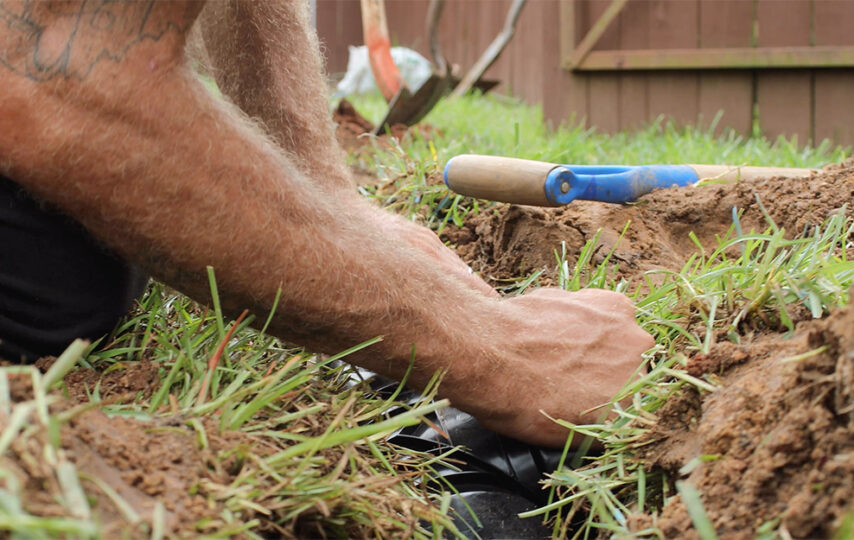

Residential drain and sewer systems are essential for maintaining a safe, clean, and functional home environment. When sewer lines become damaged or blocked, homeowners may experience unpleasant odors, slow drains, sewage backups, and even structural property damage. Because underground sewer systems are hidden from view, many problems develop gradually before becoming serious emergencies.
Modern plumbing and sewer repair technologies now provide homeowners with more efficient and less invasive repair options than traditional excavation methods. Advanced solutions help repair underground pipes while reducing damage to landscaping, driveways, and exterior structures.
Companies like American Sewers continue helping residential property owners address drain and sewer system problems using modern diagnostic tools and trenchless repair technologies. One of the most effective modern methods for restoring damaged sewer pipes involves the use of a sewer line liner, which allows pipes to be repaired internally without extensive digging.
Understanding Residential Sewer Systems
A residential sewer system carries wastewater safely away from sinks, toilets, showers, and appliances. Underground sewer pipes connect homes to municipal sewer systems or septic systems.
When these pipes become damaged, drainage performance may decline and serious plumbing issues can develop quickly.
Common causes of sewer line problems include:
- Tree root intrusion
- Aging pipe materials
- Pipe corrosion
- Ground shifting
- Grease buildup
- Blockages and debris
- Cracked or collapsed pipes
Regular inspections and timely repairs help prevent major property damage and costly plumbing emergencies.
Common Signs of Sewer Line Problems
Many homeowners overlook early warning signs of sewer issues until backups or flooding occur. Recognizing symptoms early often helps reduce repair costs significantly.
Slow Drains
Multiple slow drains throughout the home may indicate sewer line blockage or deterioration.
Sewage Odors
Strong sewer smells inside or outside the property may signal leaks or damaged pipes.
Frequent Drain Backups
Recurring clogs and wastewater backups often suggest more serious sewer line problems underground.
Wet Areas in the Yard
Unexplained soggy spots or unusually green patches may indicate leaking sewer pipes.
Gurgling Sounds
Bubbling or gurgling noises from drains and toilets may signal sewer airflow issues caused by blockages.
Importance of Professional Sewer Inspections
Modern sewer inspections use advanced camera equipment to identify underground pipe damage accurately without unnecessary digging.
Video inspections help detect:
- Cracks and leaks
- Root intrusion
- Pipe corrosion
- Collapsed sections
- Blockages
- Misaligned connections
Professional inspections allow contractors to determine the best repair method for each situation.
Traditional Sewer Repair Challenges
Traditional sewer repair methods often required large trenches to expose underground pipes. While effective, these repairs frequently caused major disruption to residential properties.
Common drawbacks included:
- Damaged landscaping
- Broken driveways and sidewalks
- Long repair timelines
- Higher restoration costs
- Significant excavation work
Modern trenchless technologies now provide less invasive alternatives for repairing underground sewer systems.
What Is a Sewer Line Liner?
A sewer line liner is a trenchless repair solution used to restore damaged pipes internally without replacing the entire sewer line through excavation.
The process generally involves:
- Cleaning the damaged pipe thoroughly
- Inserting a flexible liner coated with special resin
- Expanding the liner inside the pipe
- Allowing the material to cure and harden
Once complete, the liner forms a new pipe within the existing damaged pipe structure.
Benefits of Sewer Line Liner Technology
Trenchless sewer lining provides several advantages for homeowners seeking efficient sewer repairs.
Minimal Property Disruption
Most sewer lining projects require little or no major excavation.
Faster Repair Completion
Projects are often completed much faster than traditional sewer replacement.
Long-Term Durability
Modern liners are designed to resist corrosion, root intrusion, and cracking.
Lower Restoration Costs
Reduced digging helps preserve landscaping and exterior surfaces.
Improved Drainage Performance
Lined pipes often improve wastewater flow and reduce future blockage risks.
Situations Where Sewer Line Lining Works Best
Sewer lining is often effective for repairing:
- Cracked pipes
- Minor pipe separations
- Corroded sewer lines
- Root intrusion damage
- Leaking joints
However, severely collapsed pipes may require full replacement instead of lining.
Tree Root Intrusion and Sewer Damage
Tree roots are one of the leading causes of residential sewer problems. Roots naturally seek moisture and may enter small cracks or joints in underground pipes.
Over time, roots may cause:
- Pipe blockages
- Cracks and leaks
- Pipe separation
- Drain backups
A properly installed sewer line liner helps create a smooth, sealed pipe interior that resists future root intrusion.
Sewer Cleaning Before Liner Installation
Before lining can be installed, the sewer pipe must be cleaned thoroughly to remove debris and buildup.
Cleaning methods may include:
- Hydro jetting
- Mechanical root removal
- Drain cleaning equipment
Proper cleaning ensures the liner bonds correctly to the interior pipe surface.
Advantages of Trenchless Sewer Repairs
Trenchless sewer technologies continue growing in popularity because they reduce disruption while providing durable repair solutions.
Advantages may include:
- Less excavation
- Reduced labor time
- Faster project completion
- Lower restoration expenses
- Improved pipe longevity
Homeowners often prefer trenchless methods because they preserve yards, patios, and driveways more effectively.
Residential Drain Problems Linked to Sewer Damage
Drain problems throughout the home often indicate larger sewer line concerns.
Common symptoms may include:
- Frequent toilet backups
- Slow shower drainage
- Kitchen sink clogs
- Overflowing drains
Addressing sewer issues early helps prevent more severe plumbing emergencies later.
Sewer Line Maintenance Tips
Proper maintenance helps extend the lifespan of residential sewer systems and reduce the risk of future repairs.
Important maintenance practices include:
- Avoid flushing grease or wipes
- Schedule periodic inspections
- Address slow drains promptly
- Monitor tree root growth
- Use drains properly
Preventive care often reduces the likelihood of major sewer failures.
Modern Sewer Repair Equipment
Advanced plumbing technology has significantly improved sewer diagnostics and repairs.
Modern equipment may include:
- Video inspection cameras
- Hydro jetting systems
- Robotic cutting tools
- Trenchless lining equipment
These tools help contractors repair sewer systems more accurately and efficiently.
Environmental Benefits of Sewer Lining
Trenchless sewer lining methods reduce environmental disruption compared to traditional excavation projects.
Environmental advantages may include:
- Reduced soil disturbance
- Less construction waste
- Lower fuel consumption
- Preservation of landscaping
Minimizing excavation also helps protect nearby structures and underground utilities.
Importance of Hiring Experienced Contractors
Sewer repair projects require technical expertise, specialized equipment, and careful planning.
Experienced contractors help ensure:
- Accurate inspections
- Proper liner installation
- Safe repair procedures
- Reliable long-term results
- Compliance with local regulations
Companies like American Sewers provide homeowners with professional assessments and modern sewer repair solutions tailored to each property’s needs.
Cost Considerations for Sewer Repairs
Several factors influence the cost of residential sewer repair projects.
Factors may include:
- Pipe length
- Depth of the sewer line
- Extent of damage
- Pipe accessibility
- Repair method selected
Although trenchless repairs may involve higher upfront technology costs, reduced excavation and restoration expenses often make them cost-effective overall.
Sewer Lining Versus Full Pipe Replacement
Not all sewer problems require full pipe replacement. In many cases, trenchless lining provides an effective alternative.
Sewer Lining May Be Suitable When:
- Pipes remain structurally stable
- Cracks or leaks are moderate
- Root intrusion damage is manageable
Full Replacement May Be Necessary When:
- Pipes collapse completely
- Severe structural damage exists
- Pipe alignment problems are extensive
Professional inspections help determine the most appropriate repair method.
Long-Term Benefits of Modern Sewer Repairs
Investing in sewer system repairs provides long-term advantages for homeowners.
Benefits may include:
- Improved drainage performance
- Reduced risk of backups
- Better property protection
- Increased plumbing reliability
- Lower future repair costs
Modern trenchless technologies often extend sewer system lifespan significantly.
Protecting Property Value
Functional sewer systems play an important role in maintaining residential property value. Unresolved plumbing issues may discourage potential buyers and create costly structural concerns.
Prompt repairs help preserve:
- Home safety
- Property appearance
- Plumbing efficiency
- Structural integrity
Maintaining underground sewer systems protects both comfort and long-term investment value.
Final Thoughts
Residential sewer system problems can create major inconvenience, property damage, and health concerns if left unresolved. Fortunately, modern repair technologies now provide homeowners with efficient and less invasive solutions for underground pipe restoration.
Companies like American Sewers continue helping property owners address drain and sewer problems using advanced inspection tools and trenchless repair methods. One of the most effective modern solutions is the use of a sewer line liner, which restores damaged pipes internally while minimizing excavation and property disruption.
With proper inspections, timely maintenance, and professional repairs, homeowners can improve drainage performance, protect their property, and extend the lifespan of residential sewer systems for many years to come.