
Dreame is using its IFA stand to present four experimental camera designs, each offering an indication of the directions the company is considering. None of them should be regarded as finished products, however.
They are prototypes intended to demonstrate possible ideas rather than devices that are ready to be sold. Dreame has not said whether these cameras will eventually become commercial products, nor has it given any indication of when that might happen.
Motorised Gimbal Design Aims to Keep Footage Steady
One of the designs could easily be mistaken for a standard compact camera at first glance. Its unusual feature becomes apparent when the camera unit is raised from the body, where it is attached to a motor-driven gimbal. This allows the unit to move while recording and is intended to produce steadier footage.
The mechanism can also turn the camera around so that it faces its owner, making the design useful for taking selfies or recording video blogs. Operation is handled through a large touchscreen, a joystick, and two additional dials, with the latter positioned for use by the thumb and index finger.
Dreame Claims a 100MP Micro Four Thirds Sensor
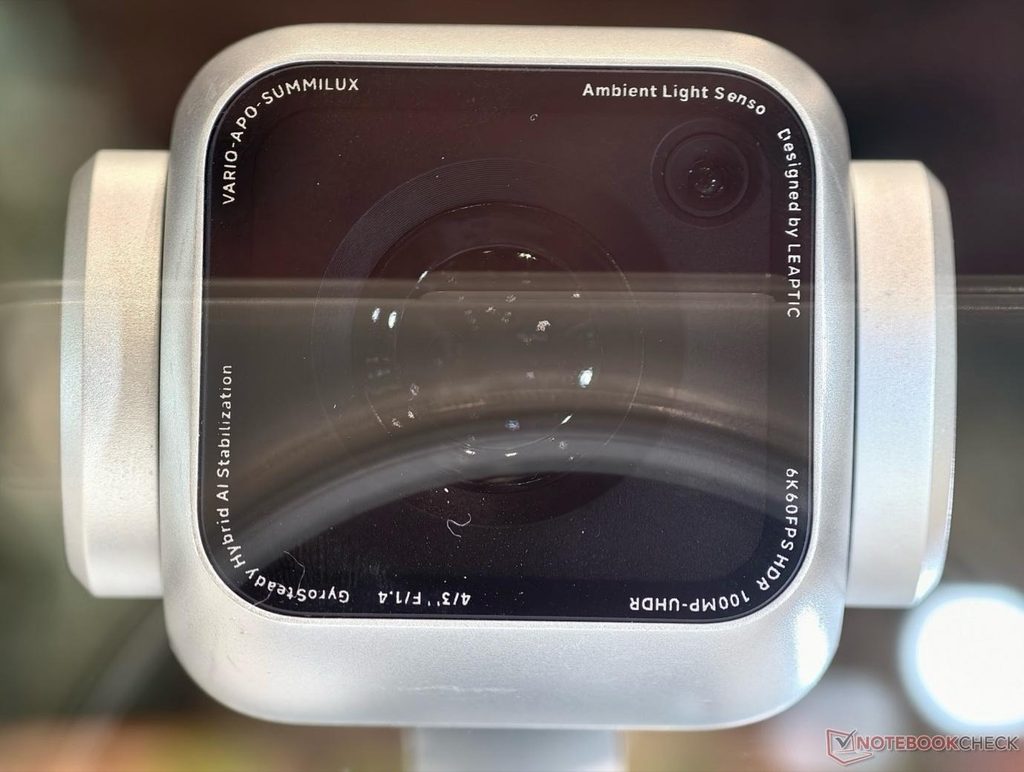
The camera concept makes some ambitious claims about its hardware. Dreame says it uses a zoom lens that can open to f/1.4. It also lists a 100-megapixel Micro Four Thirds sensor, though there is no sensor matching those specifications on the market at present.
The markings on the lens raise another question. One of them misspells “Ambient Light Sensor.” Another uses “Summilux,” Leica’s trademarked name. Dreame does not say whether it has permission to use the term. According to the company, the camera can also capture 6K HDR footage at 60 fps.
Dreame’s Gimbal Cinema Camera Line Gets Three Versions
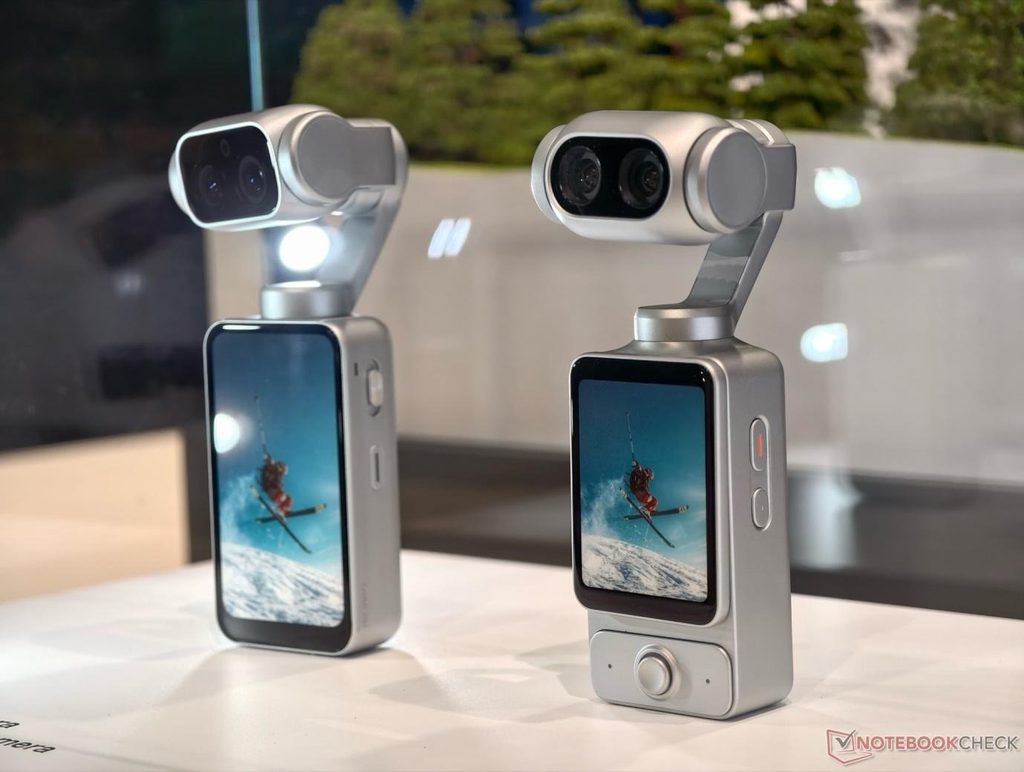
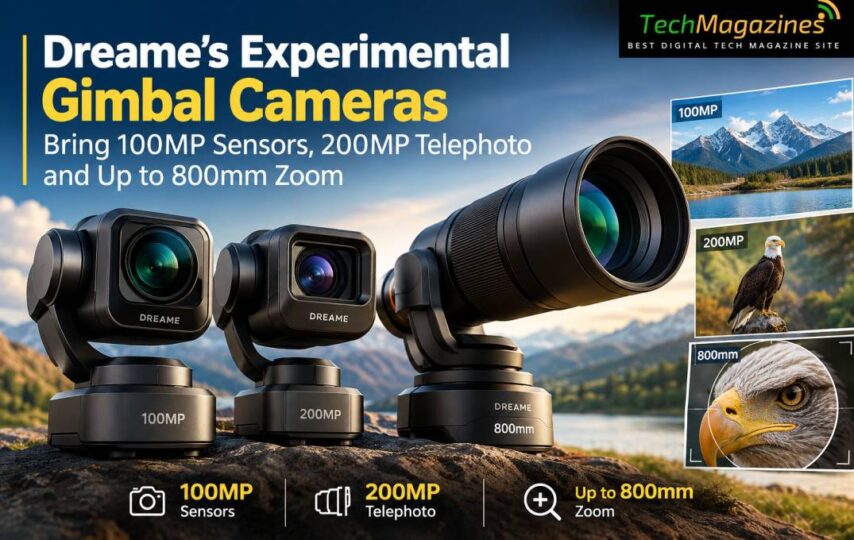
There are three more designs under the name “Gimbal Cinema Camera.” The first uses a single camera and has the general appearance of a compact model, although its body takes a different approach. Dreame gives the second version two cameras and a display that folds out from the body.
The top model uses three cameras. Among them are an ultra-wide-angle unit and a 200-megapixel telephoto camera. Dreame claims that the combination provides a 16–800 mm zoom range in 35 mm equivalent terms.
Final Words
Dreame’s gimbal camera ideas indicate that the company is working on much more than just the more familiar lines of their products. From a motorised camera that can turn toward its owner to a proposed 100MP Micro Four Thirds sensor and a headline-grabbing 200MP telephoto, these prototypes are certainly not short on ambition.
The advertised 16-800mm equivalent zoom range also seems like a specification that would make a photographer’s bag a lot lighter. However, there’s a pretty significant caveat: these are concepts, and not cameras you can walk into a store and purchase. Dreame has not yet announced if any of them will be available for purchase or when.
The prototypes are currently best seen as a preview of the future direction of the company. But should Dreame ever actually bring these concepts to fruition as actual products, camera manufacturers should be sure to pay attention to that gimbal.
\