
The growing popularity of the ebike is not just a trend driven by novelty. It reflects a bigger shift in how people think about transportation, daily convenience, and practical technology. For many riders, an ebike is no longer seen as a niche product for enthusiasts. It is increasingly viewed as a useful option for commuting, short errands, neighborhood mobility, and more flexible everyday movement.
This change is easy to understand. Daily transportation in many cities has become more frustrating. Traffic takes time, parking adds stress, gas costs remain a consideration, and short trips often feel more complicated than they should. At the same time, a traditional bicycle does not always feel realistic for every rider, especially when hills, distance, fatigue, or time pressure become part of the equation.
That is where the appeal of ebikes becomes much clearer. An ebike combines the familiar form of a bicycle with electric assistance that reduces strain and improves usability. The result is a riding experience that feels more accessible, more efficient, and easier to integrate into daily life.
As more shoppers search for ebikes for sale, the real question is no longer whether ebikes are relevant. The better question is how to choose the right one for real-world use. That decision involves much more than looking at a few headline specifications. Buyers need to understand what actually matters for city riding, what features improve the experience, and what kind of ebike fits their routine rather than just their first impression.
Why Ebikes Are Becoming More Relevant in Everyday Transportation
One of the main reasons ebikes are gaining attention is that they sit between two familiar options. They offer more ease and range than a regular bike, while remaining more flexible and approachable than a car for many short to medium trips.
That middle ground matters.
For a large number of people, the most common daily rides are not extreme in distance. They may involve getting to work, riding to class, picking up groceries, heading to a café, running errands, or moving between nearby appointments. These kinds of trips are often too long to walk comfortably but too short to justify the full inconvenience of driving.
An ebike responds well to this kind of routine. It reduces the physical effort that can make normal cycling feel intimidating, while preserving the freedom and simplicity that make bikes appealing in the first place. Instead of turning every short trip into a transportation project, it allows riding to feel like an easier default option.
That is why the ebike category continues to grow in interest. It solves practical daily issues rather than creating a new kind of lifestyle pressure. People are not only buying technology for the sake of innovation. They are buying something that makes ordinary movement smoother and more efficient.
What an Ebike Actually Adds to the Riding Experience
At its core, an ebike is still a bike. But the addition of electric support changes the experience in ways that matter more than many first-time buyers expect.
The biggest difference is not always speed. In fact, one of the most important benefits is reduced friction. Hills feel less punishing. Longer routes feel more manageable. Starting from a stop requires less effort. Riding into a headwind feels less discouraging. For people who want to ride more often but do not want every trip to feel like a workout, that support can make a huge difference.
This is also why ebikes appeal to such a wide range of riders. They are useful for people who are new to cycling, returning after years away, balancing a busy work schedule, or simply looking for a more comfortable way to move around. The support makes riding more realistic on days when energy is low, time is limited, or conditions are less than ideal.
As a result, the true value of an ebike is often found in consistency. It helps people ride more often because it makes riding easier to choose.
Why Searching “Ebikes for Sale” Is Only the First Step
When buyers begin looking at ebikes for sale, many start with the most visible numbers. They compare motor wattage, battery size, top speed, and advertised range. These details are important, but they do not tell the whole story.
A bike can look impressive on paper and still feel mismatched to daily city use. On the other hand, a bike with more balanced specifications may turn out to be the better long-term choice because it fits real routines more naturally.
That is why buying an ebike should not be approached as a search for the biggest number in every category. It should be approached as a search for the right overall fit.
The right fit depends on several things. How far do you usually ride? Do you need a bike for flat city streets or routes with frequent hills? Will you be stopping often in traffic? Do you need something easy to mount and dismount? Will you carry a backpack, groceries, or other essentials? Will the bike live in a garage, hallway, apartment, or office corner?
These practical questions often matter more than many buyers realize. They shape how often the bike gets used, how comfortable it feels in daily conditions, and whether it becomes a real solution instead of an exciting but underused purchase.
The Most Important Features for Everyday City Riding
City riding creates a very specific set of needs. It is not the same as trail riding, long-distance touring, or performance-focused cycling. Urban riders deal with stop-and-go movement, mixed road conditions, intersections, pedestrians, curbs, variable surfaces, and frequent starts and stops. Because of that, the most useful ebike features are often the ones that improve comfort, control, and daily practicality.
1. A Comfortable Riding Position
A city ebike should feel easy to ride for more than just a few minutes. If the posture feels too aggressive or too cramped, daily use becomes less appealing over time. Comfort matters because urban riding often includes repeated short trips, quick stops, and longer periods in the saddle than expected.
A more natural riding position usually makes the experience feel more approachable, especially for newer riders.
2. Smooth Power Delivery
Raw power is not everything. In city environments, smooth assistance is often more valuable than aggressive acceleration. Riders need support that feels predictable at traffic lights, on crowded streets, and while adjusting to frequent changes in pace.
A well-tuned ebike should help the rider feel more in control, not less.
3. Practical Battery Range
Battery range needs to match actual use. A huge advertised number may sound attractive, but what matters more is whether the bike reliably covers the rider’s normal week. For city use, the ideal range depends on commute length, terrain, rider weight, stop frequency, and assist level.
A practical buyer looks for confidence and consistency rather than just the most dramatic marketing claim.
4. Stable Handling
Urban conditions require confidence. Uneven pavement, curb transitions, parked cars, and sudden stops all demand a bike that feels composed and manageable. Stability is especially important for casual riders who may not want something that feels too large, too twitchy, or too hard to maneuver at lower speeds.
5. Useful Carrying Capacity
Real city life often involves carrying things. It may be a laptop bag, groceries, gym clothes, or a few small items from a local store. A bike that supports these simple needs more naturally becomes more useful on a daily basis.
That practicality can matter just as much as power.
Why the Right Frame Style Matters More Than Many Buyers Expect
A common mistake in ebike shopping is assuming that all city bikes serve people in roughly the same way. In reality, frame style can have a direct impact on comfort and confidence.
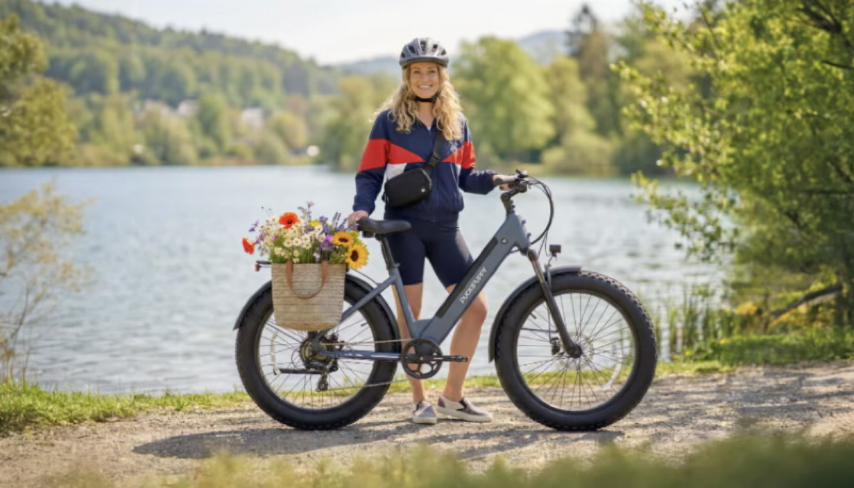
For example, some riders prefer a step-through frame because it is easier to get on and off, especially in traffic or while wearing work clothes. Others may prefer a more traditional frame shape because it feels more familiar or suits their body type better.
Neither option is automatically right or wrong. What matters is how well the frame fits the rider’s daily habits. If someone rides in busy areas with frequent stops, ease of mounting and dismounting may matter a great deal. If someone prioritizes a familiar riding feel, another frame style may suit them better.
This is one reason many buyers now spend more time comparing practical details before making a decision. A good ebike should support everyday usability, not just technical appeal.
Why City Riders Should Not Focus Only on Top Speed
Top speed often gets attention because it is easy to compare. But for everyday city riding, it is rarely the most important factor.
Most urban trips are shaped by intersections, traffic conditions, bike lanes, pedestrians, and changing road flow. In that environment, comfort, control, braking confidence, and smooth support are usually more valuable than simply having a higher maximum speed.
A city rider benefits more from an ebike that feels easy to manage than one that feels overbuilt for the actual trip. The bike should support everyday movement in a way that feels calm and practical. If the experience becomes stressful, awkward, or tiring, then the higher spec no longer translates into better everyday performance.
That is why smart buyers treat speed as one part of the picture, not the whole picture.
What Makes an Ebike a Good Everyday Investment
People often ask whether an ebike is worth the money. The answer depends less on the price tag alone and more on the role the bike will actually play.
If the bike helps replace frequent short car trips, makes commuting less tiring, reduces transportation hassle, and gets used several times a week, then its value becomes much easier to understand. An ebike is not just a product purchase. It can also be a practical upgrade in how daily movement works.
This is especially true when the bike fits real needs from the beginning. A good purchase decision is usually not about buying the most advanced option available. It is about buying the option that becomes part of daily life with the least resistance.
That is why serious buyers are increasingly looking beyond flashy promotions and toward a more thoughtful evaluation of what they really need from the bike.
Why Brand Fit and Product Philosophy Matter
As the market becomes more crowded, brand choice matters more than it did a few years ago. Buyers are no longer just comparing technical features. They are also paying attention to how a brand approaches usability, comfort, everyday practicality, and rider expectations.
This is where names like PUCKIPUPPY begin to stand out in the broader conversation. For many shoppers, the interest is not simply in buying an electric bike with a motor and battery. It is in finding a model that feels aligned with how people actually ride in everyday situations.
That includes things like approachability, comfort, functionality, and whether the bike feels suitable for regular city use instead of only looking attractive in product images. Brand relevance increasingly comes from how well the riding experience fits ordinary life.
Common Buying Mistakes to Avoid
Even informed buyers can make avoidable mistakes when comparing ebikes for sale. A few patterns appear often.
The first is overvaluing specifications without thinking about the use case. Bigger is not always better. The strongest motor or largest battery may not create the best daily experience if the bike becomes too heavy, too bulky, or harder to handle.
The second is ignoring ergonomics. A bike can have strong specs and still feel wrong for the rider if the frame, posture, or step-over height do not match comfort needs.
The third is buying based on idealized plans rather than realistic habits. Some buyers imagine long scenic rides every weekend, but in practice use the bike mostly for commuting and errands. The better purchase is usually the one that fits real behavior, not aspirational behavior.
The fourth is underestimating storage and transport realities. Before buying, it helps to think about where the bike will be kept, how it will be charged, and whether its size fits the rider’s living situation.
Final Thoughts
The rise of the ebike is not difficult to explain. It meets modern transportation needs in a way that feels practical, flexible, and easier to live with than many alternatives. For city riders, it offers a more approachable version of cycling while reducing many of the barriers that keep people from riding more often.
But choosing the right model requires a little more thought than simply browsing ebikes for sale and comparing a few numbers. The best ebike is usually the one that fits daily life most naturally. That means paying attention to comfort, handling, battery suitability, frame style, and overall ease of use.
For buyers who want an everyday riding solution rather than just a product with strong marketing claims, that approach makes the most sense. And for those exploring options from brands like PUCKIPUPPY, the real value often comes down to one thing: how well the bike supports the way people actually move through city life.