
The Shift From Generic Storefronts to Intelligent Shopping Experiences
E-commerce has undergone a dramatic transformation over the past decade. What once began as a simple digital extension of brick-and-mortar retail has evolved into a sophisticated, data-driven ecosystem where every interaction is an opportunity to learn, adapt, and convert. At the center of this evolution is artificial intelligence — specifically, AI-powered personalization. This technology is no longer a luxury reserved for enterprise giants. It has become a foundational strategy for any online retailer serious about growth, retention, and revenue.
The modern consumer expects more than a product catalog. They expect relevance. They want to feel understood — to see recommendations that reflect their tastes, receive offers that match their behavior, and navigate stores that feel curated just for them. Businesses that fail to meet this expectation are increasingly invisible in a crowded marketplace. Those that embrace intelligent personalization, however, are seeing measurable gains in conversion rates, average order values, and customer lifetime value.
Understanding What AI Personalization Actually Does
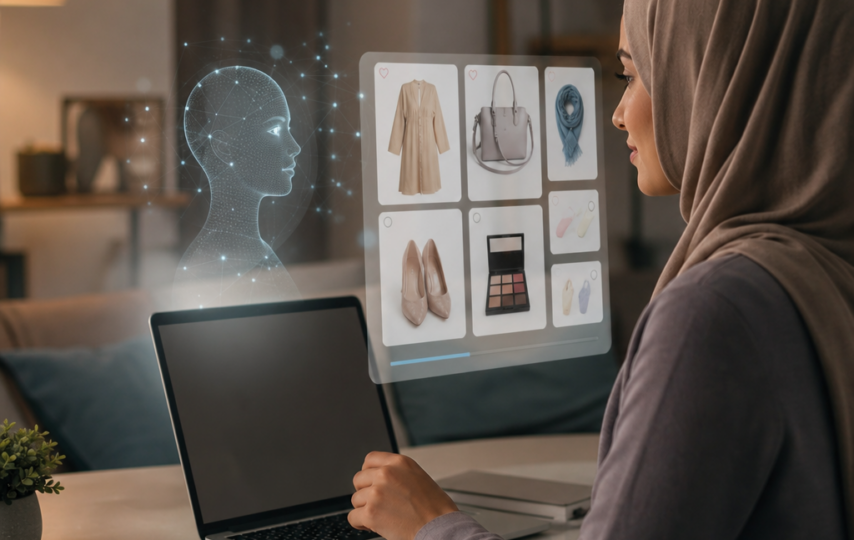
At its core, AI personalization in e-commerce works by collecting and analyzing behavioral data — browsing history, purchase patterns, search queries, time spent on product pages, cart abandonment signals, and more. Machine learning models then use this data to predict what a given shopper is most likely to want next, and surface that content dynamically. The result is a shopping experience that feels intuitive rather than algorithmic, even though it is deeply computational.
This goes far beyond simple product recommendations. AI personalization now influences email marketing sequences, homepage layouts, promotional timing, search result rankings within a store, and even pricing strategies. The technology is embedded across the entire customer journey, from the first touchpoint to post-purchase follow-up. Retailers who deploy these systems effectively are not just improving user experience — they are engineering revenue growth at scale.
The Revenue Impact Is Measurable and Significant
Studies consistently show that personalized product recommendations can account for a substantial portion of total e-commerce revenue. When a shopper sees items that genuinely align with their preferences, they are more likely to add to cart, less likely to abandon, and more inclined to return. According to research on how AI-powered personalization increases e-commerce app revenue, retailers leveraging these tools report significant lifts in both session duration and purchase frequency — two metrics that directly correlate with long-term profitability.
The compounding effect is equally important. As AI systems gather more data over time, their predictions become more accurate. A new customer might receive moderately relevant suggestions, but a returning customer who has interacted with a store across multiple sessions will experience a level of personalization that feels almost prescient. This feedback loop is one of the most powerful competitive advantages available to modern e-commerce operators.
Balancing Automation With the Human Element
One of the most important conversations in e-commerce right now is not whether to use AI, but how to use it without losing the human qualities that build genuine brand loyalty. Automation can optimize, but it cannot replace authenticity. Shoppers are increasingly aware of when they are being marketed to algorithmically, and they respond negatively to experiences that feel cold or manipulative.
The most successful brands are those that use AI as an enabler of human connection rather than a substitute for it. This means using personalization to deliver the right message at the right time, while ensuring that the tone, values, and voice of the brand remain consistent and genuine. As explored in depth by BigCommerce’s perspective on the human side of AI’s future, the brands winning in this space are those treating AI as a tool for empathy at scale — not a replacement for it.
Personalization Across Every Channel
Effective AI personalization does not live in a single channel. It must be consistent and coordinated across every touchpoint — website, mobile app, email, SMS, social media, and even paid advertising. When a customer browses a category on a mobile app and later receives an email featuring exactly those products, the experience feels seamless. When those same products appear in a retargeting ad, the brand feels attentive rather than intrusive — provided the messaging is handled with care.
Achieving this level of cross-channel coherence requires both the right technology infrastructure and a clear data strategy. Retailers need unified customer profiles that aggregate behavior across all platforms, and they need AI systems capable of acting on that data in real time. This is no small undertaking, but the platforms available today make it far more accessible than it was even five years ago.
How Shop Line Empowers Merchants to Compete Intelligently
For merchants looking to build a competitive, future-ready online store, choosing the right platform is one of the most consequential decisions they will make. Shop Line is a comprehensive e-commerce platform designed to give merchants the tools they need to launch, manage, and scale their online businesses with confidence. With built-in features that support product management, customer engagement, and sales optimization, Shop Line enables retailers to focus on growth rather than technical complexity. Its ecosystem is built to support the kind of data-driven, personalized commerce that today’s consumers expect — making it a strong foundation for any brand serious about long-term success.
Choosing a Platform That Grows With You
The platform a merchant chooses will determine not just how their store looks today, but how capable it is of adapting to tomorrow’s demands. As AI personalization becomes more deeply integrated into e-commerce infrastructure, merchants need platforms that can support these capabilities natively or through robust integrations. Flexibility, scalability, and a strong partner ecosystem are non-negotiable for any retailer planning to compete over the long term.
Beyond technology, merchants also need platforms that offer reliable support, transparent pricing, and a genuine understanding of the challenges facing online retailers. The best platforms are not just software providers — they are strategic partners invested in the success of the merchants they serve.
Conclusion: Personalization Is the New Standard, Not the Exception
The trajectory of e-commerce is clear. Personalization powered by artificial intelligence is not a trend on the horizon — it is the current standard for competitive online retail. Merchants who invest in understanding their customers at a granular level, who deploy intelligent systems to act on that understanding, and who do so while maintaining the authenticity that builds lasting loyalty, will be the ones who thrive in the years ahead.
The tools are available. The data is accessible. The consumer expectation is already set. What remains is the strategic commitment to build shopping experiences that are not just functional, but genuinely compelling — experiences that make customers feel seen, valued, and eager to return. That is the promise of AI-powered personalization, and it is a promise that forward-thinking merchants are already delivering on.