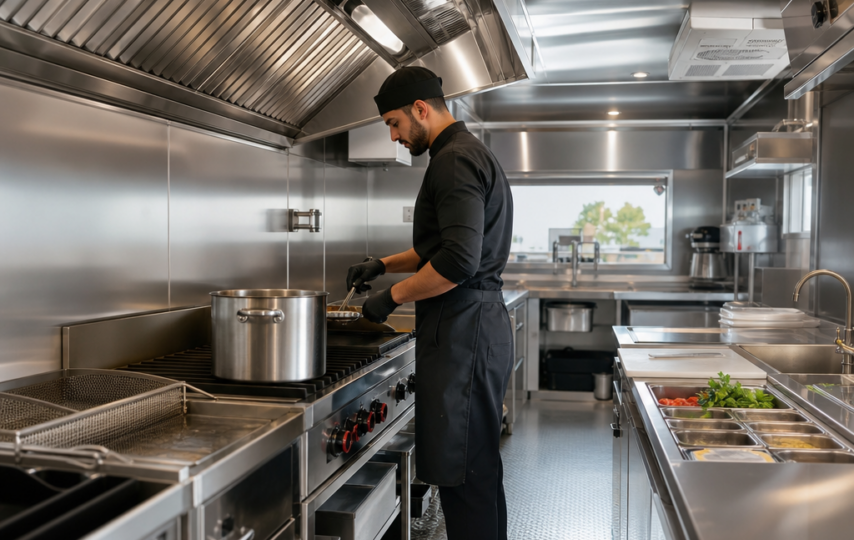

The mobile food industry has undergone a dramatic transformation over the past decade. What once meant a simple hot dog cart or a basic concession stand has evolved into a sophisticated, full-scale culinary operation on wheels. Entrepreneurs, catering companies, and established restaurant brands are increasingly turning to mobile kitchen solutions to expand their reach, reduce overhead, and tap into high-traffic events and locations. At the center of this shift is a piece of equipment that combines industrial-grade fabrication with operational flexibility — and understanding what makes it worth the investment is essential for anyone serious about the food service business.
The Rise of Mobile Food Service Operations
Consumer behavior has changed significantly. People want quality food delivered to them in convenient, unexpected places — festivals, corporate campuses, construction sites, sporting events, and neighborhood pop-ups. Traditional brick-and-mortar restaurants simply cannot follow their customers the way a mobile unit can. This demand has created a booming market for professionally built mobile kitchens that can operate independently of a fixed location while still meeting the rigorous standards of commercial food preparation.
The appeal goes beyond convenience. Mobile food operations typically carry lower startup costs than traditional restaurants, require fewer staff, and can pivot quickly based on seasonal demand or market trends. For entrepreneurs entering the food industry, this flexibility is invaluable. For established brands, it represents a low-risk expansion strategy that can test new markets without committing to a long-term lease.
What Sets a Purpose-Built Mobile Kitchen Apart
Not all mobile kitchens are created equal. There is a significant difference between a retrofitted trailer and a purpose-built commercial unit engineered from the ground up for food service operations. Purpose-built units are designed with workflow efficiency in mind — every inch of space is planned to support a specific cooking process, whether that means high-volume grilling, baking, frying, or multi-station prep work.
Structural integrity is another critical factor. A mobile kitchen endures constant vibration, temperature fluctuations, and heavy equipment loads. The materials used in fabrication must be capable of handling these stresses without compromising food safety or operational reliability. This is where the quality of metal fabrication becomes a decisive factor in the long-term performance of the unit.
Material Selection in Commercial Kitchen Fabrication
The metals used in constructing a commercial mobile kitchen directly affect its durability, hygiene standards, and compliance with health codes. Stainless steel remains the industry standard for interior surfaces due to its corrosion resistance, ease of cleaning, and ability to withstand high-heat environments. However, the structural frame, exterior panels, and mounting systems may call for different alloys depending on weight requirements and environmental exposure. Understanding how metal selection impacts custom fabrication outcomes is essential for buyers who want a unit built to last rather than one that deteriorates after a few seasons of heavy use. The right fabricator will walk clients through these choices rather than defaulting to the cheapest available option.
Branding and Visual Identity on the Road
A mobile kitchen is not just a cooking facility — it is a moving advertisement. Every time the unit travels to a new location, it has the potential to attract new customers and reinforce brand recognition. This makes the exterior presentation of the trailer just as important as its interior functionality. Operators who invest in professional vehicle graphics and cohesive branding consistently report stronger customer engagement and higher foot traffic at events.
Designing those graphics requires a strategic approach. Color contrast, logo placement, readability at distance, and material durability all factor into whether a wrap performs well in real-world conditions. For operators looking to maximize the visual impact of their mobile unit, learning how to design commercial fleet graphics for maximum impact provides a practical framework for turning a trailer exterior into a powerful marketing tool that works around the clock.
Compliance, Permitting, and Health Code Considerations
One area that catches many new mobile food operators off guard is the complexity of regulatory compliance. Unlike a food truck, which operates under motor vehicle regulations, a trailer-based kitchen may fall under different jurisdictional rules depending on the state and municipality. Health departments typically require specific ventilation systems, handwashing stations, grease trap configurations, and fire suppression equipment. Working with a fabricator who understands these requirements from the outset saves significant time and money compared to retrofitting a unit after the fact.
Operators should also consider the commissary kitchen requirements in their target markets. Many jurisdictions require mobile food vendors to operate out of a licensed commissary for food storage and prep. Planning the trailer’s layout with this in mind — including adequate cold storage and prep surfaces — ensures smoother day-to-day operations and easier health inspections.
Craftsmen Industries: Engineering Mobile Kitchens for Commercial Demands
When it comes to sourcing a mobile kitchen built to true commercial standards, the fabricator’s experience and engineering capability matter enormously. A commercial kitchen trailer from Craftsmen Industries represents the intersection of industrial fabrication expertise and deep knowledge of food service operational requirements. Their units are engineered with attention to structural integrity, workflow efficiency, and compliance readiness — qualities that separate a professional-grade mobile kitchen from a generic trailer conversion. Craftsmen Industries brings decades of custom fabrication experience to each build, ensuring that operators receive a unit capable of performing at full commercial capacity from day one.
Their approach to design is collaborative. Rather than offering a one-size-fits-all solution, they work closely with clients to understand the specific menu, volume requirements, and operational environment before finalizing the build specifications. This results in a unit that genuinely supports the business rather than forcing operators to work around its limitations.
Long-Term Value and Return on Investment
The financial case for a well-built commercial mobile kitchen is compelling when viewed over a multi-year horizon. A quality unit, properly maintained, can serve a business for ten to fifteen years or more. During that time, it generates revenue at events, festivals, private catering engagements, and permanent pitch locations without the recurring costs of rent, utilities, and property maintenance that burden fixed-location restaurants.
Depreciation schedules, financing options, and potential resale value also factor into the investment calculus. Units built by reputable fabricators using quality materials retain their value far better than budget alternatives. For operators who eventually upgrade or pivot their business model, a well-maintained trailer from a recognized manufacturer commands a strong resale price in the secondary market.
Conclusion
The commercial mobile kitchen market is maturing rapidly, and the operators who succeed long-term are those who treat their equipment as a serious business asset rather than an afterthought. From the metals used in fabrication to the graphics on the exterior, every decision contributes to operational performance, brand perception, and financial return. Choosing a fabricator with genuine commercial expertise, understanding the regulatory landscape, and investing in professional branding are the pillars of a mobile food business built to last. The opportunity is substantial — and the right equipment makes all the difference in capturing it.