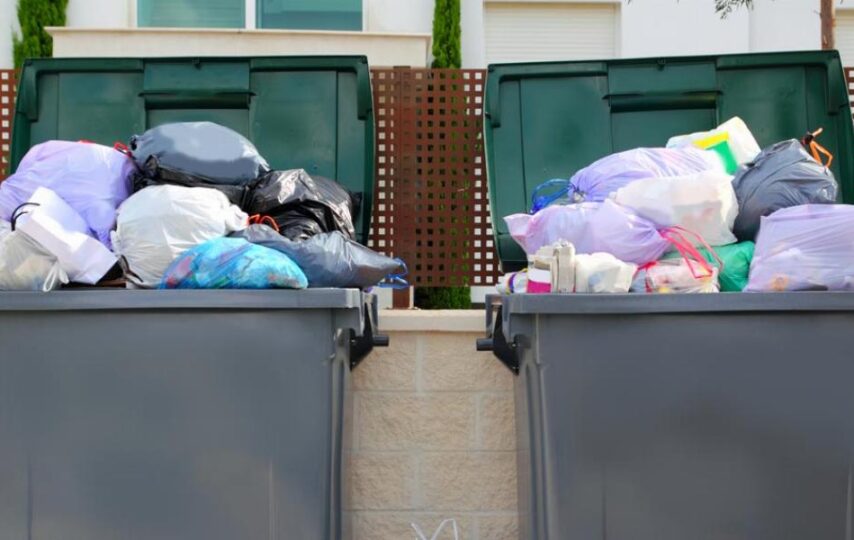

Managing waste responsibly has become an important part of modern life in Sydney. As households, businesses, and construction projects generate increasing amounts of rubbish, the need for effective recycling systems has never been greater. While council services and recycling centres play a role, professional rubbish removal companies are also making a significant contribution to improving recycling outcomes across the city.
Eco friendly waste management is no longer just a preference. It is an essential part of reducing landfill use, conserving resources, and supporting a more sustainable future. Responsible rubbish removal services help bridge the gap between waste generation and proper recycling by ensuring materials are sorted, processed, and directed to the right facilities.
This article explores how eco-friendly rubbish removal supports recycling Sydney initiatives, why responsible waste practices matter, and how individuals and businesses can contribute to better environmental outcomes.
Understanding Responsible Rubbish Removal
Responsible rubbish removal refers to the process of collecting, transporting, sorting, and disposing of waste in a way that minimises environmental impact. Unlike basic waste disposal, it focuses on separating recyclable materials from general rubbish and ensuring they are sent to appropriate facilities.
Eco friendly rubbish removal services typically handle a wide range of materials, including:
- Household waste
- Furniture and appliances
- Garden waste
- Construction debris
- Metal, plastic, and cardboard
- Electronic waste
The goal is to reduce the amount of waste that ends up in landfill by identifying materials that can be reused or recycled.
The Importance of Recycling in Sydney
Sydney generates a large volume of waste each year from residential, commercial, and industrial sources. Without effective recycling systems, much of this waste would end up in landfill, contributing to environmental pollution and the depletion of natural resources.
Recycling Sydney initiatives aim to:
- Reduce landfill usage
- Conserve natural resources
- Lower greenhouse gas emissions
- Promote sustainable consumption
- Encourage responsible waste behaviour
By diverting recyclable materials away from landfill, Sydney can reduce its environmental footprint and support long term sustainability goals.
How Eco Friendly Rubbish Removal Supports Recycling
Professional rubbish removal services play a key role in improving recycling outcomes by managing waste more efficiently than standard disposal methods.
Sorting waste at the source
One of the most important steps in eco friendly rubbish removal is sorting materials correctly. Many items that appear to be general waste actually contain recyclable components.
Professional teams are trained to identify and separate:
- Metals
- Plastics
- Glass
- Paper and cardboard
- Electronic components
- Organic garden waste
This sorting process ensures that recyclable materials are not mistakenly sent to landfill.
Reducing contamination
Contamination is one of the biggest challenges in recycling. When non recyclable materials are mixed with recyclables, entire loads can become unusable.
Responsible rubbish removal services help reduce contamination by:
- Separating waste types properly
- Educating clients on disposal practices
- Ensuring clean streams of recyclable materials
- Transporting materials to appropriate facilities
Cleaner waste streams lead to higher recycling rates and better environmental outcomes.
Directing waste to specialised facilities
Not all recycling is handled in the same way. Different materials require different processing methods.
Eco friendly rubbish removal companies often work with:
- Metal recycling centres
- Paper and cardboard processing facilities
- Electronics recycling programs
- Green waste composting facilities
- Construction waste recyclers
By sending materials to the correct destinations, they increase the likelihood that waste will be successfully reused or repurposed.
Types of Materials Commonly Recycled
Many people are surprised by how many household and commercial items can be recycled when handled properly.
Metals
Metals such as aluminium, steel, and copper can often be recycled repeatedly without losing quality. Items like old appliances, bed frames, and pipes are commonly recovered.
Paper and cardboard
Packaging materials, office paper, and cardboard boxes are widely recyclable when kept clean and dry.
Plastics
While not all plastics are recyclable, many types can be processed into new products when correctly sorted.
Glass
Glass bottles and containers can be melted down and reused in manufacturing.
Electronics
Electronic waste contains valuable materials such as metals and components that can be recovered through specialised recycling processes.
Green waste
Garden waste such as leaves, branches, and grass clippings can be composted and reused as soil conditioner.
The Role of Eco Friendly Rubbish Removal in Construction Waste
Construction and renovation projects generate significant amounts of waste. Without proper management, much of this material would end up in landfill.
Eco friendly rubbish removal services help manage construction waste by:
- Separating timber, metal, and concrete
- Recycling bricks and tiles where possible
- Collecting packaging materials
- Reducing contamination between waste types
- Transporting materials to specialised recycling centres
This process supports recycling Sydney goals by recovering valuable materials from large scale projects.
Benefits of Responsible Waste Management
Choosing eco friendly rubbish removal offers benefits beyond environmental impact.
Reduced landfill pressure
By diverting waste from landfill, fewer sites are required, helping preserve land for other uses.
Conservation of resources
Recycling reduces the need to extract raw materials, helping conserve natural resources.
Lower carbon emissions
Producing goods from recycled materials typically requires less energy than using raw materials.
Improved community cleanliness
Efficient waste removal helps keep residential and commercial areas cleaner and more organised.
Support for circular economy
Recycling supports a circular economy where materials are reused rather than discarded.
How Households Can Support Recycling Efforts
Residents play an important role in improving recycling outcomes.
Simple actions include:
- Separating recyclables from general waste
- Cleaning containers before disposal
- Avoiding contamination of recycling bins
- Donating usable items instead of discarding them
- Using professional rubbish removal for large items
These steps help ensure materials can be processed correctly.
How Businesses Contribute to Recycling Goals
Businesses generate large volumes of waste and therefore have a significant impact on recycling rates.
They can support eco friendly rubbish removal by:
- Implementing waste separation systems
- Recycling office materials and packaging
- Disposing of e waste responsibly
- Working with licensed rubbish removal providers
- Reducing unnecessary packaging
Responsible business practices contribute directly to recycling Sydney initiatives.
Challenges in Recycling Waste
Despite improvements in waste management, several challenges remain.
Contamination issues
Incorrect sorting continues to be a major issue in recycling systems.
Lack of awareness
Many people are still unsure what can and cannot be recycled.
Mixed waste streams
When different types of waste are combined, recycling becomes more difficult.
Limited processing facilities
Some materials require specialised facilities that may not be widely available.
Eco friendly rubbish removal services help address these challenges through professional handling and education.
The Importance of Choosing Licensed Providers
Not all waste removal services operate with the same environmental standards.
Choosing a licensed and responsible provider ensures:
- Compliance with local regulations
- Proper waste tracking
- Access to approved recycling facilities
- Ethical disposal practices
- Reduced environmental impact
This helps ensure waste is managed correctly from collection to disposal.
Future of Recycling in Sydney
Recycling systems in Sydney continue to evolve as technology and awareness improve.
Future developments may include:
- Advanced sorting technologies
- Increased use of recycled materials in manufacturing
- Expanded e waste recycling programs
- Greater public education campaigns
- Improved waste tracking systems
Eco friendly rubbish removal services will continue to play an important role in supporting these improvements.
Common Mistakes That Affect Recycling
Many recycling problems are caused by simple mistakes.
These include:
- Placing non recyclable items in recycling bins
- Not separating waste properly
- Disposing of food contaminated packaging
- Ignoring local recycling guidelines
- Mixing hazardous waste with general rubbish
Avoiding these mistakes improves recycling efficiency.
Frequently Asked Questions
What happens to rubbish after it is collected?
It is sorted into different material types and sent to appropriate recycling or disposal facilities.
Can all rubbish be recycled?
No. While many materials can be recycled, some items must be disposed of in landfill due to contamination or lack of processing options.
Why is professional rubbish removal better for recycling?
Professionals have the training and facilities to sort waste correctly and ensure it is sent to appropriate recycling centres.
How does recycling help the environment?
Recycling reduces landfill use, conserves natural resources, and lowers greenhouse gas emissions.
Final Thoughts
Responsible waste management plays a crucial role in supporting recycling Sydney initiatives and building a more sustainable future. Eco friendly rubbish removal services help bridge the gap between waste generation and proper recycling by sorting materials, reducing contamination, and directing waste to specialised facilities.
By choosing eco friendly rubbish removal and making simple changes at home or in the workplace, individuals and businesses can significantly improve recycling outcomes. These efforts not only reduce environmental impact but also support a cleaner, more efficient, and more sustainable city for future generations.