
Medicine is moving quickly, and students notice it earlier than many adults expect. A strong medical camp no longer stops at anatomy charts and vocabulary lists. It gives students a chance to test ideas, study data, build simple tools, and think through patient problems in a practical way.
The need is not abstract, either: “The World Health Organisation projects a shortfall of 11 million health workers by 2023”. Early exposure can help students see healthcare as something active, creative, and possible, not just a far-off career they may consider someday.
The Intersection of STEM and Modern Healthcare
Healthcare now depends on technology, teamwork, and evidence-based decision-making. So if students want to understand where medicine is headed, they need more than textbook science. This is where medical camp technology turns curiosity into real problem-solving.
How STEM in Healthcare is Shaping Tomorrow’s Medicine
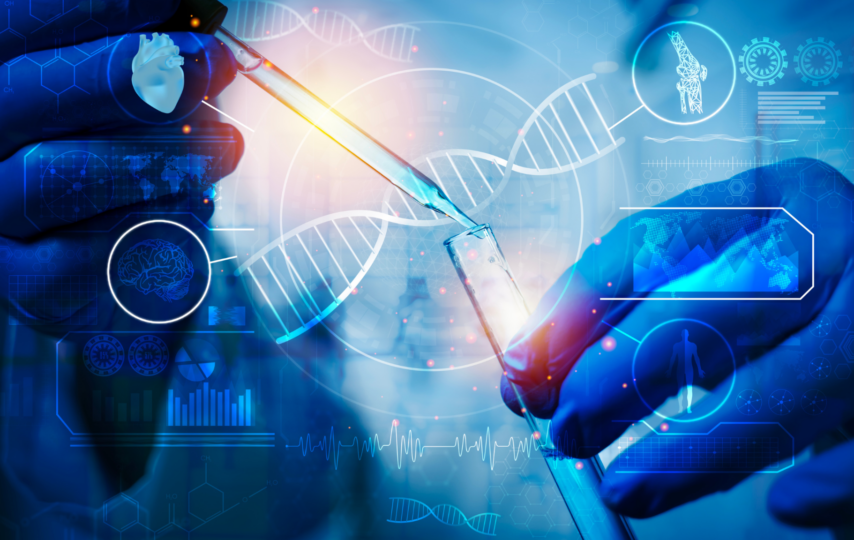
Today’s clinicians use imaging platforms, data dashboards, robotic tools, genetic reports, and digital records alongside traditional exams. That is why STEM in healthcare matters so much. It shows students how biology, engineering, math, and computing come together when real people need care.
Key Advancements Bridging Medical Innovation for Students
For middle schoolers and teens, structured exposure can make a big difference. Healthcare skills development programs give students guided ways to practice observation, teamwork, communication, and evidence-based reasoning before they ever step into a professional setting.
Once students see how STEM drives medical progress, the natural next question is simple: what does that look like up close?
The Evolution of Medical Camp Technology
Medical camps have changed a lot. The best ones feel less like lectures and more like safe, age-appropriate training environments. Students still learn concepts, of course, but they also practice applying them.
Transformative Tools and Platforms in Camps
Modern camps may introduce digital microscopes, ultrasound demonstrations, EKG readers, 3D anatomy tools, and simulated electronic health records. A thoughtful healthcare technology camp teaches students why each tool matters, not just which button to press.
Simulations, AI, and Virtual Reality
Multi-user VR training has shown “a 42% improvement in procedural accuracy, a 38% reduction in training time, and better skill retention”. That is powerful because students can repeat a scenario, pause, reflect, make mistakes safely, and try again.
From VR simulations to wearable data and AI-supported diagnostics, camp technology makes learning feel immediate.
Healthcare Innovation STEM Programs: Shaping Real-World Skills
The strongest programs connect cool tools with meaningful projects. A good healthcare innovation STEM model does not rush students toward flashy answers. It teaches them to ask sharper questions first.
Project-Based Learning for Future Medical Innovators
Students might design a triage app, build a low-cost splint prototype, or study heart-rate patterns after exercise. Suddenly, medical innovation for students feels less theoretical. The work begins with a real problem someone might actually face.
University and Hospital Collaboration
When camps include medical faculty, lab mentors, or hospital-style simulations, students get a better sense of professional thinking. They also learn an important truth: data helps, but judgment, safety, and ethics still matter.
With project-based challenges and real-world guidance, learning often stretches far beyond the classroom.
Student-Led Innovation That Feels Real
A “success story” does not always mean a student invents the next breakthrough device. Sometimes the real win is quieter. A student learns to question an assumption, explain evidence clearly, or revise a design after honest feedback. That is growth.
Patient Care Technology Ideas
One team might design a medication reminder for older adults. Another might create a hydration tracker for athletes. These projects teach empathy, usability, and data responsibility; three qualities healthcare needs badly.
Camps, Showcases, and Competitions
Final presentations give students practice explaining their process. Mentors and judges often look for need, safety, testing, and whether the idea could work outside a classroom setting.
These moments remind students that innovation is not reserved for experts. It often starts with one practical problem and the courage to keep improving.
Hands-On Activities Inside a Healthcare Technology Camp
Now, let’s look at the activities that tend to spark the most excitement. The best sessions are hands-on, but not chaotic. There is room for discovery, with enough structure to keep learning safe.
Robotics and 3D Printing
Students may print anatomical models, build robotic grippers, or explore how assistive devices support movement. These activities connect engineering choices with comfort, precision, and patient safety.
Coding and DIY Medical Devices
Coding projects might include symptom checkers, habit trackers, or simple health dashboards. In a healthcare technology camp, students should also learn that medical apps require privacy, clear language, and careful testing.
Building is exciting. But building with guidance? That is where confidence really grows.
Mentorship, Networking, and Global Collaboration
Mentors can turn a good camp experience into something students remember for years. They help students see both the promise and the responsibility of healthcare work.
Industry Leaders Guiding Students
Clinicians, engineers, and researchers can explain how an idea moves from sketch to testing to patient use. They can also show students that failure is not the end of the road. In design, it is often part of the road.
Startups and Healthcare Institutions
Exposure to medical technology startups helps students understand regulation, usability testing, and clinical feedback. It gives them a practical look at STEM in healthcare beyond homework and lab reports.
With experts in the room, students get closer to the conversations shaping medicine’s future.
Trending Innovations in Medical Camp Technology
Camps are also a smart place to explore what is coming next. The goal is not hype. It is helping students understand where each tool fits and what problem it solves.
Biotechnology, Genomics, and Telemedicine
Students may learn how DNA data can inform risk, how telemedicine expands access, and why remote care still depends on strong communication. These topics show how medical camp technology connects science with actual care delivery.
Sustainable Health Tech
Green healthcare projects may explore reusable device design, lower-energy clinics, or waste reduction in labs. It is a practical way to connect health, engineering, and environmental responsibility.
After students encounter genomics, telemedicine, and sustainable design, another question comes up: how can this help them later?
From Camp Learning to Career Pathways
Camp does not force students to choose a career. Thankfully. Few middle schoolers need that pressure. But it can help them build proof of interest and a clearer sense of direction.
Internships, Scholarships, and University Pathways
A strong program helps students describe what they learned in specific terms: clinical reasoning, coding, device testing, lab safety, teamwork, or communication. That makes future applications stronger and more believable.
Portfolio Development
Students should save notes, sketches, code samples, reflection essays, and presentation slides. A portfolio turns medical innovation for students from a short camp memory into visible evidence of growth.
Once portfolios and future opportunities enter the picture, choosing the right program becomes more than a casual decision.
Selecting the Best Healthcare Innovation STEM Program
The right program depends on safety, teaching quality, student maturity, and how hands-on the curriculum truly is. Parents should look past glossy brochures and ask practical questions.
Curriculum and Safety Checks
Look for clear supervision, trained mentors, age-appropriate procedures, and transparent expectations. Programs should explain what students will do, what they will not do, and why.
A Useful Comparison Table
| Program Feature | Strong Sign | Why It Matters |
| Simulation labs | Students practice safely | Builds confidence without patient risk |
| Mentor access | Clinicians or researchers teach | Connects lessons to real work |
| Project work | Students build or test something | Shows applied learning |
| Data activities | Wearables, imaging, or coding | Strengthens technical thinking |
| Reflection time | Students explain choices | Builds communication skills |
Once you know what a strong program looks like, the next step is keeping curiosity alive after camp ends.
Useful Resources and Further Learning
Learning should not stop when the camp badge comes off. Students can keep building skills with small, steady practice throughout the year.
Organizations and Courses
Students can explore public health agencies, university open course pages, biomedical engineering videos, and beginner coding lessons. The goal is consistency, not cramming.
Simulators and At-Home Projects
Free anatomy tools, simple data notebooks, and safe design challenges can keep momentum going. Even a basic heart-rate study after exercise can teach variables, measurement error, and pattern recognition.
With resources in hand, families often still have a few practical questions.
Final Thoughts on Future Healthcare Leaders
A well-designed medical camp can turn curiosity into real skill. Students learn how healthcare innovation STEM programs connect science, engineering, coding, ethics, and patient needs. They also discover that medicine is not just memorizing facts. It is asking careful questions, testing better solutions, and staying human while using powerful tools.
For families and educators, the next step is clear: choose programs that are safe, hands-on, and serious about learning. Tomorrow’s healthcare leaders may begin with one project, one mentor, and one bold question.
Common Questions About Medical Camp Technology
These quick answers can help when comparing options.
What happens in a medical camp?
Students explore healthcare through labs, simulations, case studies, and mentor-led activities. They may practice suturing on models, read imaging examples, study anatomy, test devices, or work on team projects tied to real medical problems.
What are the 4 P’s of medicine?
The 4 P’s often refer to predictive, preventive, personalized, and participatory medicine. The idea is to predict risks earlier, prevent illness when possible, tailor care to each person, and include patients in decisions.
What is medical technology innovation?
Medical technology innovation means creating or improving tools that support care. That may include diagnostic software, wearable sensors, surgical robotics, telehealth systems, lab devices, or safer ways to collect and use patient data.
With the basics answered, the path becomes easier to picture.