
Restaurant signage does more than tell people where to eat. It shapes expectations, creates cravings, and helps customers decide what they want before they ever look at a full menu. From the sign outside the building to menu boards, window graphics, table tents, and promotional displays, every visual cue can influence appetite. The right sign can make food feel fresh, exciting, comforting, or premium. The wrong sign can make the experience feel confusing, outdated, or forgettable. That is why thoughtful restaurant signage is an important part of attracting customers and encouraging them to order with confidence.
Why Signage Matters in the Restaurant Experience
Customers often start forming opinions before they walk through the door. A clear, attractive exterior sign can make a restaurant feel inviting and trustworthy. A faded or cluttered sign can create doubt, even if the food is excellent. People connect visual presentation with quality, cleanliness, and service. If the signage looks polished, customers may assume the restaurant pays attention to details. That first impression can influence whether they decide to stop, enter, or keep looking for another place to eat.
Once customers are inside, signage continues to shape the experience. Menu boards, wall graphics, directional signs, specials displays, and ordering instructions all guide decisions. In fast-casual, quick-service, and counter-service restaurants, signs can help customers move through the ordering process faster. In full-service restaurants, signs can highlight specials, drinks, desserts, or limited-time offers. Good signage reduces confusion and gives customers helpful visual cues. When the experience feels easy and enjoyable, people are more likely to order and return.
Appetite Begins With Visual Appeal
People eat with their eyes first, and signage plays directly into that behavior. High-quality food photography, rich colors, and appetizing descriptions can trigger cravings. A sign that shows a sizzling burger, fresh salad, creamy pasta, or colorful dessert can make customers imagine the taste before ordering. This emotional response can influence what they choose and how much they are willing to spend. The key is making food look appealing without making the sign feel overwhelming. A focused image or message often works better than a crowded layout.
Visual appeal should match the restaurant’s concept. A casual taco shop may use bold colors and energetic graphics, while a fine dining restaurant may prefer elegant typography and minimal imagery. A bakery might use warm tones and close-up photos of pastries, while a smoothie shop may rely on bright fruit colors and freshness cues. These visual choices help set the tone for the meal. They also make the food feel more desirable. When signs reflect the flavor and personality of the restaurant, customers feel more connected to the experience.
How Color Influences Customer Appetite
Color can have a strong effect on how people respond to restaurant signage. Warm colors such as red, orange, and yellow are often used because they feel energetic, inviting, and food-focused. Green can suggest freshness, health, and natural ingredients. Black, white, gold, and deep neutral tones can create a premium or upscale feel. The best color choices depend on the type of restaurant and the message you want to send. A sign for a pizza shop should not feel the same as a sign for a high-end seafood restaurant. Color helps customers understand the dining experience before they order.
Contrast is just as important as color choice. A menu board may use beautiful colors, but if the text is hard to read, customers can become frustrated. Strong contrast helps people quickly scan options, prices, categories, and specials. This is especially important in busy lines where customers need to decide quickly. Poor contrast can slow down ordering and make customers feel rushed or uncertain. Clear color strategy makes signage both attractive and functional.
The Power of Clear Menu Boards
Menu boards are some of the most influential signs inside a restaurant. They help customers understand what is available, compare options, and make decisions. A well-designed menu board organizes information in a way that feels simple and natural. Categories should be easy to follow, item names should be readable, and prices should be clear. If customers struggle to find what they want, they may order less or choose a familiar basic item. Clear menu boards help customers feel comfortable exploring more of what you offer.
A strong menu board can also guide attention toward profitable or signature items. Restaurants can use placement, size, callout boxes, icons, or images to highlight popular dishes. These elements should be used carefully so the sign does not become too busy. Customers should be able to notice featured items without feeling pushed. When done well, menu board design supports both customer satisfaction and restaurant sales. It helps guests make faster, more confident choices.
Effective menu signage often includes:
- Clear food categories
- Easy-to-read item names
- Simple descriptions
- Visible pricing
- High-contrast text
- Featured specials or best sellers
- Limited but appealing food photos
- Consistent branding
Descriptions That Make Food More Appealing
Words matter almost as much as images. A menu sign that says “chicken sandwich” may be accurate, but it may not create much excitement. A description like “crispy chicken with house-made slaw and spicy honey” gives customers a stronger sense of flavor and texture. Descriptive language can make food feel more special and worth ordering. It can also help customers understand ingredients without needing to ask questions. The goal is to be clear, concise, and appetizing.
However, descriptions should not be too long. Customers viewing signs often make decisions quickly, especially in counter-service settings. Short phrases that highlight freshness, preparation style, flavor, or uniqueness work best. Words such as grilled, roasted, creamy, fresh, handcrafted, smoky, zesty, and house-made can add appeal when used honestly. Overusing buzzwords can make the sign feel cluttered or artificial. Strong descriptions should make the food easier to imagine and more tempting to order.
Exterior Signs Can Spark Cravings Before Entry
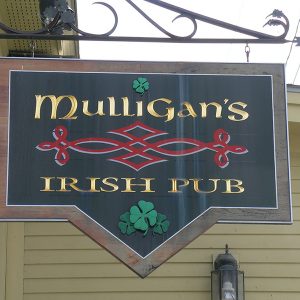
Exterior restaurant signage is often the first appetite trigger. A well-lit sign, attractive window graphic, or sidewalk display can turn a passerby into a customer. This is especially true in areas with heavy foot traffic, shopping centers, entertainment districts, and downtown streets. A person may not be planning to eat until a sign catches their attention. If the sign communicates flavor, convenience, or a great special, it can influence an impulse visit. The right exterior sign can make hunger feel immediate.
Window signs and outdoor displays can also showcase featured items. A coffee shop may promote seasonal drinks, while a diner may highlight breakfast specials. A restaurant with patio seating may use signage to create a welcoming atmosphere. These signs should be easy to read from the direction customers are approaching. They should also match the restaurant’s overall brand. When exterior signs are attractive, visible, and current, they help bring customers inside.
Digital Signage and Changing Customer Behavior
Digital signs give restaurants flexibility that static signs cannot always provide. They can rotate specials, show food videos, update pricing, promote limited-time offers, and adjust content by time of day. A breakfast menu can change to lunch without replacing printed materials. A restaurant can highlight cold drinks during a hot afternoon or desserts during dinner service. This flexibility helps signage stay relevant and timely. It can also make the restaurant feel modern and active.
Digital signage should still follow good design principles. Too much movement, too many slides, or hard-to-read text can distract customers instead of helping them. Each screen should have a clear purpose and enough time for people to read it. Photos and videos should be high quality because poor visuals can make food look less appealing. Brightness and placement should be adjusted for the environment. Digital restaurant signage works best when it improves clarity, speed, and appetite appeal.
FAQ About Restaurant Signage
How does restaurant signage affect customer appetite?
Restaurant signage affects appetite by using visuals, colors, descriptions, and layout to make food more appealing. A well-designed sign can trigger cravings and help customers imagine the taste, texture, and experience of a meal. It also makes ordering easier, which can improve the overall dining experience.
What type of signage is most important for restaurants?
Exterior signs and menu boards are usually the most important. Exterior signs attract customers and create the first impression. Menu boards influence what customers order once they are ready to buy.
Should restaurants use food photography on signs?
Food photography can be very effective when the images are high-quality and accurate. Poor photos can make food look less appealing, so restaurants should use images carefully. A few strong photos are usually better than many average ones.
How often should restaurant signs be updated?
Restaurant signs should be reviewed regularly and updated when items, prices, branding, or promotions change. Seasonal specials and limited-time offers should be refreshed often. Damaged, faded, or outdated signs should be replaced quickly.
Can signage increase restaurant sales?
Yes, signage can support sales by highlighting best sellers, specials, combos, desserts, drinks, and premium items. It can also reduce confusion and speed up ordering. Clear, attractive signs help customers make confident decisions.
Turning Restaurant Signage Into a Sales Tool
The best restaurant signage combines appetite appeal with practical communication. It should look attractive, match the brand, and help customers understand their options quickly. Every sign should serve a purpose, whether it is attracting attention, guiding traffic, promoting a special, or improving the ordering process. Good signage does not simply decorate the space. It supports customer decisions and creates a stronger dining experience. When signs are designed strategically, they can influence both appetite and revenue.
To get the most value from restaurant signage, focus on clarity, consistency, and freshness. Keep text readable, images appetizing, and colors aligned with the brand. Use signs to highlight what makes your restaurant special, whether that is fresh ingredients, bold flavors, fast service, family recipes, or seasonal favorites. Review signage often to make sure it still reflects your menu and customer expectations. A strong sign can make food feel more desirable before the first bite. From menu boards to exterior displays, restaurant signage can turn attention into appetite and appetite into action.