
Pre-employment screening continues to evolve as employers balance hiring speed, risk management, regulatory requirements, and candidate expectations. In 2026, HR teams are paying particularly close attention to identity verification, artificial intelligence, international hiring, screening accuracy, and technology integration.
Understanding the latest pre-employment screening trends HR leaders are following can help organizations identify gaps in existing hiring procedures and make better decisions about their screening partners. The goal is not simply to conduct more checks. It is to create screening processes that deliver useful, accurate information while remaining efficient, consistent, and appropriate for each position.
Identity Verification Is Taking on Greater Importance
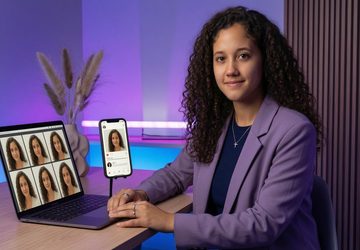
One of the biggest developments in screening is increased attention to whether candidates are actually who they claim to be. Advances in artificial intelligence have made it easier to generate convincing resumes, create false credentials, manipulate documents, and potentially misrepresent identities throughout remote hiring processes.
As a result, HR leaders are examining how identity verification fits into the larger screening process. Organizations evaluating providers may want to ask about:
- Identity document verification
- Candidate identity matching
- Fraud detection controls
- Remote verification procedures
- Protection against altered or fraudulent information
- Procedures for handling identity discrepancies
Identity verification should complement, rather than replace, thorough pre-employment background checks. Confirming identity can help establish a stronger foundation for subsequent criminal history searches, employment verification, education verification, license checks, and other screening components.
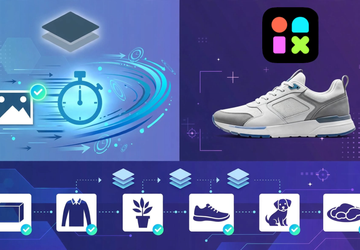
Employers Want Speed Without Sacrificing Accuracy
Hiring teams have long wanted background checks completed quickly, but speed is becoming increasingly important in competitive recruiting environments. Lengthy screening processes can delay start dates and create opportunities for qualified candidates to accept competing offers.
The challenge for HR departments is distinguishing efficient screening from screening that simply prioritizes speed. A fast result provides little value if it is incomplete, inaccurate, or difficult to interpret.
HR leaders should evaluate turnaround time on a service-by-service basis rather than relying on a provider’s overall average. Employment verification, courthouse searches, international screening, education verification, and professional licensing checks may have very different completion timelines because they rely on different sources.
The best screening processes make delays visible rather than hiding them. HR teams should be able to see what has been completed, which searches remain outstanding, and whether additional candidate information is required.
AI Is Creating Opportunities and New Screening Questions
Artificial intelligence is affecting both sides of the hiring process. Employers use automation and AI-enabled technology to streamline recruiting tasks, while candidates can use generative AI to improve resumes, prepare for interviews, and produce polished application materials.
These capabilities are encouraging employers to think more carefully about how qualifications and identities are verified. At the same time, organizations need to examine how their own screening and hiring technologies use algorithms.
Automated tools may influence matching, prioritization, assessments, or other employment-related decisions. That makes transparency increasingly important for HR and legal teams.
Before adopting AI-enabled screening technology, employers should ask vendors:
- What decisions does the technology automate?
- What data is used by the system?
- Can HR professionals review or override results?
- How does the provider test the system for accuracy?
- How are potentially incorrect results challenged?
- Can the provider explain how recommendations or scores are produced?
Technology can make screening more efficient, but employers still need enough visibility to understand how important employment decisions are being supported.
Screening Programs Are Becoming More Role-Specific
Another trend is moving away from identical screening packages for every position. A universal package may result in unnecessary searches for some jobs while failing to address meaningful risks associated with others.
HR departments are increasingly able to configure screening requirements according to job duties, location, industry, and organizational policy. A driving position, for example, may require motor vehicle records, while a regulated healthcare role may require professional license or sanctions checks.
Common screening components may include:
- Criminal history searches
- Employment verification
- Education verification
- Motor vehicle records
- Professional license verification
- Drug and health screening where appropriate
- International screening
- Position-specific regulatory searches
Role-specific packages can make screening programs easier to manage and justify. The important point is that screening should be designed intentionally. More screening does not automatically mean better screening.
Global and Remote Hiring Are Adding Complexity
Remote work has expanded the geographic reach of many recruiting programs. Employers can now consider candidates with work histories, education, credentials, and residences spread across multiple cities, states, and countries.
For HR teams, this makes vendor coverage increasingly important. Employers hiring across borders should understand where screening providers can conduct reliable checks, how different countries affect turnaround times, and what limitations apply to specific searches.
Organizations should also avoid assuming that a screening method available in one country will function the same way elsewhere. Data availability, privacy rules, employment practices, and verification methods can vary significantly by jurisdiction.
Global hiring therefore requires greater planning. Screening partners should be able to explain where they operate, which searches are available, and what employers should expect in each market.
Compliance Remains a Moving Target
Screening regulations continue to require close attention from employers operating across multiple jurisdictions. Fair chance and ban-the-box requirements can affect when criminal history information may be requested or considered.
Some jurisdictions also impose notice, assessment, or documentation requirements. This can make maintaining one consistent national screening workflow challenging for employers with locations in multiple states or cities.
HR leaders should periodically review screening procedures rather than assuming a policy written several years ago remains appropriate. Particular attention should be given to:
- Background check authorization procedures
- Pre-adverse and adverse action workflows
- Local fair chance requirements
- Restrictions involving certain types of records
- Candidate dispute procedures
- Documentation and record retention
Employers should work with qualified legal counsel when interpreting laws applicable to their specific operations. Screening vendors may provide useful tools and compliance resources, but employers remain responsible for making lawful hiring decisions.
Candidate Experience Is Becoming Part of Screening Strategy
Candidate experience is no longer separate from screening strategy. A background check may occur after a candidate has completed several interviews and is enthusiastic about joining the company.
That means a confusing screening process can undermine an otherwise positive recruiting experience. Repeated requests for information, unclear instructions, or long periods without updates can create frustration.
HR teams are increasingly looking for mobile-friendly forms, understandable instructions, clear status updates, and straightforward ways for candidates to provide additional information. These capabilities become particularly important for organizations hiring large numbers of employees or managing geographically distributed workforces.
Screening providers should also have procedures for candidates who believe information is inaccurate. A good candidate experience does not mean hiding relevant findings. It means giving individuals a clear, professional process for understanding and addressing information associated with them.
HR Technology Integration Continues to Drive Vendor Decisions
HR departments are under pressure to accomplish more without adding unnecessary administrative work. For that reason, integration between screening providers, applicant tracking systems, and human resources platforms continues to influence purchasing decisions.
Integrated workflows can reduce duplicate data entry and allow recruiters to order checks, review status information, and manage hiring tasks through fewer systems. Automation can also help ensure that the appropriate screening package is ordered based on predetermined job criteria.
However, employers should test integrations carefully. HR leaders should understand which information moves between systems, who can access sensitive results, how permissions are managed, and whether the integration creates a reliable audit trail.
A strong integration should simplify the hiring process without sacrificing visibility or control.
FAQ: Pre-Employment Screening in 2026
What are the biggest pre-employment screening trends this year?
Identity verification, AI oversight, global screening, role-specific screening packages, faster turnaround expectations, candidate experience, and technology integration are among the biggest trends HR leaders are watching.
Are background checks becoming more automated?
Yes. Many employers are using automation and integrations to streamline screening, although human oversight remains important when reviewing results and making employment decisions.
Why is identity verification becoming more important?
Remote hiring, AI-generated application materials, false credentials, and identity misrepresentation have increased the need to confirm that candidates are who they claim to be.
Should every employee receive the same background check?
Not necessarily. Screening should generally reflect job responsibilities, organizational policies, regulatory requirements, and applicable laws.
Are international background checks becoming more common?
Yes. As employers recruit remote and global talent, more candidates have employment, education, or residential histories spanning multiple countries.
How often should an employer review its screening policy?
Organizations should review their screening policies regularly and whenever laws, hiring locations, technology, screening services, or workforce needs change.
Building a Stronger Screening Strategy for the Future
The most important pre-employment screening trends HR leaders are watching point toward one broader change: screening is becoming a more integrated component of workforce risk management. Organizations increasingly want faster processes, stronger identity controls, better technology, greater visibility, and screening packages designed around actual job responsibilities.
HR leaders should use these developments as an opportunity to examine whether existing screening programs still serve their organizations effectively. That review should consider accuracy, turnaround times, regulatory requirements, candidate experience, technology integration, data security, international capabilities, and vendor support.
At the same time, employers should resist the assumption that newer technology automatically produces better hiring decisions. Automation and AI can improve efficiency, but organizations still need transparent procedures, thoughtful policies, and appropriate human judgment.
Ultimately, thorough pre-employment background checks should help an employer make informed decisions without introducing unnecessary complexity into the hiring process. By tracking emerging risks and regularly evaluating screening practices, HR leaders can build hiring programs that are more efficient, consistent, adaptable, and prepared for the changing workforce of 2026.