
Choosing the right waste compaction equipment can influence nearly every part of a facility’s waste management program, from labor demands and hauling frequency to sanitation and long-term operating costs. A stationary compactor may be ideal for facilities that generate large amounts of dry waste, while a self-contained model is generally better suited to wet, messy, or leak-prone materials. However, the best decision is not based on waste volume alone. Facility managers must also consider the waste stream, available space, loading process, collection schedule, regulatory requirements, and employee workflow. By evaluating these factors together, businesses can choose equipment that improves efficiency without creating unnecessary operational challenges.
Understanding the Main Difference Between Compactor Types
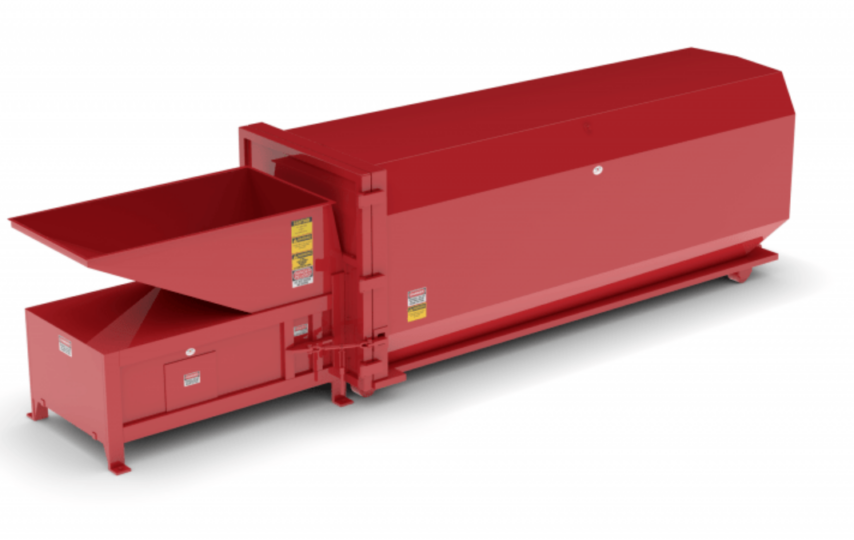
Stationary and self-contained compactors perform the same basic function by compressing waste into a smaller volume. The primary difference is how the compactor and receiving container are configured. With a stationary system, the compactor remains permanently secured at the facility while the detachable container is removed for hauling. With a self-contained system, the compactor and container form one sealed unit that is transported together. This structural difference determines which waste materials each system can handle safely and efficiently.
A stationary system is usually designed for dry waste, such as cardboard, paper, packaging, pallets, and general non-liquid trash. Because the compactor remains at the facility, employees can continue using it while a full container is being transported and replaced, provided another container is available. A self-contained unit is designed to keep liquids and wet materials enclosed during storage and transportation. It is often used for food waste, organic material, processing residue, and other waste streams that may leak. Understanding whether waste is primarily dry or wet is the most important first step in the selection process.
When a Stationary Compactor Makes Sense
A stationary compactor is commonly installed at warehouses, distribution centers, manufacturing plants, retail stores, fulfillment facilities, and other properties that produce high volumes of dry waste. These systems can efficiently process bulky materials that would otherwise occupy substantial space in open-top containers or traditional dumpsters. Compressing cardboard, plastic wrap, packaging, and general debris allows facilities to fit more material into each receiving container. This can reduce the number of pickups needed and help control hauling expenses. It may also create a cleaner and more organized waste collection area.
One of the key advantages of a stationary system is that the compaction equipment does not leave the facility when the container is hauled. This arrangement can be especially valuable for businesses that generate waste continuously and cannot afford extended interruptions. Facilities may also keep multiple detachable containers on-site to separate waste streams or support higher production periods. Depending on the configuration, the equipment can be loaded from the ground, through a wall, from a loading dock, or by using a chute. This flexibility makes stationary equipment adaptable to many industrial and commercial workflows.
A stationary model may be a strong option when a facility handles materials such as:
- Corrugated cardboard
- Paper and office waste
- Plastic packaging
- Wooden crates and pallets
- Manufacturing scraps
- Dry retail waste
- Non-liquid municipal solid waste
- Shipping and receiving debris
When a Self-Contained Compactor Is the Better Choice
A self-contained compactor is generally recommended when waste includes liquids, moisture, food residue, or other materials that could leak from a detachable container. The compactor and container are connected as a single sealed unit, helping contain fluids during compaction, storage, and transportation. This design can reduce the risk of wastewater entering loading areas, parking lots, drainage systems, or surrounding soil. It can also help facilities maintain cleaner waste areas and reduce odors. For operations handling organic or saturated waste, containment is often more important than maximum compaction capacity.
Restaurants, grocery stores, hospitals, hotels, food processing facilities, and cafeterias frequently rely on self-contained systems. These businesses may generate waste that breaks down quickly, attracts pests, or creates sanitation concerns when left exposed. A sealed compactor can help limit contact between employees and waste while supporting a more controlled disposal process. It may also reduce the need to clean leaks around conventional dumpsters and collection pads. In busy facilities, those sanitation benefits can improve both operational efficiency and the appearance of the property.
Self-contained compactors are commonly used for:
- Food scraps and spoiled products
- Wet packaging
- Organic waste
- Beverage residue
- Cafeteria waste
- Grocery store refuse
- Hospital kitchen waste
- Processing materials containing moisture
Compare the Waste Stream Before Comparing Equipment Sizes
Some facilities begin the selection process by comparing equipment dimensions or container capacities. Although size matters, waste characteristics should be reviewed first because the wrong compactor type can create leaks, sanitation problems, equipment damage, or hauling complications. A high-volume facility may still need a self-contained unit if its waste is wet. Likewise, a smaller facility may benefit from a stationary system if it regularly handles bulky cardboard and packaging. The material entering the compactor should drive the initial equipment category.
Facility managers should conduct a waste audit before choosing a system. This process may include reviewing the types of materials generated, estimating daily and weekly volumes, identifying seasonal changes, and determining how much moisture is present. It is also important to note which departments generate the waste and how employees currently transport it to the disposal area. A detailed audit can reveal whether one compactor is sufficient or whether separate systems are needed for dry and wet materials. This prevents the facility from selecting equipment based on assumptions rather than actual operating conditions.
Evaluate Space, Access, and Site Layout
Compactor installation requires more than an open area behind a building. The site must accommodate the equipment, container movement, service access, electrical connections, employee loading routes, and collection vehicles. A stationary system requires room for the detachable container to be pulled away from the compactor. A self-contained unit requires enough clearance for the complete machine to be loaded onto a collection vehicle. Tight alleys, overhead obstructions, limited turning areas, and sloped pavement may affect which configurations are practical.
The loading method should also match the facility’s existing workflow. Ground-fed units may work well for employees transporting waste by cart, while dock-fed systems can support warehouses and manufacturing plants. Through-the-wall installations can allow employees to load waste without leaving the building. Chute-fed systems may be appropriate for multistory properties, hotels, hospitals, and apartment buildings. A well-planned layout reduces unnecessary handling and makes it easier for employees to follow waste management procedures consistently.
Consider Sanitation, Odor, and Pest Control
Waste equipment should support the facility’s sanitation standards rather than create new cleaning responsibilities. Dry waste can still attract pests when it contains small amounts of food residue, but wet waste presents a greater risk of odors, insects, rodents, and bacterial growth. Self-contained systems provide stronger liquid containment and may be paired with features designed to manage odors or simplify cleaning. Stationary systems are easier to maintain when they are limited to appropriate dry materials. Mixing wet waste into a stationary container can lead to leakage around the connection point and collection area.
Facilities should also consider how long waste remains onsite before pickup. A unit that is hauled frequently may create fewer odor concerns than one that stores organic material for extended periods. Climate can further influence this issue, especially in warm environments where food waste decomposes rapidly. Cleaning schedules, employee training, and loading procedures should be included in the equipment plan. Selecting the correct system is important, but ongoing sanitation practices are still necessary to maintain a safe waste area.
Review Hauling Frequency and Operating Costs
Compactors can reduce waste volume, but the financial value depends on disposal rates, hauling fees, container capacity, and the amount of material generated. A stationary system can lower pickup frequency for dry, bulky waste because the detachable container can hold substantially more compacted material than a standard dumpster. A self-contained model can also reduce pickups, although its design prioritizes liquid containment and sanitation. Facilities should compare the total cost of ownership rather than focusing only on the purchase or lease price. Maintenance, installation, electrical use, hauling arrangements, and employee labor all affect long-term costs.
The weight of compacted material must also be monitored. Reducing volume does not reduce weight, and overloading a container may result in added hauling charges or transportation issues. Facilities should work with their waste service provider to determine appropriate container sizes and pickup thresholds. Some operations benefit from fullness monitoring systems that notify staff when a container is approaching capacity. Better scheduling can prevent overflow while avoiding pickups of partially filled containers.
Factor in Safety and Employee Workflow
The right compactor should make waste handling safer and easier for employees. Poorly positioned equipment can require workers to travel long distances, lift materials unnecessarily, or operate in vehicle traffic areas. Loading openings should be placed at a practical height and fitted with appropriate guards, gates, controls, and emergency stops. Employees should receive training on acceptable materials, lockout procedures, and safe loading practices. Clearly posted signage can help prevent prohibited items from entering the equipment.
Workflow efficiency is particularly important in facilities with multiple shifts or high production volumes. Employees are more likely to use waste equipment correctly when it is conveniently located and simple to operate. Managers should observe current waste movement before finalizing the installation area. They should also consult maintenance, safety, operations, and waste hauling teams during the planning process. A system that works well for one department should not create hazards or delays for another.
Frequently Asked Questions
Can wet waste go into a stationary compactor?
Stationary equipment is generally intended for dry waste. Wet or liquid-heavy materials can leak between the compactor and detachable container, creating sanitation and environmental concerns.
Are self-contained compactors only for restaurants?
No. They are also used by grocery stores, hospitals, hotels, food processors, schools, cafeterias, and other facilities that generate wet or organic waste.
Which type of compactor holds more waste?
Capacity depends on the specific model and container size. Stationary systems are often selected for large volumes of bulky dry waste, while self-contained units balance compaction with liquid containment.
Can one facility need both compactor types?
Yes. A large facility may use a stationary unit for cardboard and dry packaging while using a self-contained unit for food waste or wet processing materials.
How often should a compactor be serviced?
Service frequency depends on usage, material type, equipment age, and manufacturer recommendations. High-use systems should receive routine inspections and preventive maintenance to reduce unexpected downtime.
Do compactors eliminate waste hauling costs?
No. Compactors can reduce hauling frequency, but facilities still pay for transportation and disposal. The savings depend on waste volume, local rates, and the efficiency of the hauling schedule.
Should a facility buy, lease, or rent a compactor?
The right option depends on budget, expected usage, maintenance preferences, and long-term facility plans. Facilities should compare total costs and contract terms before deciding.
Choose a Compactor Based on How Your Facility Operates
The decision between a self-contained unit and a stationary compactor should reflect the facility’s actual waste stream, layout, workflow, sanitation needs, and hauling program. Stationary systems are typically the stronger choice for high volumes of dry materials, especially cardboard, packaging, and manufacturing debris. Self-contained systems are better suited to wet, organic, or leak-prone waste that requires sealed containment. Equipment size and price are important, but they should be considered only after the waste type and operational requirements are clearly understood.
A comprehensive waste audit and site review can help facility managers avoid costly equipment mismatches. Input from employees, safety professionals, maintenance teams, and waste hauling providers can further improve the decision. The right compactor can reduce container overflow, improve cleanliness, lower handling demands, and create a more predictable collection schedule. It can also support broader waste reduction and sustainability goals by making material streams easier to manage. When the equipment is matched to the facility rather than selected from a generic specification, it becomes a practical part of daily operations instead of another maintenance concern.