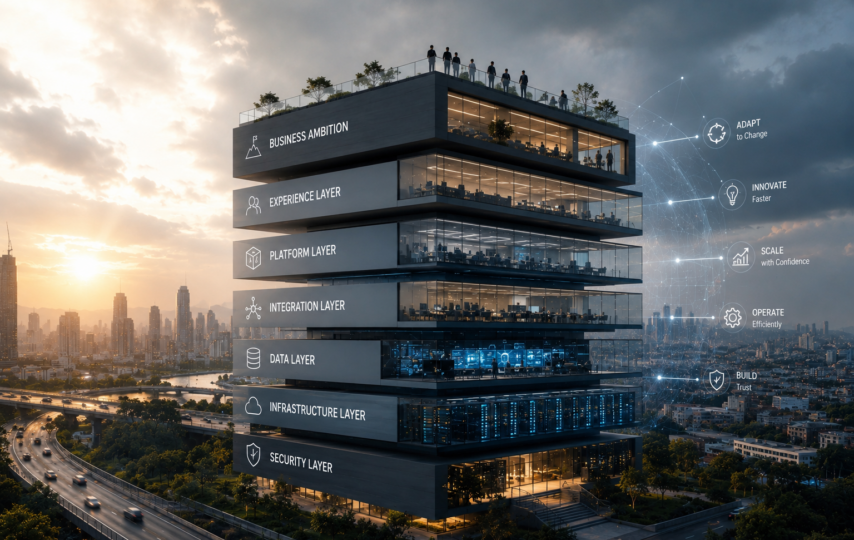

In today’s digital-first economy, technology is no longer just a support function—it is the foundation of business growth. Organizations of every size rely on their IT infrastructure to power operations, connect with customers, analyze data, and drive innovation. However, rapid expansion often exposes weaknesses in outdated systems that were never designed to support long-term growth.
This is where resilient IT architecture becomes essential.
A resilient IT ecosystem is designed not only to withstand disruptions but also to adapt to changing business demands. Whether a company is expanding into new markets, adopting artificial intelligence, or embracing hybrid work, resilient infrastructure provides the flexibility needed to grow without sacrificing security or performance.
What Is IT Resilience?
IT resilience refers to the ability of an organization’s technology systems to continue operating during unexpected events while recovering quickly from failures. Unlike traditional IT environments that focus solely on preventing downtime, resilient systems assume disruptions will happen and prepare accordingly. Modern resilience combines redundancy, automation, security, and disaster recovery into a unified strategy.
A resilient ecosystem protects businesses from:
- Hardware failures
- Cybersecurity attacks
- Natural disasters
- Human errors
- Network outages
- Cloud service interruptions
The goal is simple: maintain business continuity regardless of the challenge.
Why Scalability and Resilience Go Hand in Hand
Business growth creates new technical demands. More customers generate more traffic, additional employees require greater collaboration, and expanding operations produce larger volumes of data.
Without scalable infrastructure, organizations often experience:
- Slower application performance
- Increased downtime
- Security vulnerabilities
- Higher operational costs
- Poor customer experiences
Scalable IT architecture ensures that infrastructure grows alongside the business rather than becoming a bottleneck. Cloud-native designs, distributed systems, and automated resource management help organizations respond quickly to changing workloads while maintaining resilience.
The Core Components of a Resilient IT Ecosystem
1. Cloud-First Infrastructure
Modern businesses increasingly rely on cloud platforms because they provide flexibility, scalability, and built-in redundancy.
Benefits include:
- Elastic computing resources
- Automatic scaling
- Geographic redundancy
- Faster disaster recovery
- Reduced infrastructure costs
Hybrid and multi-cloud strategies further reduce dependence on a single provider while improving resilience.
2. Cybersecurity by Design
Security should never be an afterthought.
Modern IT ecosystems integrate cybersecurity into every layer of infrastructure through:
- Zero Trust architecture
- Multi-factor authentication
- Continuous monitoring
- Endpoint protection
- Network segmentation
- Regular vulnerability assessments
Building security directly into infrastructure reduces organizational risk and improves regulatory compliance.
3. Data Protection and Backup
Data remains one of an organization’s most valuable assets.
A resilient ecosystem includes:
- Automated backups
- Immutable storage
- Geographic replication
- Version control
- Rapid recovery systems
These measures ensure businesses can restore operations quickly after ransomware attacks or hardware failures.
4. Network Reliability
Business applications depend on fast, secure, and reliable connectivity.
Modern networks use:
- Software-defined networking (SDN)
- Load balancing
- Intelligent routing
- Multiple internet connections
- Continuous monitoring
These technologies minimize downtime and optimize performance.
5. Automation
Manual processes increase operational risk.
Automation improves resilience by handling:
- System updates
- Security patching
- Infrastructure provisioning
- Performance monitoring
- Incident response
- Resource allocation
Automation also reduces human error while increasing operational efficiency.
The Business Value of Resilient Architecture
Resilience extends far beyond technical performance.
Organizations with resilient IT ecosystems often experience:
Improved Customer Experience
Reliable digital services create customer trust. Whether operating an e-commerce platform or delivering cloud software, uninterrupted availability directly impacts customer satisfaction.
Lower Operational Costs
Although resilient systems require strategic investment, they reduce long-term expenses associated with downtime, emergency repairs, and lost productivity.
Faster Innovation
Flexible infrastructure enables development teams to launch new products, test ideas, and scale applications without rebuilding core systems.
Better Regulatory Compliance
Industries such as healthcare, finance, and legal services face strict data protection requirements.
Resilient IT systems simplify compliance through secure storage, monitoring, auditing, and backup capabilities.
Building an IT Ecosystem for Future Growth
Creating resilient architecture involves more than purchasing new hardware.
Organizations should begin by assessing existing infrastructure.
Key questions include:
- Can current systems handle future demand?
- Are there single points of failure?
- How quickly can systems recover after an outage?
- Are backups regularly tested?
- Is cybersecurity integrated across all platforms?
The answers reveal where modernization efforts should begin.
The Role of Strategic IT Planning
Technology investments should align with long-term business objectives.
Instead of reacting to problems, organizations benefit from developing a strategic roadmap that includes:
- Infrastructure modernization
- Cloud migration
- Cybersecurity improvements
- Network optimization
- Disaster recovery planning
- Employee training
Long-term planning creates technology environments capable of supporting sustained business growth.
Why Expert Guidance Matters
Designing resilient infrastructure requires specialized knowledge across networking, cybersecurity, cloud computing, and business continuity.
Many organizations choose experienced IT Companies Miami to evaluate their current environments, identify weaknesses, and implement scalable solutions tailored to their operational goals.
Working with experienced technology professionals helps businesses avoid costly mistakes while accelerating digital transformation initiatives.
Common Mistakes That Reduce IT Resilience
Even organizations investing heavily in technology sometimes overlook critical resilience factors.
Common mistakes include:
- Relying on a single server
- Ignoring backup testing
- Delaying software updates
- Weak password policies
- Poor network segmentation
- Lack of disaster recovery documentation
- Inadequate employee cybersecurity training
Addressing these issues significantly strengthens organizational resilience.
Emerging Technologies Supporting Resilience
Technology continues evolving rapidly.
Several innovations are reshaping resilient IT architecture:
Artificial Intelligence
AI helps detect anomalies, automate incident response, predict failures, and optimize infrastructure performance.
Edge Computing
Processing data closer to users reduces latency while improving application reliability.
Infrastructure as Code
Infrastructure can be deployed consistently using automated code, reducing configuration errors and improving disaster recovery.
Predictive Analytics
Advanced monitoring platforms analyze historical data to identify performance trends before they become major issues.
These technologies help organizations become more proactive rather than reactive.
Preparing for Tomorrow’s Digital Challenges
Business environments continue changing at an unprecedented pace. Remote work, cloud adoption, cybersecurity threats, and digital customer expectations all require infrastructure capable of evolving continuously.
Organizations that prioritize resilience today position themselves for sustained success tomorrow. Instead of constantly responding to technical failures, they can focus on innovation, customer engagement, and strategic growth.
Businesses seeking trusted guidance from experienced IT Companies Miami can benefit from expert assessments, scalable infrastructure planning, and proactive technology strategies that support long-term operational resilience.
Conclusion
The architecture of resilience is no longer optional. It has become a competitive advantage for organizations seeking sustainable growth in an increasingly digital world.
By combining scalable infrastructure, robust cybersecurity, cloud technologies, automation, and proactive planning, businesses create IT ecosystems capable of adapting to change while maintaining uninterrupted operations.
Organizations that invest in resilient architecture today will be better prepared for tomorrow’s opportunities, ensuring technology remains an enabler of growth rather than a limitation.