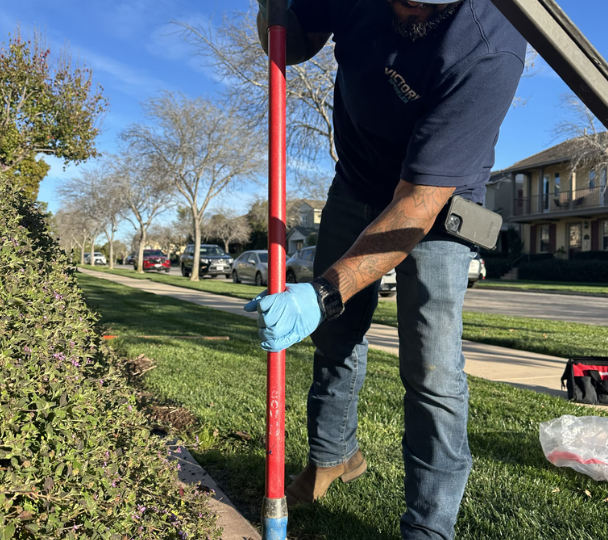

Understanding the Importance of a Reliable Irrigation System
A properly designed irrigation system plays a significant role in maintaining healthy landscapes, conserving water, and ensuring that plants receive the right amount of moisture throughout different seasons. Sprinklers are built to provide consistent coverage, but regular use can gradually affect their performance because of damaged components, clogged nozzles, leaking pipes, and outdated settings. Without proper care, even an advanced irrigation system can lose efficiency and create unnecessary water waste. Regular inspections and timely improvements help prevent common problems while extending the overall life of the equipment. Understanding the importance of sprinkler system maintenance allows property owners to protect their investment and keep their watering systems operating effectively.A well-functioning irrigation system supports healthier grass, plants, and outdoor spaces by delivering water evenly across the landscape. Uneven watering can result in dry areas, excessive moisture, and increased maintenance requirements. Many irrigation problems begin with small issues that are difficult to notice, such as a slightly damaged sprinkler head or a minor underground leak. When these concerns are ignored, they can develop into larger repairs that require more time and money. Consistent attention and proper care help maintain efficiency while reducing the chances of unexpected failures.
Essential Components That Require Regular Inspection
An irrigation system includes several important parts that must work together to achieve reliable performance. These components include sprinkler heads, valves, pipes, filters, controllers, and sensors. Each part has a specific function, and damage in one area can affect the operation of the entire system. For example, a blocked sprinkler head may prevent proper water coverage, while a damaged valve may stop a specific zone from working correctly. Regular inspections help identify these issues early and allow repairs to be completed before serious damage occurs. Effective sprinkler system maintenance ensures that every component continues to perform its role properly.Checking irrigation equipment regularly provides useful information about system efficiency and overall condition. Sprinkler heads should be inspected for cracks, blockages, and incorrect positioning because these problems can reduce water distribution. Pipes and valves should also be checked for leaks, pressure changes, and signs of damage. Filters require cleaning because dirt and debris can restrict water flow and reduce performance. A detailed maintenance routine helps prevent problems and ensures that the irrigation system continues providing dependable results throughout the year.
Inspecting Sprinkler Heads for Better Water Coverage
Sprinkler heads are among the most important components because they control how water reaches plants and grass. Over time, these parts can become damaged due to lawn equipment, weather conditions, soil movement, or regular usage. A damaged sprinkler head may create uneven spray patterns, causing some areas to receive too much water while other sections remain dry. Checking each sprinkler head regularly helps maintain balanced coverage and improves the efficiency of the entire system. Small adjustments can make a noticeable difference in water distribution.Cleaning sprinkler heads is another important task that should not be overlooked. Dirt, grass particles, and mineral deposits can collect around nozzles and affect spray performance. When water flow becomes restricted, plants may not receive enough moisture, and the system may use more water than necessary. Proper sprinkler system maintenance includes cleaning, adjusting, and replacing damaged parts when needed. These simple steps help improve performance and prevent avoidable issues.
Maintaining Correct Water Pressure Levels
Water pressure has a major influence on irrigation performance because sprinklers depend on balanced pressure to distribute water correctly. Low pressure can prevent sprinklers from reaching the required areas, resulting in poor coverage and unhealthy landscapes. High pressure can also create problems by producing fine mist that evaporates quickly before reaching the soil. Maintaining proper pressure levels ensures efficient water delivery and reduces unnecessary waste.Pressure problems can occur because of leaks, clogged filters, damaged valves, or changes within the water supply system. Identifying the cause of pressure changes is important because adjusting sprinkler settings alone may not solve the issue. Regular inspections help detect pressure-related concerns before they affect system performance. A professional evaluation combined with routine sprinkler system maintenance can improve efficiency and support long-term reliability.
Adjusting Controllers and Smart Irrigation Settings
The controller is the central operating unit of an irrigation system because it manages watering schedules, timing, and frequency. Many systems continue operating with outdated settings even when weather conditions and landscape requirements have changed. This can lead to unnecessary watering, increased costs, and poor plant health. Reviewing controller settings regularly helps ensure that watering schedules match current needs.Modern technology has introduced smart controllers, moisture sensors, and automated monitoring systems that make irrigation management easier. These tools can improve efficiency by adjusting watering schedules based on environmental conditions. However, advanced equipment still requires proper setup and regular evaluation to perform effectively. Combining smart technology with professional sprinkler system maintenance creates a balanced approach that improves water management and system reliability.
Detecting Leaks and Preventing System Damage
Leaks are among the most common problems that affect irrigation systems. Some leaks are visible, while others occur underground and remain unnoticed for long periods. Warning signs may include wet areas, reduced water pressure, damaged plants, or increased water usage. Ignoring these problems can result in landscape damage and higher operating expenses.Regular inspections help identify leaks before they become major concerns. Valves, pipe connections, and underground lines should be checked carefully to maintain proper operation. Repairing small leaks quickly prevents further damage and improves overall efficiency. A consistent maintenance plan protects the equipment and reduces the possibility of expensive repairs in the future.
Seasonal Adjustments for Better Performance
Different seasons create different watering requirements, which makes proper adjustments necessary for efficient irrigation. During warmer periods, plants may require additional water, while cooler conditions usually require reduced watering schedules. Failing to update settings can lead to overwatering or insufficient moisture levels. Seasonal preparation ensures that the system continues meeting landscape needs throughout changing weather conditions.Regular sprinkler system maintenance includes seasonal inspections, controller adjustments, cleaning, and component checks. Creating a planned schedule makes it easier to monitor system performance and identify areas requiring attention. Preventive care is always more effective than waiting until equipment fails completely. A consistent approach improves reliability and extends the lifespan of irrigation components.
Benefits of Professional Irrigation Support
While some basic tasks can be completed by property owners, professional services provide valuable knowledge and experience for complex irrigation problems. Skilled technicians can inspect the entire system, identify hidden issues, and recommend suitable solutions. They use specialized tools to evaluate performance and complete repairs accurately. Professional assistance can be especially helpful when dealing with electrical problems, underground leaks, or outdated equipment.Regular expert evaluations help maintain system efficiency and reduce long-term expenses. Professionals can also suggest upgrades that improve water conservation and overall performance. Combining expert support with routine personal inspections creates a complete care strategy. This approach ensures that irrigation systems continue working efficiently and provide reliable results.
Improving Efficiency Through Proper System Care
An efficient irrigation system offers many benefits, including healthier landscapes, reduced water waste, and improved operating costs. Proper care ensures that every component works together to provide consistent results. Fixing small issues such as leaks, clogged nozzles, or incorrect settings can significantly improve performance. A system that receives regular attention remains dependable and effective.Investing in regular care protects irrigation equipment and prevents unexpected problems. Sprinkler system maintenance is an important part of preserving system efficiency because it helps identify issues before they become serious. With proper inspections, adjustments, and repairs, irrigation systems can continue supporting attractive landscapes for many years.
Conclusion: Creating a Long-Lasting Irrigation Solution
Maintaining an irrigation system requires regular attention, proper planning, and timely repairs. Small maintenance tasks completed consistently can prevent expensive failures and improve overall performance. From checking sprinkler heads to updating controllers and repairing leaks, every step contributes to better water management and healthier outdoor spaces.A reliable irrigation system is achieved through continuous care and responsible management. By following a structured maintenance routine and seeking professional assistance when required, property owners can protect their equipment and achieve better results. Effective sprinkler system maintenance provides long-term value by improving efficiency, reducing waste, and ensuring dependable operation throughout the year.