Introduction
Consumers encounter thousands of brand touchpoints every day, making it difficult for traditional advertising to break through. Businesses looking to drive genuine engagement are turning to experiential marketing to create memorable, participatory encounters that stand out from standard ads. These immersive activations allow consumers to interact with a brand in a physical or sensory way, deepening emotional connections and building long-term loyalty. Many brands partner with promotional marketing companies to plan and execute these tailored experiences, ensuring events are creative, scalable, and data-driven for maximum return on investment. The movement towards engagement-centered marketing comes as consumers increasingly seek unique brand moments to share both in person and online. With competition rising across industries, companies are leveraging experiential campaigns to differentiate themselves from the noise and foster a sense of community around their offerings.
The Rise of Experiential Marketing
Experiential marketing has evolved from simple in-store demos and street teams to intricate, multimedia campaigns that merge live and digital engagement. According to recent Adweek insights, spending on brand experiences is at an all-time high as companies prioritize emotional resonance and authentic storytelling. The shift is particularly motivated by the desire to build relationships with consumers who are increasingly wary of impersonal, one-way advertising. The global pandemic accelerated innovation in this space, prompting brands to devise safe, interactive events using both digital and physical formats. As restrictions eased, this hybrid approach remained a favored tactic, offering scalable ways to reach local and global audiences simultaneously.
Integrating Physical and Digital Experiences
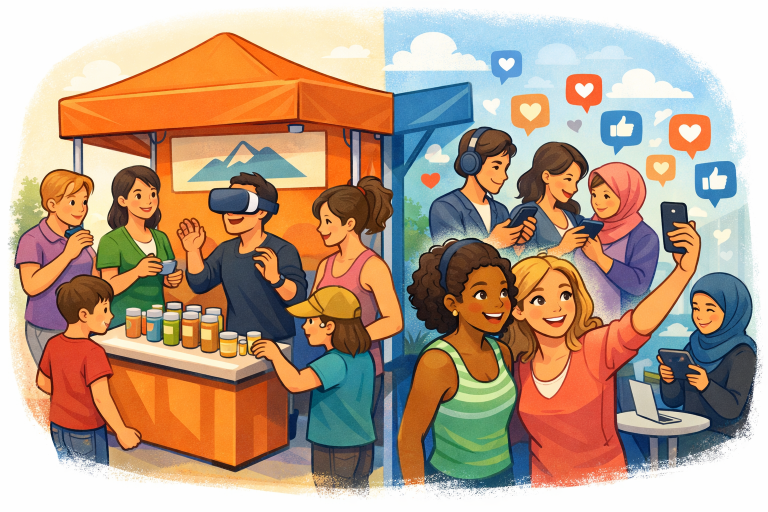
Modern experiential campaigns blend physical activations with digital platforms to reach wider audiences while maintaining authenticity. For example, a brand might host a pop-up installation in a major city, allowing visitors to participate, sample products, or interact with technologies such as augmented reality. These real-world encounters are often amplified through dedicated hashtags, live streaming, and digital contests to encourage sharing and user-generated content. The result is an ecosystem in which consumers move fluidly between offline and online channels, spreading brand awareness and building social proof. This approach enables brands to gather valuable data on engagement and sentiment, which is instrumental in optimizing future campaigns and refining audience targeting strategies.
Data-Driven Strategies for Measuring Success
In the age of accountability, brands can no longer rely on anecdotal feedback to gauge the impact of experiential marketing. Instead, technology enables the collection of robust metrics such as attendee numbers, time spent engaging, social amplification, and sentiment analysis. Tracking systems, unique QR codes, and event apps can provide real-time insights, facilitating on-the-fly adjustments to improve outcomes. Post-event surveys, social listening tools, and analytics dashboards help marketers translate activations into measurable results tied to brand lift and conversion goals. By connecting experiential data with broader marketing funnels, businesses can justify their investments and cultivate strategies grounded in proven consumer behaviors.
Case Studies of Successful Campaigns
One standout example comes from Mars’ M&M’s brand, which partnered with the reality television phenomenon “Love Island USA” to launch a set of co-branded, limited-edition products. By aligning with a cultural touchstone, the campaign bridged physical sampling with digital fan engagement, driving greater brand buzz and increased product trial. Another widely cited case is Nike’s “House of Innovation,” where the company used interactive displays, custom product builds, and app integration to blend real-world excitement with tech-forward shopping experiences.
These campaigns illustrate how blending multi-layered engagement, both offline and online, can dramatically increase reach and impact.
Challenges and Considerations
Despite its many benefits, experiential marketing can present obstacles. Crafting experiences that feel authentic and relevant to local communities requires in-depth research and close attention to cultural nuance. Mistargeted or poorly executed activations can backfire and erode trust. Measuring non-tangible results, such as the emotional resonance of an event, is another ongoing challenge for marketers.
Brands must also contend with logistical hurdles, such as securing prime event locations, ensuring health and safety compliance, and coordinating with vendors, partners, and digital channels. Consistency across all touchpoints is essential for creating a cohesive brand image, and ongoing investment in measurement tools is required to demonstrate value effectively.
Future Trends in Experiential Marketing
New technologies and uncompromising consumer expectations for personalization will shape the next evolution of experiential marketing. Advances in augmented reality and virtual reality will offer brands unprecedented ways to immerse audiences in virtual worlds and interactive simulations. Artificial intelligence is also poised to transform events through real-time customization and smarter, data-driven recommendations. Personalization will take center stage as brands leverage behavioral insights and audience preferences to tailor experiences at the individual level. Sustainability will play an increasingly important role, with consumers valuing eco-conscious design and responsible sourcing as part of their event experience. For further analysis on emerging trends, Forbes provides valuable coverage of industry shifts.
Conclusion
Experiential marketing is steadily becoming the backbone of brand engagement strategies, surpassing traditional advertising in its ability to create lasting impressions and foster brand advocates. By integrating physical and digital tactics, brands can meet consumers wherever they are and offer memorable, measurable experiences. By embracing data-driven insights and innovating with technology, businesses can ensure their marketing investments drive deep, authentic connections in a crowded, competitive landscape.