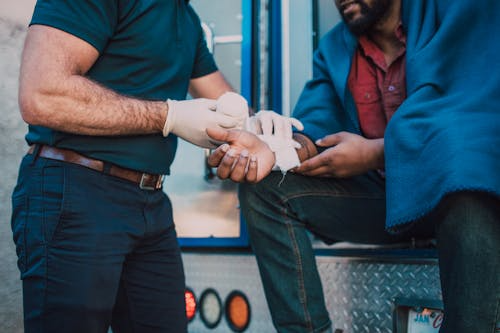

A public event can turn a regular weekend into something people remember. Families show up with kids. Friends meet near the food tents. Neighbors stop to talk. Then one unsafe walkway, a loose cord, poor lighting, or a sudden crowd problem can change the day fast.
When someone is hurt at a festival, concert, fair, or community gathering in Boynton Beach, the first question is usually simple: who is responsible? The answer often takes time. Public events may involve property owners, event planners, vendors, security teams, and outside contractors. A personal injury law firm Boynton Beach may consider who controlled the area, what safety measures were taken, and whether the injury could have been prevented.
Public Events Have Moving Parts
An accident at a store or restaurant may involve one property owner. Public events are different. Several groups may share the same space for one day or one weekend.
Common hazards include:
- Wet walkways near drink stations
- Uneven pavement or temporary flooring
- Cords crossing walking paths
- Poor lighting near exits or parking areas
- Crowded lines without enough space
- Loose tents, signs, tables, or barriers
- Security that does not match the crowd size
Some hazards are present before guests arrive. Others appear during the event. Timing can matter because liability often depends on whether someone knew, or should have known, about the danger and failed to fix it.
Who Could Be Liable?
Responsibility may fall on one party or several, depending on what happened.
Event organizers may be responsible for layout, staffing, crowd flow, and safety planning. If the setup forces people into unsafe areas, their decisions may be reviewed.
Property owners may have a duty to keep the space reasonably safe. This can include checking walkways, warning visitors about hazards, and repairing known problems.
Vendors can also create risks. A vendor might leave boxes in a walkway, spill grease, run cords across open space, or fail to secure equipment.
Security companies may be involved if a fight, crowd surge, or safety complaint was not handled in a reasonable manner.
Contractors may share fault when tents, stages, lights, fencing, or temporary flooring are installed poorly.
A personal injury law firm Boynton Beach can help sort through these roles when the facts are unclear.
Why Evidence Matters So Much
Event scenes change quickly. A spill gets cleaned. A booth comes down. Cables are moved. Staff leaves. By the next morning, the area may look completely different.
Helpful evidence may include:
- Photos of the hazard
- Video from phones, businesses, or event cameras
- Names and numbers of witnesses
- Incident reports
- Medical records
- Event maps or vendor layouts
- Security reports
The sooner this information is gathered, the easier it may be to understand what caused the injury.
Crowd Control Can Affect Safety
Crowds are expected at public events. That does not excuse poor planning. Walkways, entrances, exits, vendor lines, and parking areas should be arranged with safety in mind.
Problems may happen when guests are pushed into narrow paths, barriers block exits, or staff fail to respond when crowding becomes unsafe. Even slow crowd pressure can lead to falls, trips, or contact with equipment.
In these cases, the question is not whether the event was busy. The question is whether the crowd control safety plan made sense given the number of people expected.
Security Issues at Festivals and Concerts
Some public event injuries involve unsafe conduct by another person. These claims can be difficult because not every act can be predicted. Still, security choices may be reviewed when warning signs are ignored.
Important questions may include:
- Was alcohol served?
- Had similar incidents happened before?
- Were security workers placed in high-risk areas?
- Did staff respond to complaints?
- Were exits clear and monitored?
If the event had known risks and failed to take reasonable steps, security may become part of the liability review.
Florida Fault Rules May Affect a Claim
Florida uses a modified comparative negligence rule. Under Florida Statute § 768.81, a person found over 50 percent at fault for their own harm may not recover damages. If the fault is 50 percent or less, compensation may be reduced by that percentage.
This matters because an insurance company may argue that the injured person was distracted, ignored warnings, or entered a restricted area. Clear evidence can help answer those claims.
What To Do After an Injury
Medical care should come first. Some injuries feel manageable at the event but become worse later. Getting checked creates a record and protects your health.
After that, try to preserve what you can. Take photos. Report the injury to the staff. Ask for a written report. Save receipts, discharge papers, and follow-up instructions. Avoid guessing about the fault in recorded statements.
Conclusion
Public events should leave people with good memories, not medical bills and unanswered questions. If you were hurt at a festival, concert, fair, or community gathering, FK Legal can help you understand what may have gone wrong and who may be responsible.
To learn more, speak with a personal injury law firm Boynton Beach residents can turn to for guidance after an injury.
topics feel less overwhelming and more actionable, giving readers the knowledge they need to move toward better financial decisions with confidence.