
For years, growing a woodworking business usually meant finding a larger shop, hiring more craftspeople, and buying additional conventional equipment. That path still exists, but it’s no longer the only option. Small woodshops are discovering that digital tools can help a lean team complete more ambitious work without sacrificing the character that attracts customers in the first place.
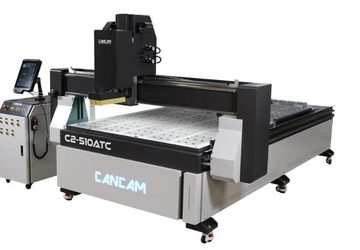
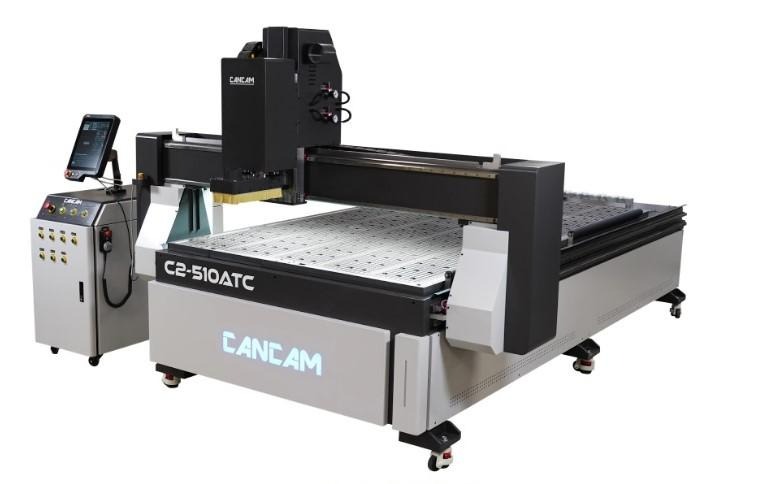
At the centre of this shift is often a wood CNC machine, which converts digital designs into precisely cut components. Instead of measuring and shaping every repeated part by hand, you can create a design file and use it to produce consistent pieces whenever needed. This doesn’t remove craftsmanship from the process. It gives skilled people more time for assembly, finishing, problem-solving, and the custom details that distinguish their work.
Digital Workflows Are Replacing Paper Patterns
Modern woodshops now begin projects on a screen. Computer-aided design software allows creators to develop products, test dimensions, adjust joinery, and show clients realistic renderings before cutting any material.
Once a design has been refined, the same digital file guides production by creating a connected workflow similar to the one used by a software company, where a product moves from concept to testing and then into repeatable delivery.
Similarly, digital files become valuable business assets. A successful cabinet layout, chair component, or decorative panel are all repeatable, and you can modify the existing design to accommodate different measurements, materials, or customer preferences.
Small Teams Can Operate at a Larger Scale
Automation changes what a few people can realistically produce in both industries. While a CNC system cuts a set of components, employees can prepare materials, assemble another order, apply finishes, or work directly with customers, just as a tech startup relies on automation tools to free up team members to multitask. Processes that once had to happen one after another can occur at the same time.
This added capacity can help you accept larger contracts without immediately expanding payroll. It also makes production schedules easier to predict. When cutting times and material requirements are known in advance, you can quote projects more accurately and give customers more reliable completion dates.
That predictability matters when competing for commercial work. Builders, designers, retailers, and property managers need suppliers who can deliver consistent products on schedule. A digitally equipped shop may be small, but it can offer the process control associated with a much larger manufacturer with a router that levels the playing field.
Prototyping Has Become Faster and Less Expensive
Tech startups rarely launch an idea without testing it first. Woodshops are adopting a similar approach by producing prototypes, gathering feedback, and improving designs before committing to a full production run.
Digital fabrication makes those experiments more practical. You can adjust a design file, cut a revised version, and compare the results without rebuilding templates or reconfiguring several pieces of equipment. Faster testing can lead to better products while reducing the cost of unsuccessful ideas.
It also opens the door to more flexible sales models. A business might test a new product through its online store, manufacture small batches as orders arrive, and increase production only after demand has been proven. This helps protect cash flow and prevents unsold inventory from consuming valuable space.
Data Is Becoming Part of the Craft
Modern production tools give shop owners more information about cutting time, material use, job progress, and machine performance. Tracking these details can reveal where waste occurs and which products generate the best return for the resources involved.
The most successful small woodshops will still depend on creativity, material knowledge, and skilled hands. Their advantage will come from pairing those strengths with systems that make the business faster, more consistent, and easier to scale. If you run a woodshop, start looking for one repetitive production bottleneck that technology could remove. Solving it may create more room for the craftsmanship your customers actually value.