
Image credit: Xreal
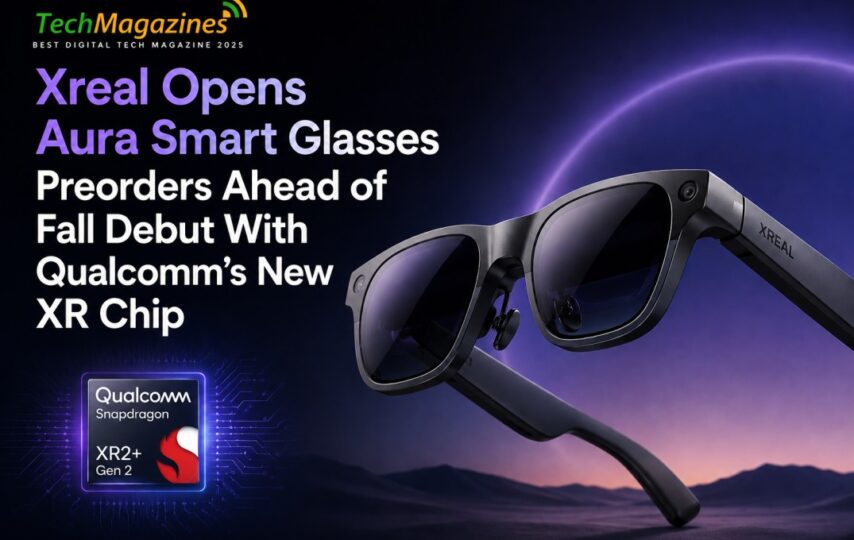
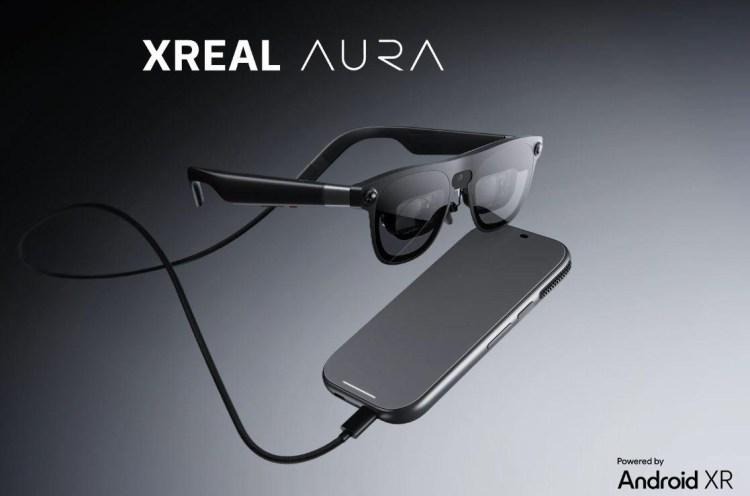
Xreal plans to release its Android XR Aura glasses this fall. Rather than relying on a bulky headset, the system divides the hardware between lightweight glasses and a processor unit small enough to fit in a pocket. What is surprising is that the chip inside may outclass the one used in Samsung’s Galaxy XR.
Qualcomm’s newest platform also hints that the next generation of VR devices will place far greater weight on artificial intelligence than their predecessors. At the Augmented World Expo in Long Beach, Qualcomm introduced the Snapdragon Reality Elite, the latest member of its extended reality lineup. It succeeds the processors that have powered products such as Samsung’s Galaxy XR and Meta’s Quest series.
According to the company, the new chip delivers graphics performance up to 60 percent higher, processor gains of up to 30 percent, and AI acceleration that can be as much as 160 percent faster than before. It is also built to support displays reaching 4.4K resolution for each eye, suggesting that future headsets and smart glasses will aim for both richer visuals and more capable on-device AI.
Why Artificial Intelligence Is Becoming Central to XR Devices
Qualcomm introduced the XR2 Plus Gen 2 in January 2024. Since then, the company has offered little that counted as a major step forward for virtual or augmented reality hardware. The new Snapdragon Reality Elite changes that. It also follows the Snapdragon Wear Elite, introduced earlier this year for watches and other small devices. That platform placed strong emphasis on AI, whether on the wrist or inside camera-equipped wearables and smart glasses.
How Xreal Aura Uses Android XR and Gemini
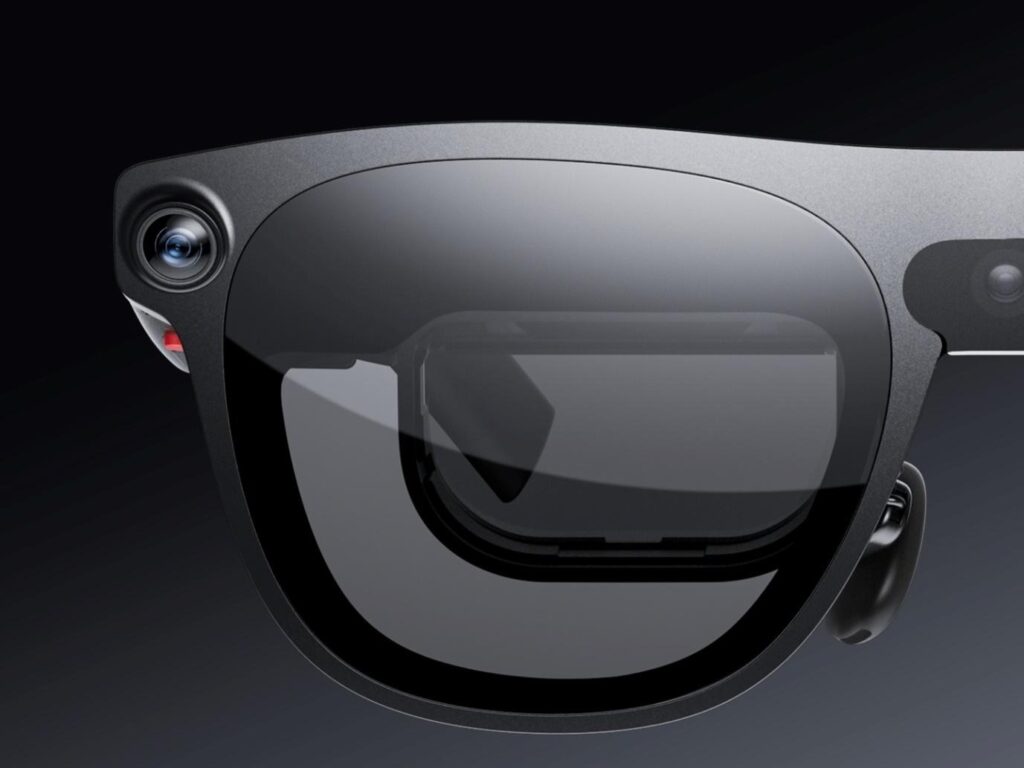
New Qualcomm chips often appear months before the hardware that uses them. This time the gap is much smaller. Xreal plans to ship the Snapdragon Reality Elite inside the processor unit that powers its Aura glasses, a device already shown in several public demonstrations.
Aura runs on Google’s Android XR software and makes broad use of Gemini for live analysis and assistance. In demonstrations, Google also showed the system generating code on the compact processor that connects to the glasses. The idea is simple. The glasses display the work while the pocket-sized unit handles the computing.
Many smart glasses already depend on phones and cloud-based AI for their main functions. Most VR headsets have not followed that path. That may not last. As headsets become lighter and resemble ordinary eyewear, AI will likely move to the centre of the experience. Xreal Aura points in that direction. It may also offer an early glimpse of the future Meta hopes to build.
Longer Usage and Cooler Designs Could Improve User Comfort
Qualcomm also says the new chip can extend battery life by about 20 percent when handling workloads similar to its predecessor. The increase is modest, but it still matters. Most modern VR headsets struggle to last much beyond two hours on a single charge. Even a small gain gives users more time before they must plug in again.
Slimmer Headsets Need Better Thermal Efficiency
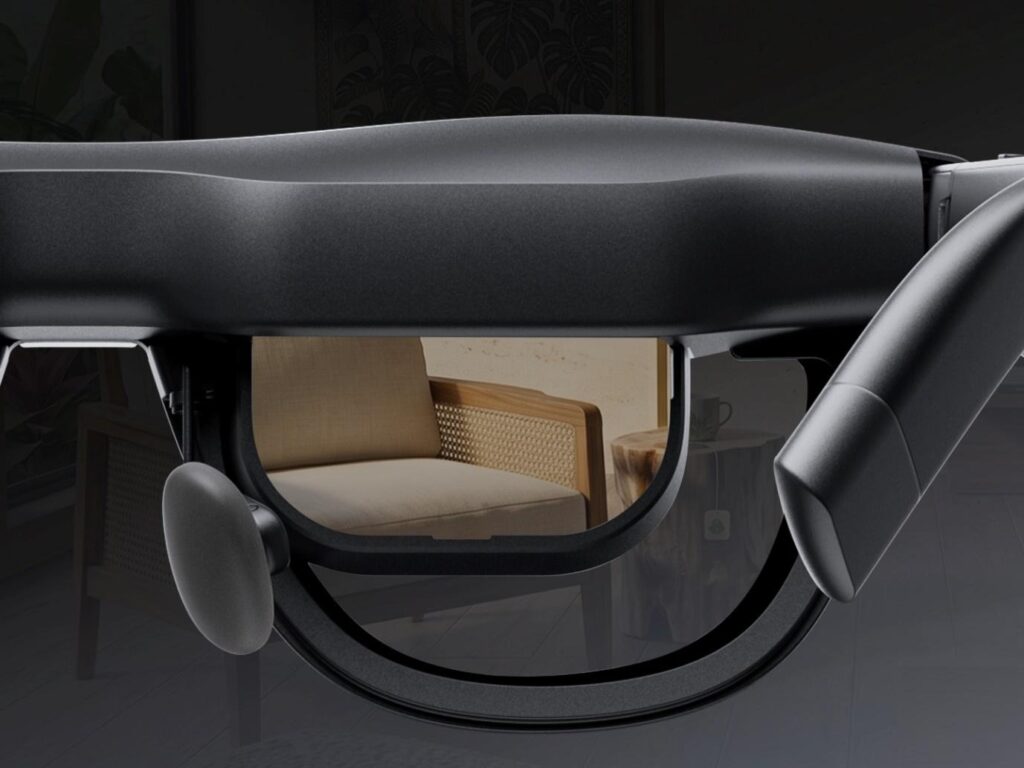
Lower heat may prove even more important. Manufacturers keep pushing these devices toward slimmer frames and lighter designs. Many now sit close against the face. They cannot rely on large vents or bulky cooling systems without sacrificing comfort.
The company also claims the processor can manage data from as many as 12 cameras or sensors at once, matching the capabilities of Samsung’s current Galaxy XR platform. That number seems generous until the tasks begin to pile up. Eye tracking, hand tracking, facial analysis, spatial mapping, and image capture all demand computing power. A modern headset often runs several of them at the same time. Qualcomm has also added support for Bluetooth 6 and Wi-Fi 7, giving future devices access to newer wireless standards.
Which Companies Could Adopt Qualcomm’s New XR Chip Next?
Xreal plans to launch Aura this fall. The company already accepts preorders through its website with a $99 deposit. It says early buyers will receive an extra $100 discount when the device ships and gain priority for delivery. The final retail price, however, remains unknown. Even so, Aura stands to become the first product built around Qualcomm’s Snapdragon Reality Elite platform.
Yet the larger story may lie beyond Xreal. Industry watchers expect ByteDance to use the same processor in its premium Pico Project Swan headset. Meta could follow with a future Quest model as well, perhaps within the next year or two. Neither company has confirmed those plans, but the possibility is difficult to ignore.
Should Buyers Wait for the Next Generation of VR Hardware?
Anyone considering a new VR headset may have reason to wait. The arrival of this chip could reshape the market in short order. Better performance, stronger AI capabilities, and improved efficiency promise meaningful gains rather than small refinements. On paper at least, the next wave of hardware looks more compelling than what is available today.
Final Words
Xreal Aura could be just another smart glasses release, but the technology within indicates something much bigger is in the works. The next generation of XR devices looks set to break away from incremental enhancements with Qualcomm’s new Snapdragon Reality Elite platform, which features upgraded graphics, faster AI processing and greater efficiency.
The Aura glasses also suggest a future in which the bulky headset is a thing of the past and lightweight wearables and pocket-sized processors become commonplace. If this vision becomes a reality, VR and AR may be much more accessible in everyday life. There are of course many questions to be answered, such as the price and the speed of the competition.
However, anyone looking for a VR headset these days should think twice before picking up their wallet. The next generation of devices may be just around the corner, and, unlike New Year’s resolutions, these improvements may actually come through.