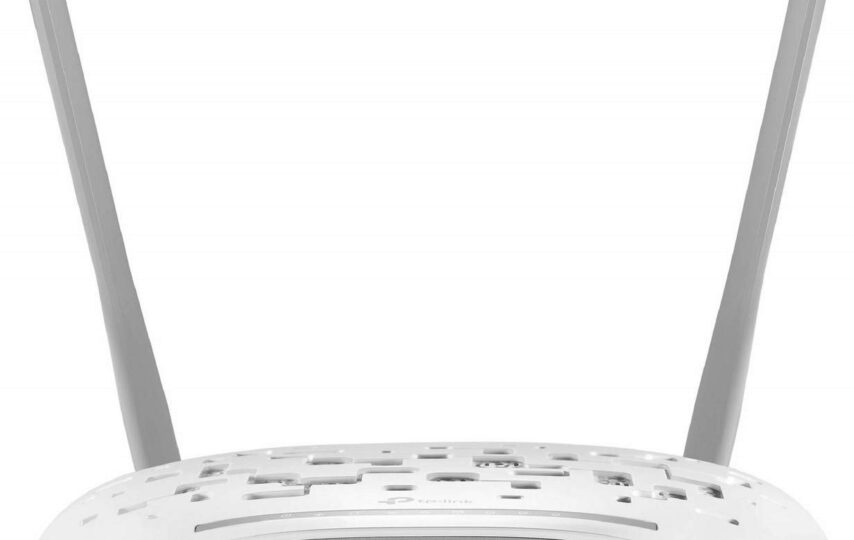

The evolution of router technology has introduced the 5G Router, a device promising enhanced speed and coverage compared to the traditional router. As the Internet and Technology landscape shifts towards faster and more reliable connectivity, understanding the differences in coverage between these two types of routers is crucial. This article delves into a coverage comparison, key influencing factors, performance metrics, and real-world scenarios to equip you with the knowledge needed to make an informed decision.
5G Router vs Traditional Router: Coverage Comparison
When comparing a 5G Router to a traditional one, the most significant difference lies in their operational frequencies. Traditional routers typically use frequencies of 2.4 GHz and 5 GHz, which are sufficient for moderate internet use but can struggle with high-demand applications like streaming and online gaming. In contrast, 5G Routers can operate on higher frequencies, offering bandwidth that supports faster data transfer rates and reduced latency.
Moreover, 5G Routers leverage advanced technologies like Edge Computing, which enhances data processing efficiency by handling data closer to its source. This capability allows 5G Routers to deliver more consistent coverage over larger areas, even in densely populated urban settings. Traditional routers might falter under similar conditions due to signal interference and limited frequency bands.
Furthermore, the integration of technologies such as CDN (Content Delivery Network) in 5G Routers enhances their ability to handle multiple data streams, further improving coverage reliability. This is especially beneficial for business environments where uninterrupted connectivity is a priority.
Key Factors Influencing Router Coverage
Several factors influence the coverage capabilities of routers. First, the physical environment plays a critical role. Obstacles like walls and furniture can impede signal strength, affecting both 5G and traditional routers. However, 5G Routers tend to mitigate these issues more effectively due to their advanced frequency handling.
Next, the router’s technology stack, including the use of Microservices Architecture, determines how efficiently it can manage and distribute network resources. This architecture allows routers to provide better load management and resource allocation, boosting coverage quality.
Additionally, the router’s ability to integrate with DDoS Mitigation systems is crucial. 5G Routers often come equipped with advanced security protocols that protect against network attacks, ensuring stable and secure coverage. Traditional routers may lack these modern security features, making them more susceptible to disruptions.
Performance Metrics of 5G and Traditional Routers
Performance metrics are vital in evaluating the effectiveness of 5G and traditional routers. One key metric is latency, the delay before a transfer of data begins following an instruction. 5G Routers generally exhibit lower latency due to their high-speed data processing capabilities, making them ideal for real-time applications like video conferencing.
Another metric to consider is throughput, the amount of data successfully transferred from one place to another in a given time. The larger bandwidths offered by 5G Routers result in higher throughput compared to traditional routers. This enhanced performance is crucial for environments that rely on high-bandwidth applications, such as smart homes and office setups.
Finally, the use of a Kubernetes Orchestration system in 5G Routers can optimize resource allocation, ensuring that network performance remains consistent even under heavy load. Traditional routers, lacking this capability, might experience performance drops during peak usage times.
Real-World Scenarios for Router Coverage Evaluation
In urban environments, a 5G Router is likely to provide superior coverage due to its ability to handle high-density signal traffic. For instance, in a crowded office building where multiple devices are connected simultaneously, the 5G Router’s advanced bandwidth management ensures uninterrupted service.
On the other hand, in rural areas where signal interference is minimal, a traditional router could suffice. However, if the need for streaming or gaming arises, the enhanced bandwidth and lower latency of a 5G Router would offer a noticeable improvement in user experience.
In households utilizing smart home technology, the robust connectivity provided by 5G Routers supports seamless operation of devices. The 5G Router also excels in environments where IoT devices require constant, reliable connections to function optimally.
Conclusion
Choosing between a 5G Router and a traditional router depends on specific needs and environmental factors. 5G Routers offer enhanced speed, coverage, and security, making them suitable for high-demand applications and dense environments. Meanwhile, traditional routers remain a viable option for less demanding settings. For those seeking cutting-edge technology, investing in a 5G Router ensures readiness for future connectivity needs.