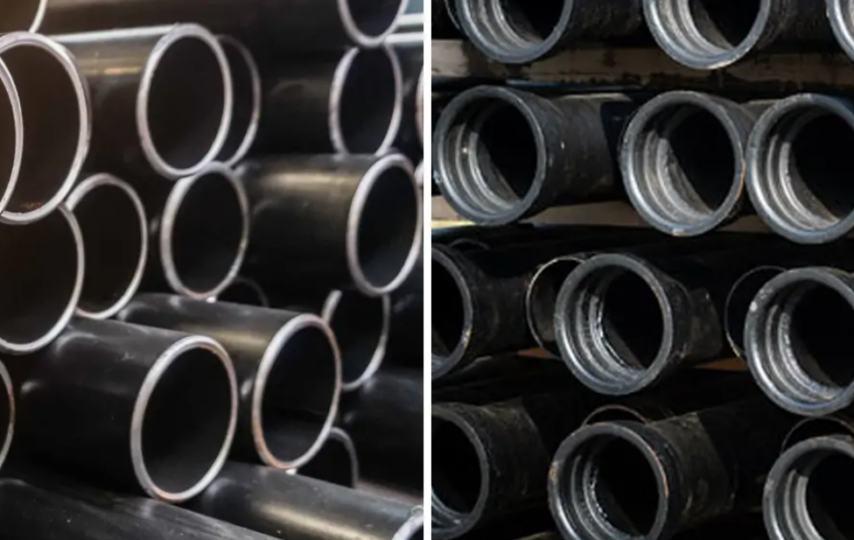

Carbon steel pipe is a material that people use for piping systems. It is very strong. It does not cost a lot of money. Carbon steel pipe works well in different projects. Whether you are working on a home job or a large industrial system, understanding carbon steel pipe helps you make choices. This guide explains everything in terms so you can learn the basics and use carbon steel pipe correctly.
What is a Carbon Steel Pipe?
Carbon steel pipe is made from iron and carbon. The carbon in a carbon steel pipe is usually between 0.05% and 2.0%. This mix gives carbon steel pipe its strength and hardness. Unlike steel, carbon steel pipe has little chromium or nickel so it costs less but it needs protection from rust.
Carbon steel pipe comes in wall thicknesses and diameters. You can find carbon steel pipes in welded forms. Seamless carbon steel pipe has no joints while welded carbon steel pipe is made by joining steel plates or coils. Both types of carbon steel pipe meet industry standards like ASTM and API.
Types of Carbon Steel Pipes
There are types of carbon steel pipe based on carbon content and use. Low carbon steel pipe, also known as steel, has more than 0.3% carbon. Low carbon steel pipe is easy to weld and form making it great for purposes.
Medium carbon steel pipe has 0.3% to 0.6% carbon. This type of carbon steel pipe is strong and flexible. High carbon steel pipe has more than 0.6% carbon. High carbon steel pipe is harder and stronger. It can be more difficult to weld.
You can also choose a carbon steel pipe based on the manufacturing method. ERW or Electric Resistance Welded carbon steel pipe is common for pressure uses. LSAW and SSAW carbon steel pipe work well for diameters and long pipelines. Each type of carbon steel pipe has its strengths depending on your project needs.
How Carbon Steel Pipes Are Made
The manufacturing process of carbon steel pipe starts with steel. Mills melt iron ore, scrap. Add the right amount of carbon. For carbon steel pipe a solid billet is. Pushed through a die to form the tube shape.
To make welded carbon steel pipe, flat steel plates or coils are rolled into a tube shape. Then welded along the seam. After that the carbon steel pipe goes through heat treatment, straightening and testing.
The tests include pressure tests, ultrasonic inspection and chemical analysis. Good manufacturers follow standards to ensure every carbon steel pipe is safe and reliable.
Key Properties of Carbon Steel Pipe
Carbon steel pipe is known for being strong. It can handle pressure and heavy loads without breaking. Carbon steel pipe also works well in a temperature range from outdoor conditions to hot steam lines.
Carbon steel pipe has conductivity so it transfers heat effectively. However carbon steel pipe can rust when exposed to water and air. That is why many carbon steel pipes receive coatings like paint, epoxy or galvanizing for protection. Carbon steel pipe is also magnetic which helps in some identification and installation steps.
Common Applications
You will see carbon steel pipes in industries. In oil and gas carbon steel pipe moves oil, natural gas and refined products over distances. Power plants use carbon steel pipe for steam and cooling water lines. They need carbon steel pipe to be strong and reliable.
Construction projects use carbon steel pipe for supports, scaffolding and building frameworks. Carbon steel pipe is also used in water treatment plants and municipal systems for water supply and drainage. In factories carbon steel pipe carries air, chemicals and process fluids. Even the automotive and shipbuilding industries use carbon steel pipe for exhaust systems and structural parts.
Advantages of Carbon Steel Pipe
The advantage of carbon steel pipe is the cost. You get performance without paying premium prices. Carbon steel pipe is easy to find in any size and length which makes planning and delivery faster.
Carbon steel pipe welds with techniques so installation is straightforward for trained workers. Carbon steel pipe is very durable under operating conditions. Can last many years with proper care. The different grades and schedules of carbon steel pipe give you options for pressure and temperature needs.
Disadvantages and Limitations
Carbon steel pipe does corrode if left unprotected. In acidic environments carbon steel pipe needs regular inspection and good coatings. Without protection rust can weaken carbon steel pipe over time. Cause leaks.
Carbon steel pipe is heavier than some materials, which can increase transportation and support costs. If you are working with high temperatures or things that can corrode easily you may need to use stainless steel or special alloys instead of carbon steel pipe. When you weld carbon steel pipe you have to be careful and follow the steps. This is important so you do not get cracks or weak spots, in the carbon steel pipe.
How to Choose the Right Carbon Steel Pipe
First check your operating conditions. What pressure, temperature and fluid will flow through the carbon steel pipe? For high-pressure gas lines choose carbon steel pipe with walls. For low-pressure water lines, welded carbon steel pipe often works fine. Saves money.
Look at the pipe schedule or wall thickness of the carbon steel pipe. Schedule 40 is common for jobs while Schedule 80 offers strength. Always request material test certificates to confirm the grade and quality of carbon steel pipe. Buy carbon steel pipe from trusted suppliers who can provide documentation and good technical support.
If you want to learn how carbon steel compares to cast iron click here for a comparison.
Maintenance and Care Tips
Good maintenance keeps carbon steel pipe working. Inspect carbon steel pipe regularly for signs of rust or coating damage. In installations check the protective layers every year.
Clean the inside of the carbon steel pipe when needed to remove buildup. Use supports to prevent sagging or vibration damage. When welding or cutting carbon steel pipe on site keep the area dry. Small habits, like these help prevent problems later with your carbon steel pipe.
Standards and Certifications
Always look for a carbon steel pipe that meets recognized standards. ASTM A53 and A106 are very common for use. API 5L applies to oil and gas pipelines. These standards ensure quality, dimensions and performance of carbon steel pipe. Reliable suppliers provide markings on carbon steel pipe and full paperwork for your records.
For a selection of quality carbon steel pipe and expert advice visit https://uniasen.com/.
Future Trends in Carbon Steel Pipe
coatings and treatments continue to improve corrosion resistance of carbon steel pipe. Manufacturers are also developing higher-strength grades of carbon steel pipe that allow walls and lower material use. Sustainability is becoming more important with recycling of carbon steel pipe into new ones. These improvements help carbon steel pipe stay competitive in projects.
Conclusion
Carbon steel pipe remains a choice for piping systems because it offers excellent strength at a reasonable price. From oil fields to city water lines, carbon steel pipe delivers performance when you select the type and protect it properly.
Take time to understand your project requirements before buying carbon steel pipe. Check pressure ratings, environmental conditions and long-term maintenance needs. With the carbon steel pipe and good installation your system can run safely and efficiently for many years.
Whether you are a beginner or an experienced engineer this guide gives you the knowledge to make decisions. Always work with suppliers. Follow industry best practices, for the best results.