
For outdoor business events, trade shows, and promotional activations, the essentials are a highly portable and long-lasting setup. A professional pop-up tent needs to be easily transportable and quick to set up, and yet, it should be strong enough to withstand the elements and repeated usage in fast-paced exhibition settings. To satisfy the changing expectations, modern custom tents are engineered to be both lightweight and tough. The difficulty is choosing the materials, structure, and design elements that will convey a sense of mobility and stability whilst not compromising the visual impact. An effective and balanced tent will improve operational efficiency, help with brand marketing, and provide reliability during multiple events. In the modern era, businesses are increasingly operating in various indoor/outdoor locations, and being strong and convenient helps make a decision about professional pop-up tents much easier.
The 5 Key Factors that Make Your Design Lightweight
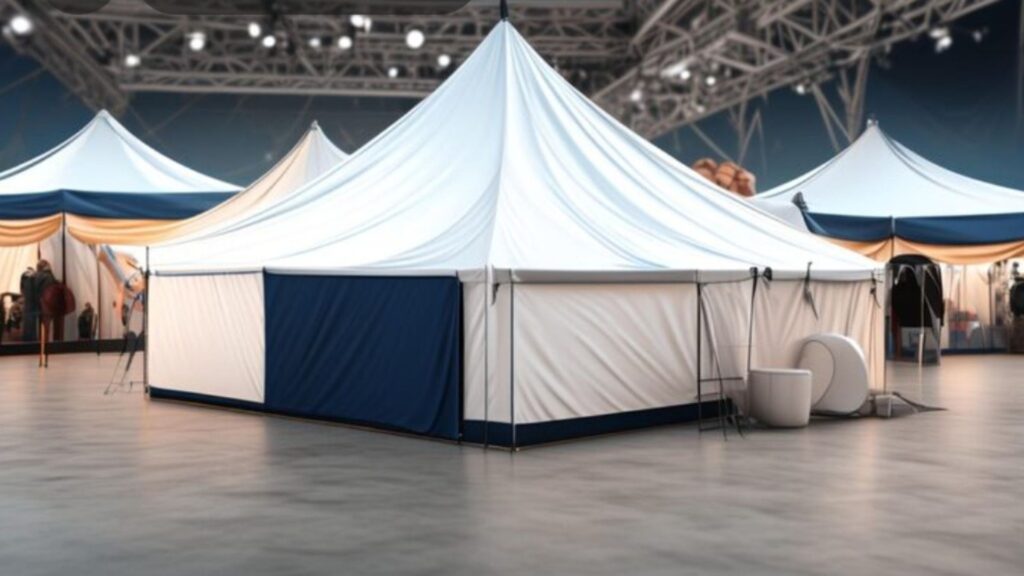
1. Use Visual Impact and Portable Structural Design Together
In today’s exhibition landscape, eye-catching elements like inflatable product replicas often help boost booth visibility and make an impact. These large pieces of promotional material are best used alongside lightweight pop-up tents that can withstand the rigors of an event and stand up without hassle.
Teams can easily transport their equipment from one location to another, saving on time and workforce in both setup and breakdown. Lightweight frames also offer greater flexibility in set-ups, especially when moving from event to event and needing to be set up quickly.
All the while, structural integrity is crucial. A professional tent should remain stable and be able to display branding items, signage, and promotional items without impacting their safety or aesthetics.
2. Use PVC Pipes and Nails For the Frame
The first major factor in choosing a pop-up tent is the frame. A pop-up tent’s material is a major consideration, and the frame is the basis of any pop-up tent. Aluminum frames are popular due to the fact that they are strong but light, and are perfect for portable construction that can be used for events.
Steel frames may be heavier but are also more robust, providing greater strength and stability to buildings in areas with stronger wind exposure and heavy use. The mix of these materials is dependent on the needs of the event setting and transit needs.
The frame engineering is of high quality, so the lightweight construction doesn’t affect the durability. Reinforced joints, tight locking systems, and corrosion-resistant finishes ensure performance over a variety of events.
3. Added Weight Doesn’t Compromise Its Weather Resistance
Professional pop-up tents need to be able to withstand the changes that occur outside their parameters. Waterproof and windproof materials for canopies and fabrics help to shield from rain, sunlight, and wind while keeping the canopy looking sharp.
High-quality synthetic fabrics are durable but won’t add much weight. The canopy is treated with water-resistant coatings, UV protection, and tear-resistant materials to keep it in pristine condition despite environmental stresses.
Weatherproof, lightweight materials offer added benefits: they are easier to transport and assemble, and they provide guaranteed protection during outdoor events. This combination is good both for convenience in use and for presentation.
4. Easy Set Up and Easy Transport Efficiency Are Achieved
The ease with which lightweight pop-up tents are used in the logistics of events is one of the main benefits. Compact design and simplified assembly systems cut set-up time, enabling the organization of events more easily and efficiently.
Collapsible frames, wheeled carrying cases, and quick-lock systems make for greater mobility and reduce the amount of work required. These hands-on factors are particularly important for companies that participate in several events during the year.
Efficient transport also minimizes the wear and tear caused by transporting a large piece of equipment. Lightweight designs reduce stress on handling and enhance flexibility in various venues and event types.
5. Keep a professional appearance while performing
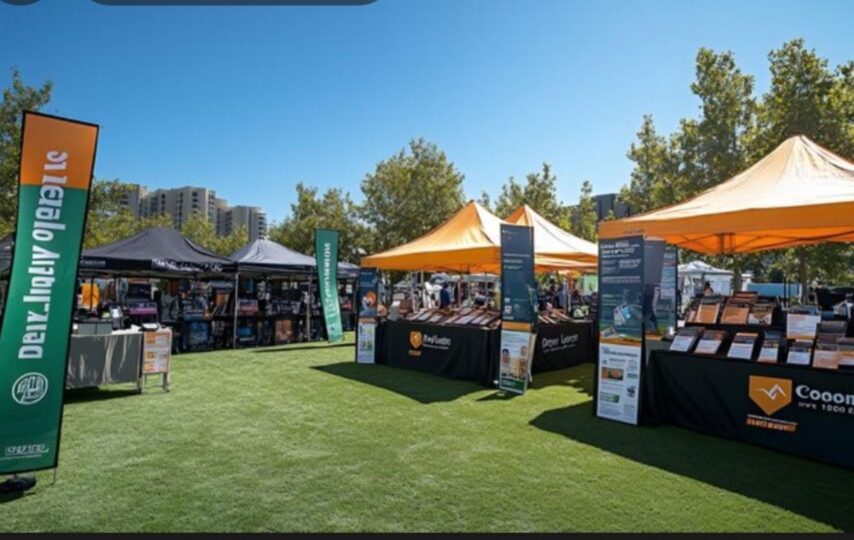
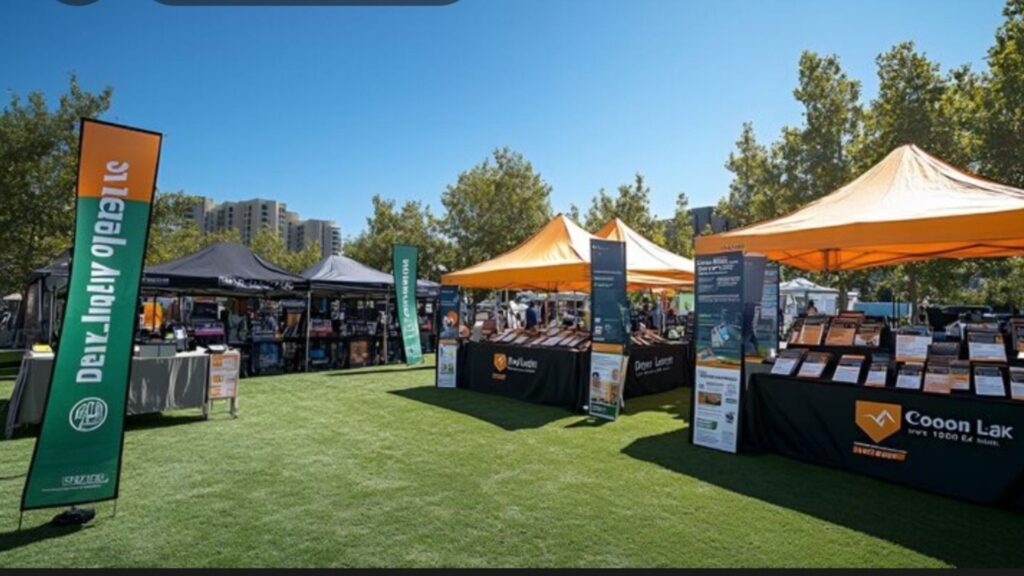
The presentation of the exhibition is important, as well as the durability and portability. Any sort of professional pop-up tent ought to offer considerable branding opportunities with a solid structure.
Organized brand elements, clean lines, and high-resolution graphics help to create a professional look that stands out on busy convention floors. Even lightweight designs need to be able to effectively hang banners, sidewalls, lighting, and more promotional elements.
A balance between aesthetics and functionality will make the tent work as a protective structure and as a marketing tool as well. Effective visuals help to strengthen your brand’s credibility, boost engagement, and promote visibility.
End Point
The ideal combination of portability and durability is key in choosing a professional pop-up tent. By carefully selecting materials, ensuring resistance to water and weather, incorporating efficient transportation options, utilizing effective structural design, and employing engaging branding aesthetics, modern tents can offer both comfort and durability. A well-balanced pop-up tent can enhance the look of the exhibit, facilitate operations, and increase the overall efficiency of an exhibition setup.