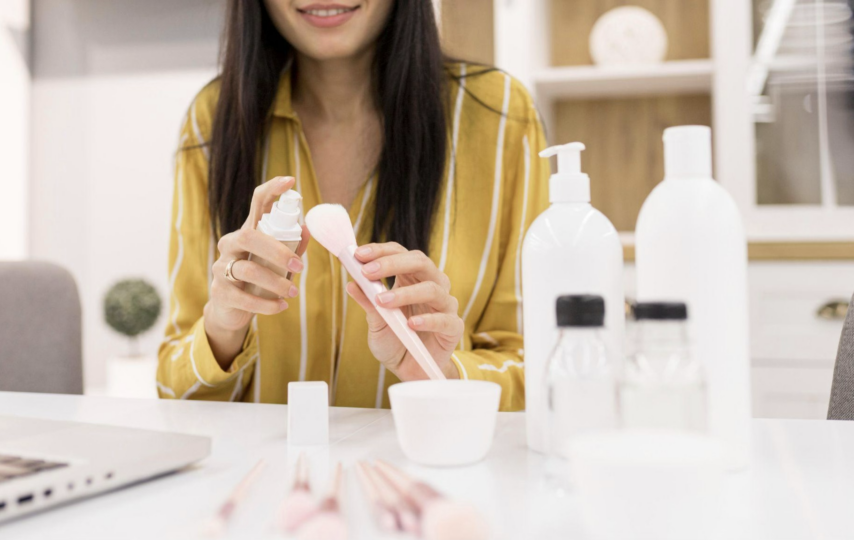

The wellness market is growing fast, and today’s consumers are more informed than ever. They are no longer impressed by fancy packaging or bold claims alone. Instead, they want products that deliver real value, high quality, and clear benefits. From ingredients and sourcing to transparency and customer experience, people expect more from premium wellness brands.
They are looking for products that fit their lifestyle, support their goals, and earn their trust. In this article, we’ll explore what modern consumers truly expect from premium wellness products and why meeting those expectations is key to long-term success.
Redefining Prestige: What’s Actually Driving Premium Wellness Demand
Something fundamental changed in how people evaluate wellness products. It’s not an occasional indulgence anymore. Wellness is part of daily life now, and that is rewiring how buyers think, shop, and decide.
Why “Premium” Has Quietly Become “Essential”
Buyers today are sharp. They’re not handing over premium dollars for aesthetics alone; they want functional benefits, legitimate science, and emotional value bundled into one product. That’s the new minimum.
Luxury health products face higher scrutiny than ever before. Efficacy has to match the price point. Brands that deliver on both build the kind of loyalty that actually lasts.
How Holistic Wellbeing Is Reshaping Product Expectations
Here’s something worth sitting with: modern consumers don’t see their health in silos. Skin, sleep, stress, nutrition, they view all of it as one interconnected system. Products that honor that perspective resonate on a completely different level.
A compelling example is the OSIM zero gravity massage chair, which speaks directly to this holistic mindset. Built around patented massage technology and certified chiropractic design, the OSIM zero gravity massage chair delivers targeted, full-body stress relief, a clear demonstration of what purposeful premium wellness actually looks like in practice.
What Next-Generation Premium Wellness Products Are Actually Built On
Understanding why premium demand is surging is one thing. Understanding what elevated expectations look like inside the product? That’s where strategy gets real.
Personalization Because Generic Doesn’t Cut It Anymore
Catch-all formulations are losing ground. Fast. Shoppers want products designed around their specific skin type, their lifestyle, and their health goals, not something that kind of works for most people most of the time.
Life stage matters. Mood matters. Products calibrated for nighttime recovery versus morning energy reflect exactly what consumers want wellness routines to deliver: specificity, not approximation.
Sensory Design: Scent, Texture, Color as Functional Features
Sensory experience isn’t a bonus anymore. It’s core. Lavender has well-documented calming effects ideal for sleep rituals. Citrus energizes a morning routine in a way that’s almost immediate. You feel it before you even process it intellectually.
Texture works the same way. A cooling serum communicates freshness and hydration the second it hits your skin. Soft pastel hues signal calm and purity. These aren’t decorative choices; they’re emotional cues that connect directly with the wellness mindset buyers bring to every purchase.
Ingredients That Can Actually Explain Themselves
Adaptogens, peptides, probiotic actives, these dominate trending formulations right now. But here’s the thing: consumers don’t just want impressive ingredients. They want to know what each one does and where it came from.
Transparency is non-negotiable. Real data. Open sourcing. Clear language that doesn’t require a biochemistry degree to decode. Brands that can explain themselves clearly earn trust fast. Those that can’t? They lose it faster.
Sustainability and Ethics: The New Standard, Not the Differentiator
Clean-label, cruelty-free, vegan, these aren’t selling points anymore. They’re baseline expectations. Eco-packaging and minimal environmental footprints matter just as much as what’s actually inside the product.
Consumers want to feel good about what they’re buying. Knowing their favorite product aligns with their personal values transforms the purchase from a transaction into something that feels genuinely rewarding.
Trends That Are Actively Reshaping the Premium Wellness Market
The wellness space moves quickly. Brands tracking these shifts early have a real edge. Those reacting after the fact are playing catch-up indefinitely.
PA Consulting found that 78% of consumers plan to purchase new wellness products or services, with 71% willing to spend $100 or more. That’s not a browsing audience. That’s a buying audience.
“Me Time” Rituals and the Rise of Wellness Snacking
Micro-moments are quietly redesigning product categories. Consumers want quick, effective rituals that fit into genuinely packed schedules: a two-minute face mist, a targeted scalp treatment, a short massage session that actually resets the nervous system.
Small moments, big emotional payoff. Products designed for convenience without cutting corners on quality are winning repeat purchases and real shelf loyalty.
Multi-Functional Hybrids: One Product, Multiple Jobs
All-in-one solutions are gaining serious traction. The “skinification” of hair care, treating scalp health with the same rigor as skincare, is a perfect example of cross-category thinking that consumers actually love.
Nobody wants to buy five separate products when one well-formulated hybrid does the job more effectively. That’s not laziness. That’s intelligence.
Smart Wellness Tech and Digital Integration
Wearables, AI-powered apps, and connected devices technology are changing how people discover, track, and use wellness product trends. Digital tools add precision that physical products simply can’t match on their own. The smartest brands are integrating both.
Efficacy Claims Need Receipts
Vague promises don’t work anymore. Shoppers want data-backed benefits and third-party validation. Certifications like COSMOS and NATRUE carry genuine weight with today’s informed, skeptical buyers, and that weight translates directly into purchase decisions.
Inclusivity Isn’t Optional
Gender-neutral formulations, Halal and Kosher certifications, and age-inclusive messaging signal that a brand actually sees its full audience. Wellness should feel accessible to everyone. Not just a narrow demographic that looks a certain way.
Final Thoughts: Setting the Standard That Actually Sticks
The rules changed. Permanently. Consumers are better informed, more value-driven, and far less patient with products that overpromise and underdeliver. Premium wellness products that combine real efficacy, honest sourcing, intentional sensory design, and inclusive values will lead the next era, not just participate in it.
Brands that take what consumers want wellness seriously and respond with genuine, meaningful innovation won’t just survive this shift. They’ll define what comes next.
Frequently Asked Questions
What do consumers expect from premium wellness products today?
Consumers expect premium wellness products to offer proven benefits, high-quality ingredients, clear sourcing, and a strong user experience. They want products that support their lifestyle, feel trustworthy, and deliver results that justify the price.
Why is transparency important in premium wellness products?
Transparency helps consumers understand what they are buying. Clear ingredient details, ethical sourcing, certifications, and honest product claims build trust and make buyers more confident in choosing a premium wellness brand.
How can wellness brands stand out in the premium market?
Wellness brands can stand out by combining real efficacy, personalization, sensory design, sustainability, and inclusivity. Products that solve specific needs while aligning with consumer values are more likely to earn long-term loyalty.