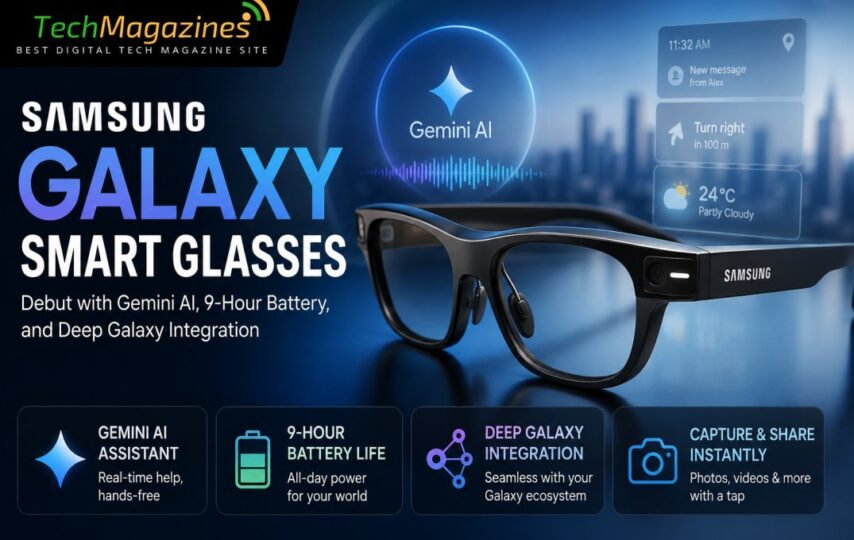

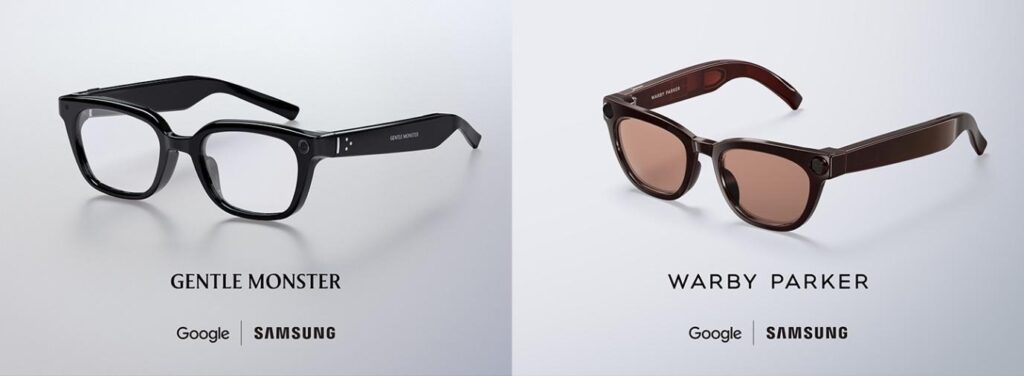
At its recent Galaxy Unpacked event, Samsung has announced a new pair of smart glasses powered by AI developed in collaboration with Gentle Monster and Warby Parker. The core of the device is the Gemini Intelligence system which enables users to complete repetitive tasks without the need for their hands. It can assist with scheduling appointments, making reservations and other typical requests via voice commands.
Samsung has focused on making the glasses light, comfortable and tightly integrated with the Galaxy ecosystem. By doing so, the company seems to be taking a calculated risk to create a viable competitor to Meta’s smart glasses, instead of just another experimental gadget.
The glasses can be used for up to nine hours on a single charge, according to Samsung, and feature advanced Sony camera sensors to enhance image quality. They also perform best when used with Galaxy devices; extra features will be added when used with a Galaxy Watch.
For many buyers, issues of price, privacy and accessibility will be of equal importance. If you consider all these factors together, you will have a more balanced perspective on Samsung’s wearable technology plans and its approach compared to Meta’s.
How Gemini Intelligence Makes Samsung’s Smart Glasses More Useful
Samsung’s smart glasses are based on the company’s AI system, called Gemini Intelligence, which is designed to simplify everyday tasks. Users can speak naturally, without having to reach for a phone. The system monitors the user’s environment and provides assistance when it appears to be beneficial.
It may remind you of a meeting, point to a nearby restaurant or help you find your destination. It’s not about overwhelming the user with a lot of features. Samsung has a clear path to differentiate itself from many of its rivals with this consistent and practical implementation of AI.
Premium Design Focused on Everyday Wearability
Samsung has paid equal attention to the frame as well as the software. The glasses are lightweight and can be worn for extended periods without causing discomfort. The company also collaborated with Gentle Monster and Warby Parker, wanting to make the design feel at home on the street and in the office. The hinges are easy to operate and the frame is simple and clean. They should be a natural part of everyday life, but also be something people would want to wear.
Battery Performance Built for All-Day Convenience
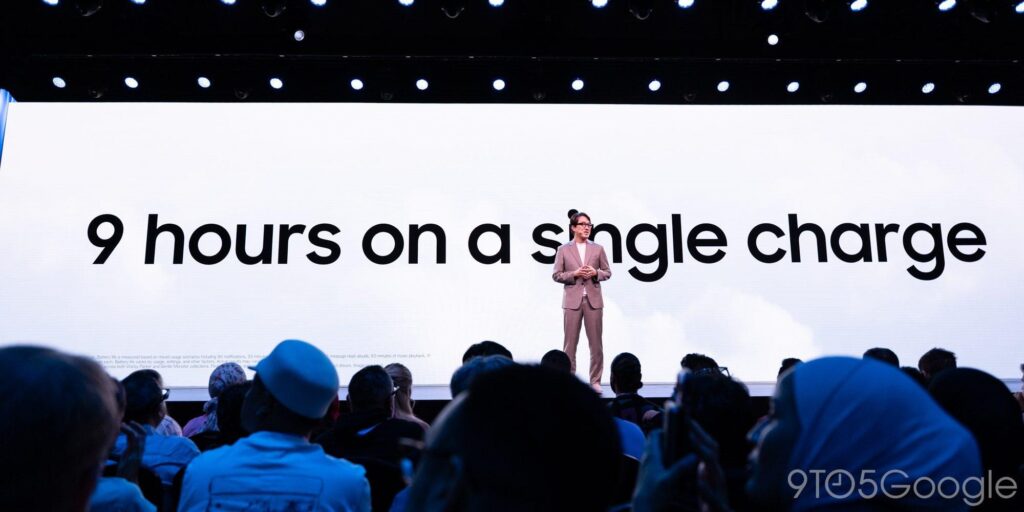
The battery life is a crucial factor in the usability of a wearable, and it can make or break whether it gets used or put in a drawer. Samsung apparently has an idea of this. The company claims that the smart glasses can last up to 9 hours on a single charge. For most of the day, that will be sufficient without needing to recharge.
The charging case provides a lot more power. It increases the battery life to approximately 63 hours and offers over seven full charges. This makes the glasses clearly better when traveling or spending extended periods of time away from a power source. Users don’t have to think about the battery as much, and they can spend more time using the device.
Camera Features Designed for Photos and Everyday Content
Samsung’s focus has also shifted to the camera system. The glasses can take photos and videos in landscape mode, which is convenient for daily use and creative activities. The company hasn’t announced the hardware, but reports indicate that it will be Sony image sensors.
If those reports are accurate, users will be able to enjoy good picture quality in a small package. It’s important for vloggers, content creators, and professionals who frequently travel from one location to another. It makes the glasses useful for a variety of purposes.
Galaxy Ecosystem Integration Takes Center Stage
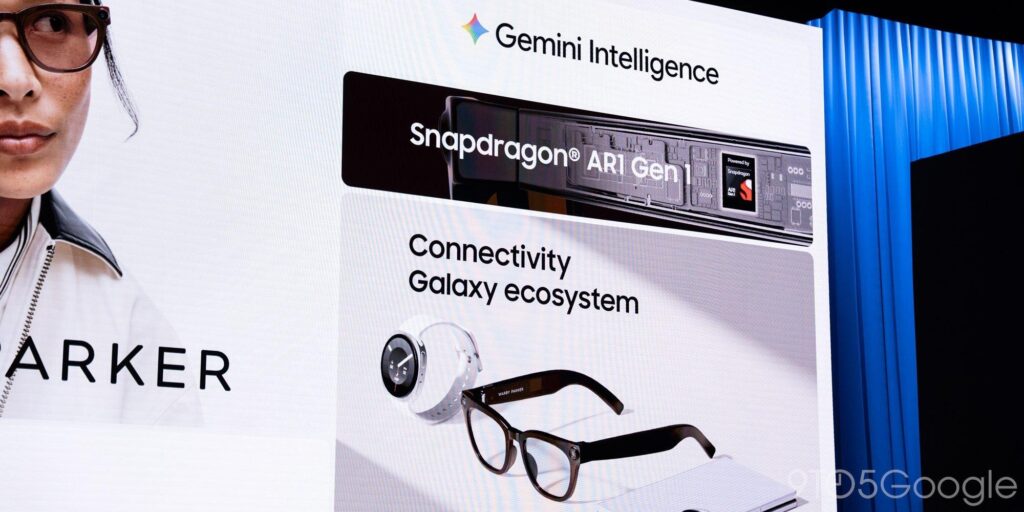
Samsung has created these smart glasses to be part of a system, not a standalone product. They are tightly integrated with Galaxy phones, tablets and watches. Users can save their ideas directly to Samsung Notes, join Google Meet calls or receive alerts from other Galaxy devices without interrupting their routine.
The Galaxy Watch takes control to the next level. Can be used as a remote shutter or as a viewfinder during photography. This makes the experience easier and more seamless for Samsung users. The glasses appear to be an additional component of the system, not a standalone device.
Samsung vs Meta: Which Smart Glasses Strategy Stands Out?
Meta is already well established in this market, and Samsung is just getting in the game. But the two companies aren’t exactly on the same path. Meta has made a huge effort to make accessibility features a priority, particularly for those with visual impairments. Samsung has decided on a different priority. It will be powered by Gemini Intelligence and Android and Galaxy integration to further enhance its appeal. It provides a better justification for purchasing one platform rather than the other.
It will be heavily reliant on the questions Samsung has yet to answer. Price will matter. Samsung is hoping its AI software and the power of the Galaxy ecosystem will provide it with a competitive edge. That could be the case. However, people will assess the glasses based on their usability rather than on promises. If the company manages to strike the right balance, it may find itself in a strong position in the emerging wearable market.
Who Will Benefit Most from Samsung’s Smart Glasses?
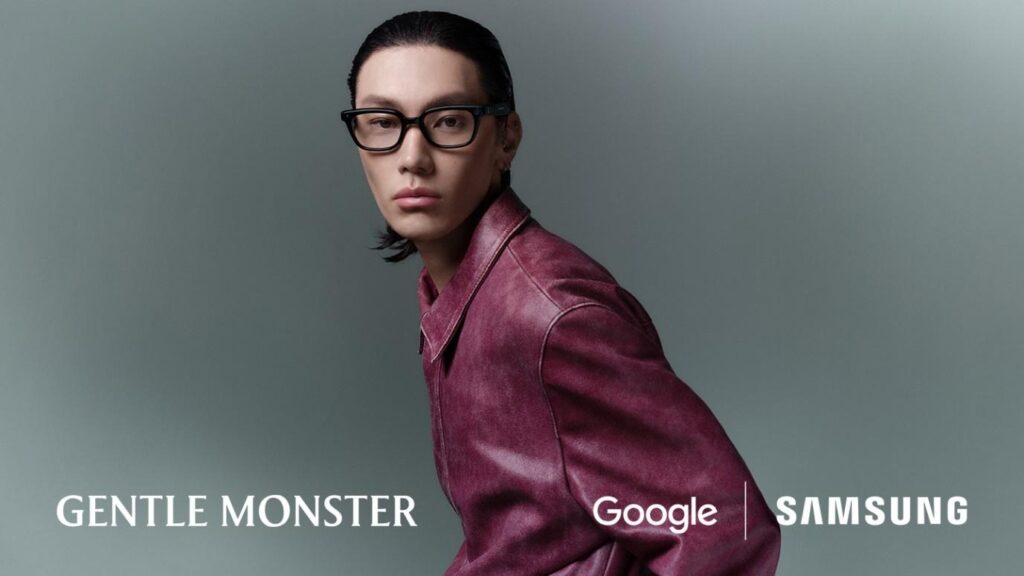
Samsung has targeted these smart glasses at more than one type of consumer. They will draw in those who are interested in new technology. They can also be appealing to people who are more interested in looks than functionality. But the best argument is for those who already have Galaxy devices. The glasses work seamlessly into that system and make it more useful.
They also have a broader purpose, thanks to Gemini Intelligence. It can assist professionals and everyday users in completing everyday tasks without having to pick up the phone. Despite all this, the product still has a long way to go. Samsung has to respond to the remaining questions and explain what it is offering that Meta doesn’t.
Key Questions Samsung Still Needs to Answer
Despite the attention these glasses have garnered, there are still some key elements that are missing. Samsung has yet to release the price or date of the device. It has also been mum on the camera hardware. There are other questions that have yet to be answered. Are the glasses prescription friendly? What will they have to make accessible? Just how much information will the always-on AI gather and how will it remain secure? If Samsung is to be trusted by buyers and gain widespread adoption, then it must have clear answers.
The smart glasses are another development in Samsung’s efforts to enter the realm of AI-powered wearables. They offer a blend of usability, battery life, and seamless integration with the Galaxy ecosystem. That provides the company with a solid base. However, good hardware will not make the difference.
Samsung has a lot to prove and needs to address concerns that remain regarding the product. It will not be until then that it will know if the glasses can outperform the competition. At the moment, they provide a good indication of the direction of wearable technology. The goal is simple. Design and construct a device that is useful, normal, and convenient to use.
Final Words
Samsung’s Galaxy Smart Glasses indicate that the company isn’t satisfied with just jumping into the AI wearable market; they want to be at the forefront of it. Samsung has set the stage for a device that could be appealing to techies and regular users alike with its Galaxy ecosystem integration, premium design partnerships, and impressive claimed battery life with the help of Gemini.
Meanwhile, there are still some unanswered questions regarding pricing, privacy, camera hardware, and availability. The smart glasses, for now, don’t seem to be a completed blockbuster, but rather an exciting trailer. If Samsung can meet its promises and tackle the biggest concerns of its buyers, it could put Meta on the map in the rapidly expanding smart eyewear market.