
Tapping your phone at the coffee shop or grocery store checkout has become second nature for many of us. What used to be a futuristic idea is now just part of daily life. Your smartphone has gone from being just a way to talk to people to a secure digital wallet, completely changing how we pay for things. This change isn’t just about speed; it’s about making things more secure, more convenient, and shifting how we think about money.
The Rise of Contactless Payments
People have been moving away from cash and swiping cards for years now, and that trend is only getting faster. Shoppers increasingly like the simple act of tapping their phone or watch to pay. This preference for touch-free transactions has pushed businesses of all sizes to keep up. To accept these modern payments, a company needs the right technology working behind the scenes—from compatible terminals to secure systems that authorize and complete each transaction in real time. A reliable payment processor is key to this whole process, acting as the bridge between the customer’s bank and the business’s account while ensuring everything runs smoothly and securely. How quickly this technology has been adopted shows a clear direction for the future of payments.
How Your Phone Becomes a Wallet
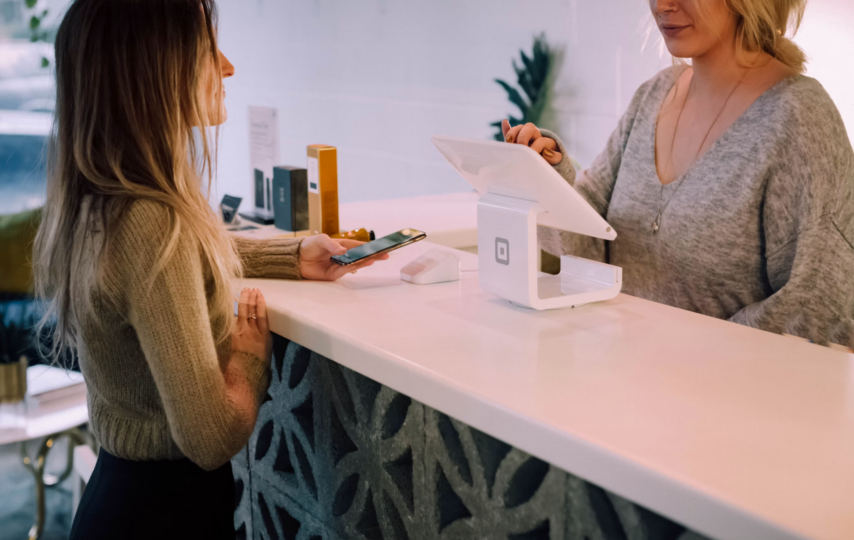
Turning your smartphone into a digital wallet is surprisingly easy. Services like Apple Pay, Google Pay, and Samsung Pay are already built into most new phones. To set it up, you just add your existing credit or debit card information to the wallet app. You can usually do this by typing in the card details or by using your phone’s camera to scan the card. Once your bank confirms the card, it’s stored securely on your device in a digital format. After that, instead of pulling out your physical wallet, you can just hold your phone near a compatible payment terminal to buy something.
Security Behind Every Tap
One of the biggest perks of using a digital wallet is how much more secure it is. When you pay with your phone, your actual credit card number is never sent to the store. Instead, the system uses something called tokenization. This creates a unique, one-time code, or “token,” for each transaction. This token goes to the payment terminal, not your sensitive card details. Even if a store had a data breach, your card information would stay safe because it was never there in the first place. Plus, every transaction needs you to authenticate it with your device’s security, like your fingerprint, Face ID, or a passcode. This adds another strong layer of protection.
The Tech Powering Digital Transactions
The magic behind that simple tap is a technology called Near Field Communication (NFC). NFC is a type of short-range wireless communication that lets two enabled devices swap data when they’re brought within a few centimeters of each other. Your smartphone has an NFC chip, and so do modern payment terminals. When you hold your phone close to the terminal, the two chips connect and securely send the payment token. While NFC is the most common way this works, the evolution of digital wallets also includes other technologies. QR codes are another popular option; you scan a code with your phone’s camera to start a payment through a specific app.
Small Business Adaptations for Mobile Payments
For small businesses, offering mobile payments isn’t just a nice-to-have anymore; it’s essential to meet what customers expect. The good news is that it’s easier than ever to adopt this technology. Many modern point-of-sale (POS) systems already have NFC readers built in, making the switch smooth. Even smaller merchants can use simple, affordable standalone card readers that connect to a smartphone or tablet via Bluetooth. By accepting digital wallets, businesses can speed up checkout lines, cut down on human errors with cash, and provide a more secure way to pay that customers appreciate. This not only makes operations more efficient but also improves the overall customer experience.
The convenience of tapping your phone to pay is just the beginning. As technology keeps moving forward, our devices will become even more connected to our financial lives, making transactions faster, safer, and more intuitive than ever.