
The Importance of Printed Materials in Branding
In today’s competitive market, the digital landscape can seem to dominate every aspect of business promotion, yet printed materials continue to hold undeniable value. Tangible items such as business cards, brochures, and custom flyers serve as memorable touchpoints, shaping how clients, partners, and the community perceive a business. These physical assets project legitimacy, credibility, and professionalism, particularly important for small businesses seeking to differentiate themselves in crowded markets. For businesses looking for a reliable print partner in the Chicagoland area, MidAmerican Printing Systems provides customized solutions that help build a consistent, professional brand identity through high-quality commercial printing services Chicago.
Even as digital channels dominate customer engagement, printed materials continue to play a vital role in expanding brand visibility. From neighborhood outreach and trade shows to corporate events and networking opportunities, physical print assets allow companies to leave a lasting impression and strengthen their presence beyond the online space. According to the U.S. Chamber of Commerce, items such as brochures and catalogs play a vital role in getting your brand message into the hands of potential customers, often creating a lasting first impression. These pieces can work in tandem with online efforts to reinforce your professional reputation and create multiple avenues for audience engagement. For further reading, Entrepreneur Magazine discusses how print remains relevant in the digital age.
Cost-Effective Printing Options for Small Businesses
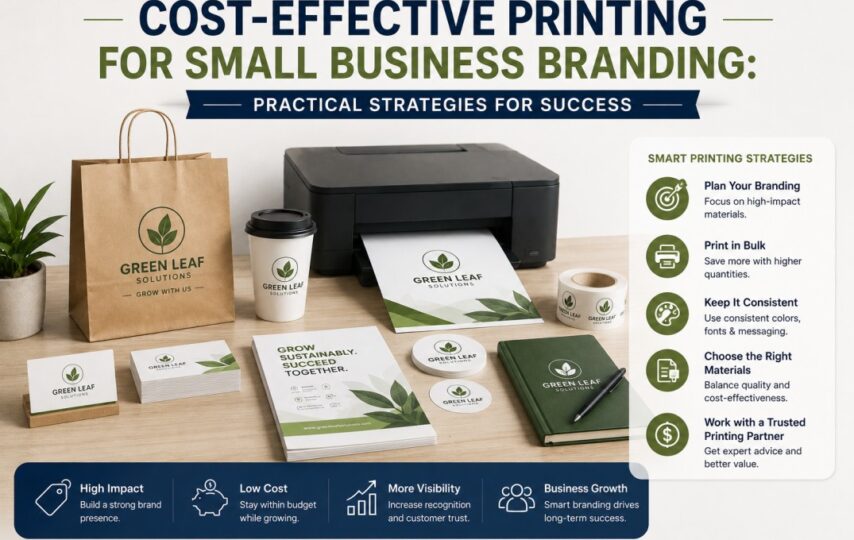
Small businesses must often make every marketing dollar count, which is why affordable print marketing is crucial. There are now more budget-friendly options than ever before. National print providers like VistaPrint and Jukebox Print allow clients to order professionally designed materials with low minimums, competitive pricing, and a range of customization tools catering to non-designers. These platforms empower businesses to experiment with branding strategies without overextending their budgets while still achieving polished results.
Bulk printing is a smart way to reduce per-unit costs, making business cards, menus, or flyers affordable in larger quantities. Additionally, digital or on-demand printing services allow businesses to order precisely the materials they need, reducing waste and improving cost-efficiency. By comparing prices online and requesting quotes from local printers, small business owners can weigh their options and make informed decisions that strengthen their brand identity while conserving resources.
Integrating Digital Tools with Traditional Printing
Digital and traditional print marketing do not need to operate in silos. Many innovative small business owners are integrating the versatility of digital design tools with the reliability of print to build more effective marketing campaigns. Modern print services often provide online design platforms, allowing you to upload branded assets, adjust layouts, and preview finished products before a single copy is printed. For example, Jukebox Print’s integration with Adobe Express streamlines the process by allowing users to move seamlessly from design to print while maintaining a consistent look and feel across all materials.
This connected approach helps businesses remain nimble, enabling them to respond quickly to market trends and customer preferences. Consistency between digital communications, such as emails and social media, and physical assets, like postcards or catalogs, greatly enhances the overall brand experience. Many small businesses now also include Quick Response (QR) codes on printed materials to drive traffic to digital destinations such as websites, promotions, or social media accounts, bridging the gap between online and offline engagement. For more information on best practices, explore Forbes’ advice on integrating print and digital marketing.
Choosing the Right Printing Partner
The success of any print marketing campaign often hinges on the quality and reliability of your printing partner. A strong collaborator will offer support from design and material selection through to delivery and post-order service. Local providers can offer personalized service and quick turnaround, while national brands may present broader options and better pricing for higher-volume projects. When selecting a provider, consider their service offerings, client reviews, sample quality, and technological capabilities.
More advanced print shops now offer online reviews, on-demand ordering, and collaborative project management platforms, making the process simple and transparent. For instance, the Print Connect portal from Staples Canada helps businesses streamline print orders and ensure branding consistency. These services allow business owners to focus on growth rather than getting bogged down by technical design or supply chain issues.
Design Tips for Effective Print Materials
Successful print materials capture attention and clearly express brand values. Here are some best practices for small business owners to keep in mind:
- Consistency: Use your official brand colors, fonts, and logo across all printed assets. This boosts recognition and builds trust with your audience.
- Simplicity: Effective designs often use ample white space and limit the number of text styles or images to avoid overwhelming the viewer. A clean layout leads to better comprehension.
- Call to Action: Your print material should always tell the reader what to do next, whether it is calling your business, visiting a website, or taking advantage of a promotional offer. Make this prominent and easy to find.
High-quality images, clear and readable fonts, and a hierarchy of information also play critical roles in attracting your ideal customer and turning attention into engagement.
Measuring the Impact of Printed Materials
To ensure that your investment in printed branding is worthwhile, tracking and measuring results is crucial. One of the most direct measures is response rate. Include unique promo codes or dedicated phone numbers to help distinguish the results from specific print campaigns. Sales data provides another metric; if a particular batch of flyers goes out and sales rise, it is likely the campaign contributed.
Customer feedback is invaluable. Engage your audience through surveys, reviews, or direct communication. Ask new clients how they found your business and whether printed materials influenced their decision. This information provides powerful insights to refine future branding strategies. By evaluating data trends and customer perspectives, small businesses can optimize their marketing efforts and maximize the return on every printed dollar.
Utilizing these strategies allows small businesses to build visibility, trust, and loyalty even when marketing budgets are tight. When print and digital tools work together, brands find greater reach and deeper connections with the audiences that matter most.