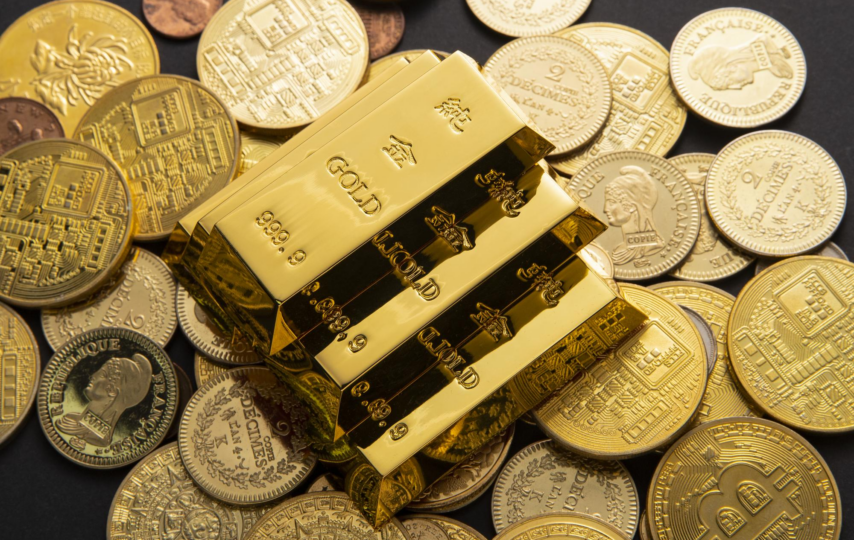

Gold has often been treated as something to buy, store, and leave untouched for years. That idea still matters, but financial technology is changing how people can use precious metals. For anyone exploring this shift, OGold official website helps to explore the principles of the ecosystem before users move into the mobile platform. It shows how physical gold and silver can become easier to manage, spend, and track without losing their role as real assets.
Why Stored Value Needs a More Flexible Format
Traditional gold ownership can feel limited because the asset is often kept apart from everyday finance. A person may own coins, bars, or jewelry, but using that value quickly is not always simple. Selling may take time, storage creates extra concerns, and price checks are not always clear.
Digital platforms reduce these gaps. They can show real-time value, keep balances visible in a wallet, and make buying or selling easier from a phone. That does not make gold less serious as an asset. It makes the process around it more practical.
How Gold Becomes a Spendable Digital Asset
A stronger gold platform is not limited to buying and holding. It connects ownership with tools that people already use in digital finance. That is where the asset starts to feel more active. Several features explain this change clearly:
- fractional buying makes it easier to start with smaller amounts;
- real-time pricing keeps the value visible during market movement;
- a digital wallet helps users track gold and silver in one place;
- card spending can connect stored value with real purchases;
- rewards and XP points make regular use more engaging.
These features help move gold from the background of personal finance into a more useful position. A user can build a balance over time, see how it changes, and use connected payment tools when needed. The product becomes easier to understand because the experience is closer to other mobile financial services. OGold uses this model by combining physical precious metals with a wallet, Mastercard spending, rewards, and lifestyle services.
Why Rewards and Lifestyle Services Matter
Rewards may seem secondary, but they can change the way users interact with a financial product. If people earn XP points, bonuses, or exclusive benefits while saving and spending, the wallet becomes more active. It gives users a reason to return, check progress, and continue building their balance.
Lifestyle services add another layer. Access to products such as eSIM cards shows that a gold wallet can become part of a broader digital routine. This is especially relevant for people who want finance, payments, and useful services inside one app instead of several disconnected tools.
Summary
Digital gold is not replacing the traditional value of precious metals. It is changing the interface around them. Smaller purchases, clear pricing, secure storage, liquidity, card spending, rewards, and lifestyle products make gold easier to fit into daily financial behavior. For investors and tech-focused users, this is the real next step. Gold is no longer only an asset to keep aside for the future. With platforms such as OGold, it can become a spendable, visible, and more practical part of modern personal finance.