
Farm equipment represents a major investment, but tractors, utility vehicles, trailers, attachments, and other machinery are often left in remote or lightly monitored areas. These conditions can make farms attractive targets for thieves who know that equipment may not be discovered missing until hours or even days later. Preventing farm equipment theft with GPS gives owners a practical way to monitor valuable assets, receive immediate movement alerts, and support recovery efforts when theft occurs. A GPS tracker for farm equipment can provide location data even when machinery is parked far from the farmhouse, office, or equipment shed. Although no security solution can guarantee that theft will never happen, GPS tracking can significantly improve visibility, response time, and accountability across an agricultural operation.
Why Farm Equipment Is Vulnerable to Theft
Farms often cover hundreds or thousands of acres, making it difficult to maintain constant oversight of every vehicle, tool, and machine. Equipment may be parked overnight near fields, barns, access roads, or temporary job sites where security cameras and lighting are limited. Many tractors and utility vehicles also use standardized keys, which may make certain models easier to start or move without authorization. Attachments, generators, trailers, and fuel tanks can be stolen quickly and transported to another county or state before the owner notices. Seasonal employees, contractors, delivery drivers, and visitors may also create regular traffic, making unfamiliar vehicles less noticeable.
The resale value of agricultural machinery creates another incentive for theft. Stolen equipment may be sold as a complete unit, dismantled for parts, or transported to areas where ownership records are difficult to verify. Some machines have limited identifying information visible from a distance, especially after serial number plates are removed or altered. Rural law enforcement agencies may also have large territories to cover, which can affect response times. A farm owner who can provide current location data may give officers a much stronger starting point than someone who can only report when the equipment was last seen.
How GPS Tracking Works on Agricultural Equipment
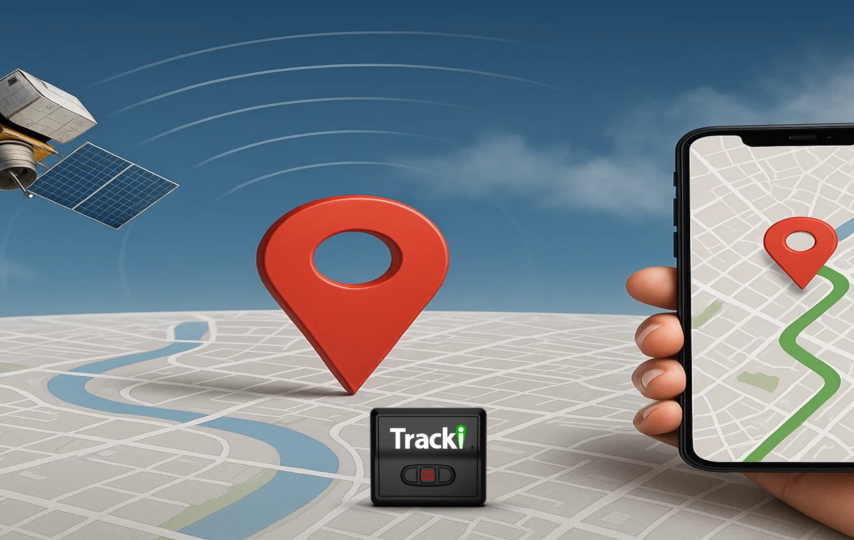
A GPS tracking device uses satellite signals to determine the location of the equipment on which it is installed. The device then communicates that information through a cellular network, satellite connection, or another wireless system, depending on the product. Owners typically view location data through a mobile application or online dashboard. Some trackers report their position continuously, while others send updates at scheduled intervals to conserve battery life. The right configuration depends on the type of equipment, how frequently it moves, and how quickly the owner needs to receive information.
Trackers may be hardwired into a tractor or vehicle’s electrical system, or they may operate using an internal rechargeable or replaceable battery. Hardwired devices are useful for frequently operated machines because they can draw power from the equipment. Battery-powered devices may be better for trailers, implements, irrigation equipment, and other assets without a dependable electrical connection. Many systems also include backup batteries that continue sending data if the main power source is disconnected. A well-concealed installation can make the tracker more difficult for a thief to locate and remove.
Real-Time Movement Alerts Can Speed Up Response
One of the biggest advantages of GPS tracking is the ability to receive alerts when equipment moves unexpectedly. A farm owner can establish approved operating hours and receive a notification if a tractor starts moving late at night or during a period when no work is scheduled. These alerts may arrive through a text message, email, push notification, or automated phone call. Quick notification allows the owner to check whether an employee moved the machine or whether unauthorized activity may be occurring. This faster awareness can reduce the amount of time a thief has to transport or conceal the equipment.
Movement alerts are especially valuable for machinery stored in isolated locations. Without tracking, a piece of equipment parked in a distant field might be missing for an entire weekend before anyone checks on it. By that point, the machine could be hundreds of miles away or dismantled for resale. GPS alerts can help owners contact law enforcement while the location information is still current. Owners should avoid confronting suspected thieves directly and instead provide the tracking details to the appropriate authorities.
Geofencing Helps Protect Equipment Within Defined Areas
Geofencing allows farm owners to create virtual boundaries around properties, fields, barns, storage yards, or approved work zones. When tracked equipment enters or leaves one of these areas, the system can generate an alert. For example, a tractor may be authorized to operate within several adjoining fields but should not leave the farm’s outer property boundary. If the machine crosses that boundary outside normal work hours, the owner can investigate immediately. This feature makes preventing farm equipment theft with GPS more proactive because it identifies suspicious movement before the equipment travels far.
Geofencing can also help farms manage equipment used by multiple operators. Owners can confirm whether vehicles remain within assigned areas and identify unauthorized trips. During planting or harvest season, temporary geofences can be created around leased land, satellite storage yards, or job locations. When equipment is transported legitimately, authorized users can adjust the boundary or pause certain notifications. These controls reduce unnecessary alerts while maintaining security when equipment is parked.
GPS Data Can Support Equipment Recovery
When theft occurs, accurate location information can be extremely valuable to law enforcement. A GPS tracker for farm equipment may show the machine’s current position, direction of travel, speed, and recent route history. This information can help officers determine whether the equipment is moving on a highway, parked at a residence, stored in a warehouse, or transported across jurisdictional lines. Historical data may also reveal where the machine stopped after leaving the farm. That trail can support an investigation even if the tracker is later disabled.
Owners should document the equipment’s serial number, make, model, purchase records, photographs, and identifying features before a theft happens. GPS data is more useful when it can be connected to clear proof of ownership. The owner should share tracking access or screenshots only with law enforcement and insurance representatives involved in the case. Publicly posting the machine’s live location could interfere with an investigation or create personal safety risks. A coordinated response gives authorities a better opportunity to recover the equipment safely.
Additional Benefits Beyond Theft Prevention
GPS tracking can provide operational benefits that extend beyond security. Location records help managers understand where machines are being used, how often they move, and whether they are available for upcoming work. Some systems can monitor engine hours, battery voltage, fuel use, idle time, and maintenance intervals. This information may help reduce unnecessary travel, schedule preventive service, and avoid equipment downtime during critical seasons. Tracking data can also clarify whether machinery is being used according to company policies.
Additional uses for GPS tracking include:
- Confirming the location of tractors, combines, trailers, and utility vehicles
- Monitoring equipment assigned to remote fields or leased properties
- Tracking engine hours for maintenance planning
- Identifying unauthorized after-hours use
- Improving dispatching and coordination between crews
- Documenting routes for service, application, or delivery records
- Monitoring rented or shared agricultural machinery
- Reducing time spent searching for misplaced attachments or mobile assets
These capabilities can make a tracking system easier to justify financially. Equipment recovery may be the primary goal, but improved fleet management can deliver value throughout the year. A farm with multiple locations may gain an especially strong benefit from seeing all tracked assets on one dashboard. Managers can make faster decisions without calling several operators to ask where a machine was left. Better asset visibility can improve both security and productivity.
Choosing the Right GPS Tracker for Farm Equipment
Not every GPS tracker is designed for agricultural conditions. Farm equipment is regularly exposed to dust, moisture, vibration, temperature changes, mud, chemicals, and pressure washing. Owners should choose a durable device with a weather-resistant enclosure and a mounting method appropriate for heavy machinery. Battery life is also important, particularly for assets that remain unused for weeks or months. A tracker that requires frequent charging may become ineffective if maintenance is overlooked.
Important features to compare include:
- Real-time or frequent location updates
- Customizable movement and geofence alerts
- Long battery life or hardwired power
- Backup power after disconnection
- Weatherproof and impact-resistant construction
- Mobile and desktop access
- Location history and downloadable reports
- Coverage in rural operating areas
- Tamper or power-loss notifications
- Reasonable subscription and data fees
Owners should also review how the device communicates. Cellular trackers can work well where mobile coverage is reliable, but performance may decline in remote areas with weak service. Satellite-connected trackers may provide broader coverage, although they can involve higher equipment and subscription costs. Some systems store location data during a service interruption and upload it when a connection returns. Testing the device throughout the farm is one of the best ways to identify coverage limitations before relying on it for security.
Combine GPS Tracking With Other Security Measures
GPS tracking is most effective when it is part of a broader theft-prevention plan. Visible security measures may discourage thieves before they attempt to move the equipment, while hidden tracking technology can assist if those deterrents fail. Farms should improve lighting around equipment yards, control access points, secure keys, and park valuable machinery away from public roads when possible. Gates, locks, cameras, alarms, immobilizers, and wheel or hitch locks can create additional barriers. Equipment identification markings can also make stolen machinery more difficult to resell.
A layered security plan may include:
- Keeping keys in a locked, access-controlled location
- Installing cameras near gates, fuel tanks, barns, and equipment yards
- Using physical locks on trailers, implements, and steering systems
- Recording serial numbers and photographing every major asset
- Marking equipment with permanent identification numbers
- Restricting access to storage areas
- Training employees to report suspicious activity
- Reviewing GPS alerts and device status regularly
The goal is to make equipment difficult to steal, easy to identify, and possible to locate. A thief may bypass one security measure, but multiple layers increase the time and effort required. Visible cameras and locks can act as deterrents, while concealed trackers provide a recovery tool. Farms should review their security procedures at least once a year and after purchasing expensive equipment.
Frequently Asked Questions
Can a GPS tracker stop equipment from being stolen?
A GPS tracker usually cannot physically stop a theft, but it can send movement alerts and provide location data that supports a faster response.
Where should a GPS tracker be installed?
It should be installed in a concealed, protected area that does not interfere with the satellite or cellular signal. Professional installation may be helpful for hardwired trackers.
Will GPS tracking work in rural areas?
It depends on the device and the communication network. Cellular trackers require adequate mobile coverage, while satellite-based options may work in more remote locations.
Can thieves disable a GPS tracker?
A thief may try to disconnect or remove a tracker. Concealed placement, backup batteries, and tamper alerts can reduce this risk.
Do GPS trackers require a monthly fee?
Many trackers require a subscription for cellular or satellite data, dashboard access, alerts, and location history. Costs vary by provider and reporting frequency.
Can GPS tracking help lower insurance costs?
Some insurers may consider approved tracking systems when evaluating risk, but discounts are not guaranteed. Farm owners should ask their insurance provider about available requirements or incentives.
Is GPS tracking useful for older farm equipment?
Yes. Battery-powered trackers can be installed on older machinery that lacks modern telematics or electrical connections.
Build a More Secure and Visible Farm Operation
Agricultural equipment is essential to daily productivity, and losing even one machine can create serious financial and operational disruption. GPS tracking helps farm owners maintain visibility over assets that may be spread across large, remote, or lightly monitored properties. Movement notifications, geofencing, route history, tamper alerts, and live location data can all strengthen a farm’s response to suspicious activity. When paired with locks, cameras, access controls, accurate equipment records, and employee training, tracking becomes part of a complete security strategy. Preventing farm equipment theft with GPS is ultimately about reducing uncertainty, responding faster, and giving law enforcement better information when every minute matters.