
The Role of Data Enrichment in Business Intelligence
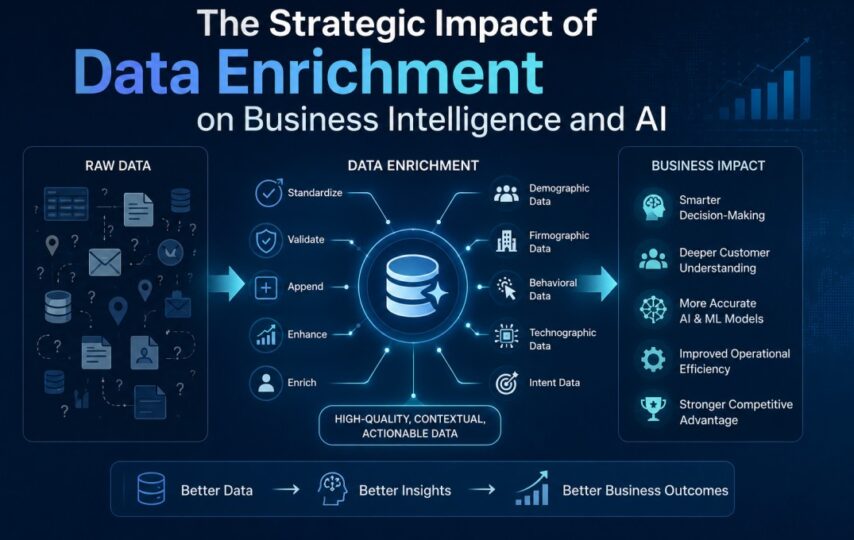
Modern businesses are faced with an ever-growing volume of data, but raw, unprocessed data rarely provides the insights needed for strategic decision-making. This is where processes like data enrichment come into play. By supplementing existing records with relevant, contextual information, organizations can transform flat datasets into actionable intelligence that powers competitive advantage.
For instance, businesses can increase the value of their current databases by integrating supplementary sources, such as demographic or psychographic data. This robust foundation enables leaders to make decisions with greater confidence, as they are guided by a holistic picture rather than fragmented details.
Enriching data helps uncover hidden trends and strengthens segmentation strategies. Companies can then deliver personalized experiences to consumers, efficiently allocate resources, and anticipate shifts in their industries with much higher precision.
Ultimately, data enrichment acts as a connecting bridge between transactional information and deep business context. This linkage is vital for organizations that want to evolve from reactive analysis to proactive intelligence.
Enhancing Decision-Making with Enriched Data
The benefits of enrichment are most evident in the realm of decision-making. By coupling transaction history with external data points, such as purchasing power, online behavior, or location, companies can develop multi-dimensional profiles of their customers. This detailed view enables more effective targeting in marketing campaigns, improved product recommendations, and higher levels of customer satisfaction.
Beyond the customer domain, enriched data can highlight operational inefficiencies and identify market opportunities that would otherwise go unnoticed. By refining business processes with rich, up-to-date insights, organizations can proactively address risks and capture growth potential in real time.

Leading publications such as Harvard Business Review highlight that successful data-driven organizations are those that invest in giving context to their data, not just collecting more of it.
Integrating AI with Data Enrichment
The intersection of artificial intelligence and enriched data is rapidly redefining what is possible in analytics. AI systems depend on the quality and breadth of data to generate accurate predictions and insightful recommendations. Enriched datasets empower algorithms to perform deeper analysis, yielding more reliable outputs and fostering new levels of automation throughout business processes.
With this synergy, companies can automate customer support responses, detect fraud more effectively, or even predict product demand with heightened accuracy. Machine learning models trained with well-enriched data consistently outperform those working solely with internal data, notably improving innovation, efficiency, and overall customer experience.
Overcoming Challenges in Data Enrichment
Despite its advantages, implementing data enrichment presents significant challenges. Data silos, where information is stored in separate, non-communicating departments, can stifle integration efforts. Even when data sources are connected, maintaining quality, completeness, and consistency requires ongoing vigilance.
Effective organizations establish strong data governance frameworks, adopt leading integration technologies, and foster interdepartmental collaboration. Strategic partnerships with reliable enrichment providers further enhance trust in the newly integrated datasets and ensure that data remains accurate and relevant over time.
According to Forbes Technology Council, integrating disparate datasets is a critical step for realizing the full value of digital transformation initiatives.
Real-World Applications of Data Enrichment
Across industries, data enrichment is driving measurable value. Retailers utilize enriched profiles to create personalized shopping journeys, presenting offers aligned with each customer’s preferences and history. This approach translates to greater engagement, increased loyalty, and higher sales conversion rates.
Financial institutions augment their security strategies by accessing external credit histories or geolocation signals, enhancing their ability to detect and prevent fraud. Healthcare organizations, similarly, can provide more accurate diagnoses by consolidating patients’ clinical records with external health insights, leading to improved patient outcomes and cost savings.
Best Practices for Implementing Data Enrichment
To maximize the benefits of data enrichment, companies should follow several guiding principles:
- Pinpoint current data gaps and define clear informational needs aligned with business objectives.
- Partner with enrichment service providers who demonstrate accuracy and data transparency.
- Plan for seamless integration of new data sources within existing technology ecosystems.
- Maintain a continuous process for monitoring, cleansing, and updating data to preserve quality over time.
Future Trends in Data Enrichment
Advances in machine learning and real-time analytics are shaping the future of data enrichment. Businesses are increasingly moving toward instant enrichment, upgrading CRM and operational databases in real time as new information becomes available. This approach amplifies agility and responsiveness in decision-making processes.
Furthermore, as data marketplaces expand, organizations gain easier access to a wide array of external enrichment sources, paving the way for more sophisticated and scalable strategies that keep pace with evolving market demands. These trends position data enrichment as an indispensable component for digital leaders seeking to maintain relevance in a rapidly changing environment.
Conclusion
Data enrichment stands as a catalyst for unlocking business insights, fueling both strategic intelligence and AI initiatives. By transforming basic data into multi-faceted information, organizations gain the clarity required for proactive decision-making and sustainable growth. With a focus on integration, quality, and continuous improvement, data-driven companies can overcome enrichment challenges and fully leverage their most valuable asset: information.