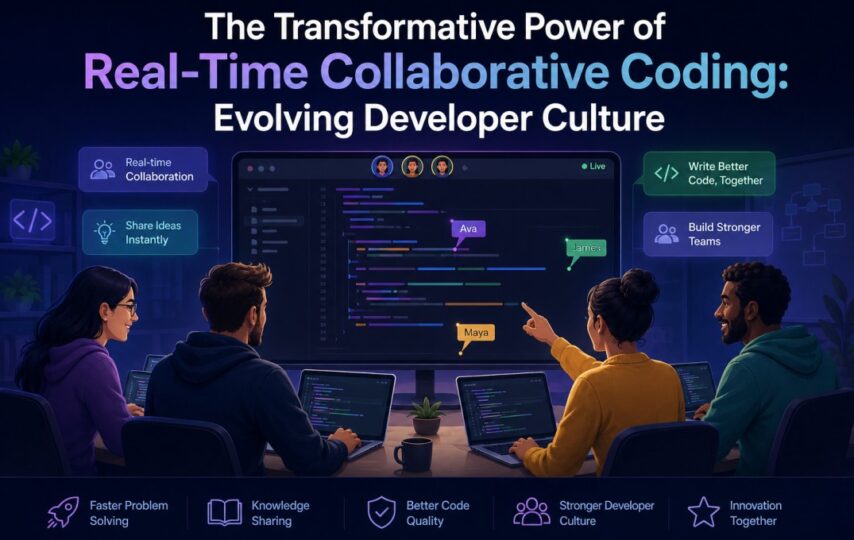

In today’s fast-paced software landscape, real-time collaborative coding is dramatically transforming how developers build, iterate, and ship products. Rather than isolated keystrokes or asynchronous pull requests, developers now experience a seamless, shared workflow that merges creativity and productivity. This evolution is not only driven by technological progress but is also inspiring a deeper cultural shift towards connectivity and community among software professionals. Tools such as Replit exemplify this shift, enabling distributed teams and individuals to contribute code in unison, regardless of their physical locations.
Moving beyond the limitations of screen sharing and static code reviews, real-time collaborative coding fosters an interactive, rapid-feedback environment. For many development teams, this means fewer bottlenecks, more spontaneous brainstorming sessions, and greater innovation. The changes in workflow, collaboration style, and even team culture extend beyond technical benefits, nurturing a sense of collective ownership.
The Rise of Real-Time Collaborative Tools
Platforms such as Genuitec’s CodeTogether are redefining traditional workflows by empowering multiple programmers to work simultaneously on the same codebase. By eliminating the need for back-and-forth commits and protracted code review cycles, these tools provide a more dynamic development environment. Instead of the limitations of version control and handoff delays, developers can interact and edit in real time, significantly streamlining the software development lifecycle. This has created a more agile, responsive, and efficient development process that benefits both small agile teams and large enterprise environments.
Enhancing Productivity Through Simultaneous Editing
Enabling developers to concurrently edit and review code changes expedites both deployment and decision-making. Instead of long pauses between commits, developers collaborate in real time, resolving issues as they arise. Recent studies, such as those referenced by CNBC, indicate that top engineering teams leveraging AI-powered and collaborative tools can achieve twice the productivity. These productivity enhancements result not only from faster code delivery but also from improved code quality and team alignment during the development process. The shift contributes to a continuous cycle of learning and adaptation, which is critical in an industry where innovation is non-negotiable.
Breaking Down Geographical Barriers
Remote work has become the norm for many technology organizations, and real-time coding tools have proved invaluable in this context. Developers from diverse geographical locations and time zones can confidently contribute to codebases without disruption. This accessibility eliminates traditional boundaries that previously restricted recruiting from a limited geographical area or necessitated awkward meeting times. Teams that use real-time collaborative platforms experience fewer slowdowns and are better able to work across distributed environments. As a result, companies now focus more on sourcing talent globally, leading to increased diversity and fresh perspectives in the tech community.
Fostering a Culture of Immediate Feedback
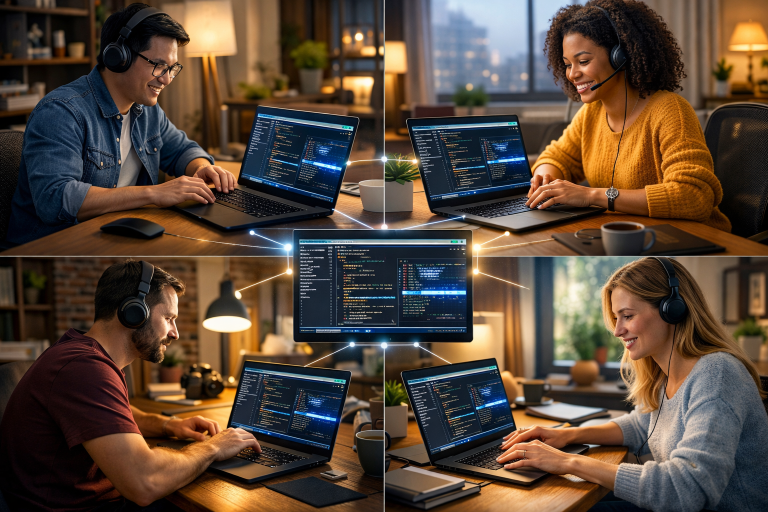
One of the most profound changes real-time collaborative coding introduces is the culture of instant feedback. Developers can see code changes as they happen, ask questions in the moment, and provide suggestions that are acted on immediately. This immediate feedback shortens the learning curve for junior developers and helps foster a mentoring culture. Peer reviews do not wait for the next team meeting but become part of the flow of work, ensuring better code quality and deeper team cohesion. This environment allows best practices and organizational standards to be enforced continuously, rather than retrospectively.
Challenges in Real-Time Collaboration
Despite the substantial benefits, real-time collaborative coding is not without its challenges. Managing simultaneous edits can lead to merge conflicts and potential overwriting of work, making robust version control essential. Teams must navigate differences in coding styles, time zone overlap, and the need for high-touch communication to avoid misunderstandings. Additionally, maintaining focus during collaborative sessions can be difficult, especially for larger teams or lengthy coding sessions. Success in this environment requires not just technology but also deliberate communication strategies and clear team agreements on coordination processes.
The Future of Developer Culture
Looking ahead, real-time collaborative coding signals a broader cultural evolution within the software community. As these tools gain adoption, they amplify transparency and inclusivity, empowering all voices to be heard regardless of tenure, geography, or background. Developers benefit from an environment rich in instant learning, diverse viewpoints, and continuous improvement. Organizations that embrace this collaborative model are positioned to innovate faster and foster talent more effectively. The culture shift towards real-time collaboration is a foundational change for the entire tech ecosystem, building resilient, inventive teams that are closely connected through shared goals and experiences.
Embracing real-time collaborative coding is more than a technical upgrade; it is an investment in the future of developer culture and innovation. The development community, equipped with new tools and new ways to work together, stands ready for unprecedented growth and creativity.