
Composite materials are used in many products to this day. They are robust, lightweight, and durable. The composite materials used in boats, cars, aircraft, wind turbine blades, sporting goods, and many other products are just a few examples.
It is important for the manufacturers to have an easy and effective way of manufacturing these products. Among the various methods available for manufacturing composites, vacuum infusion is a popular technique. It aids in producing strong parts with less resin usage and proper positioning of the material.
In this article, we will provide a very simple explanation of vacuum infusion spray adhesive bonding technology.
What Is Vacuum Infusion?
Vacuum infusion is a method used to make composite parts. It is a vacuum process for extracting liquid resin from dry materials.
First, dry materials, like fiberglass or carbon fiber, are installed in a mold. The materials used for this purpose are used to impart strength to the finished product.
Over the materials, a special plastic bag is then laid out. The edges of the bag are closed so that air cannot get in.
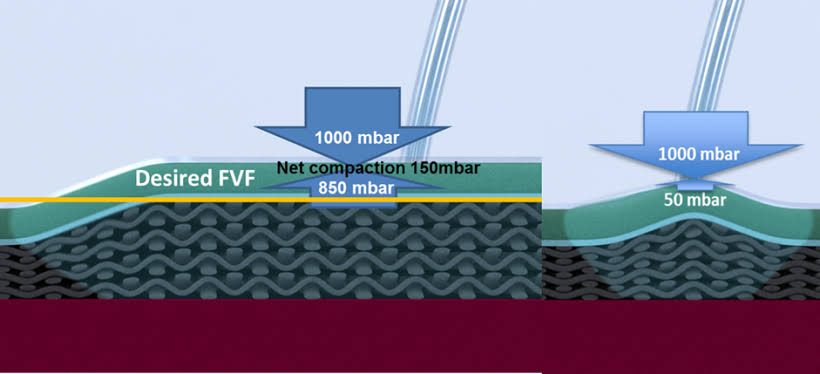
A vacuum pump sucks the air out of the bag. This creates pressure. The pressure thereafter forces the liquid resin to flow through the dry fibers.
The resin is allowed to set and harden when it is all distributed to the necessary places. Once it has hardened, the finished composite part is taken out of the mold.
How Does the Vacuum Infusion Process Work?
The vacuum infusion process is a relatively simple procedure.
The mold is cleaned and treated. A clean mold helps create a better final product.
After that, the mould is filled with dry fibre materials. The number of layers is based on the strength and thickness desired in the final product.
Then a vacuum bag is put over the materials. The bag must be tightly sealed. The vacuum might not operate properly if air can get into the bag.
Then the system is hooked up to a vacuum pump. It evacuates the bag and forms a vacuum in it.
The resin is then allowed to flow into the system. The vacuum pressure sucks the resin through the fibers. The resin gradually permeates into the material.
Once all the fibres are coated in resin, the resin is cured. Once cured, the part is hard and strong.
Why Are Adhesives Used in Vacuum Infusion?
In the preparation of composite parts, adhesives can be beneficial. Various layers of fiber and other materials must remain in their proper location.
When the materials are moving during the preparation process, it may impact the final product. These materials can be held in place by an adhesive.
Dry fibers, foam cores, and other materials can be temporarily secured into place with a vacuum infusion spray adhesive prior to resin application. This can be a simpler and quicker preparation process.
The proper adhesive must always be used for the material and process.
Main Benefits of Vacuum Infusion
There are numerous advantages of using vacuum infusion in composite production.
An advantage of this is that it can produce lightweight parts. In many applications, composite products must be strong, but also light.
The process can also be employed to regulate resin consumption. Excess resin may increase the weight of a part. Vacuum infusion offers benefits to manufacturers in the area of obtaining a resin/fiber balance.
Another advantage is that the material used is high quality. If it’s carried out properly, the vacuum can help lower the amount of air within the composite material.
Vacuum infusion can also be employed in the manufacture of large parts. This is suitable for industries that manufacture big composite products.
Vacuum Infusion and Hand Lay-Up
Another typical way to produce composite products is hand lay-up. In this technique, the raw materials of fiber and resin are fed into a mold and hand-applied.
Hand lay-up is easy and requires no complicated set-up. It takes a great deal of hand work, however.
Vacuum infusion is a process of resin flowing through the fiber under vacuum pressure. This can provide better control of the manufacturing process.
Another benefit of vacuum infusion is that it can help to reduce excess resin and enhance the quality of the final product.
Where Is Vacuum Infusion Used?
Vacuum infusion is used in a number of industries.
It is the process employed by the boat industry to produce boat hulls, decks, and other components. These components should be sturdy, but not too heavy.
Even composite materials are used in the manufacturing of wind turbines. Vacuum infusion can be beneficial in the production of large turbine blades due to the strong and light nature of this material.
The process could be used to create lightweight parts in the automotive industry and other components.
Other uses of composite materials include aircraft, sports goods, construction products, and more.
Important Things to Check
There are a few points to take into consideration when working with vacuum infusion.
The mold must be clean and prepared for use prior to the process. The fibre materials should also be positioned properly.
Care must be taken to ensure that the vacuum bag is properly sealed. Even a small air leak can cause problems.
The resin should flow well, too. It should pass through the dry fibres before it begins to get hard.
When materials have to be secured in place, the correct adhesive is also crucial. It should have good compatibility with the material and not cause problems in the resin process.
How to Get Better Results
The vacuum infusion process can be easier if good preparation is done.
Before using the mold, always inspect it. Ensure that there are no unwanted gaps or damaged areas.
Carefully lay each layer of fiber. Ensure that materials are level and in place.
Before adding resin, inspect the vacuum bag for any leaks. A quality vacuum is used to ensure proper movement of the resin in the material.
Apply the correct resin, fibre, and adhesive to the job. If the process is followed correctly, it can help to produce a stronger, better composite part.
Final Thoughts
Vacuum infusion bonding technology is a useful method for making composite products. It is a vacuum pressure method that draws resin through dry fibers and builds strong parts.
It can aid manufacturers in creating lightweight and high-quality products. It is used in boats, cars, wind turbines, aircraft, sports items, and a wide variety of applications.
Adhesives can also facilitate the preparation by holding fibers and other materials in place. If prepared and equipped correctly, vacuum infusion can be a straightforward and successful process for making composite parts.