
For years, hardware startups selected manufacturing partners mainly based on production cost. While affordability remains important, today’s electronics industry requires a broader strategy. Supply chain disruptions, component shortages, and longer shipping times have shown that manufacturing decisions directly influence product launches and business growth.
Modern startups also need to move from prototype to production much faster than before. Investors, customers, and competitive markets expect shorter development cycles, making reliable manufacturing partnerships just as valuable as competitive pricing.
As a result, many companies are reassessing where their products are built. Europe has become an increasingly attractive option because it offers strong engineering collaboration, dependable manufacturing, and more resilient supply chains. This article explores the key reasons behind this growing trend.
Why PCB Manufacturing Strategies Are Changing Globally
The global electronics industry has changed significantly over the past few years. Logistics disruptions, fluctuating transportation costs, and longer component lead times exposed the risks of depending entirely on distant manufacturing locations. Even short delays can postpone product launches and affect business objectives.
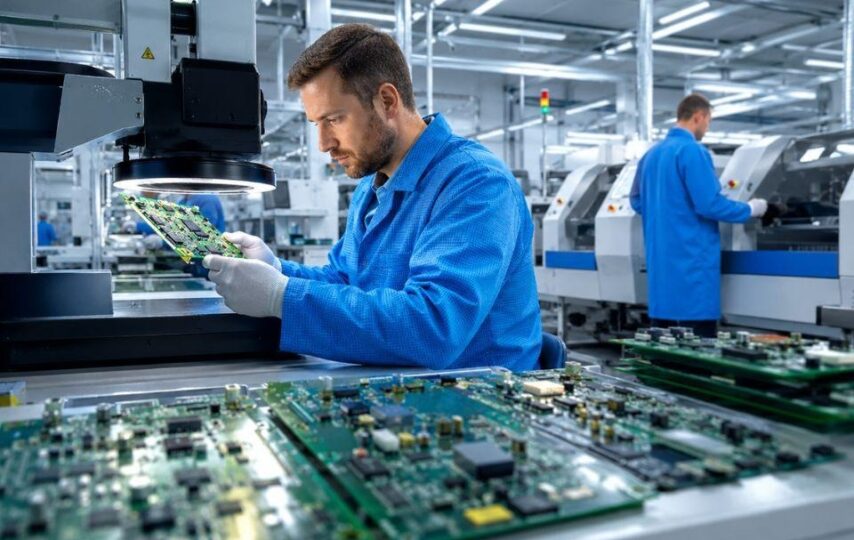
At the same time, hardware products have become more sophisticated, requiring closer collaboration between design engineers and manufacturing teams. Design for Manufacturing (DFM), component sourcing, and rapid engineering feedback now play an important role in reducing costly design revisions before production begins.
Instead of focusing only on manufacturing cost, startups increasingly prioritize supply chain resilience, production flexibility, quality management, and reliable engineering support when selecting an electronics manufacturing partner.
Why More Hardware Startups Are Bringing PCB Assembly Back to Europe
The renewed interest in European manufacturing is driven by several business and technical factors rather than one single reason. Startups are looking for partners that can support both product development and efficient production.
Manufacturing partners now contribute far beyond component placement. Early engineering feedback, transparent communication, and predictable production schedules help reduce project risks while improving product quality.
Because of these advantages, many businesses are exploring regional solutions such as PCB assembly Poland, where modern Surface Mount Technology (SMT) capabilities and experienced engineering teams support prototype and low-to-medium volume production.
8 Reasons Hardware Startups Are Choosing European PCB Assembly
1. Faster Prototype-to-Production Cycles
Hardware startups rarely move directly from the first prototype to mass production. Most products require multiple revisions before reaching a stable design.
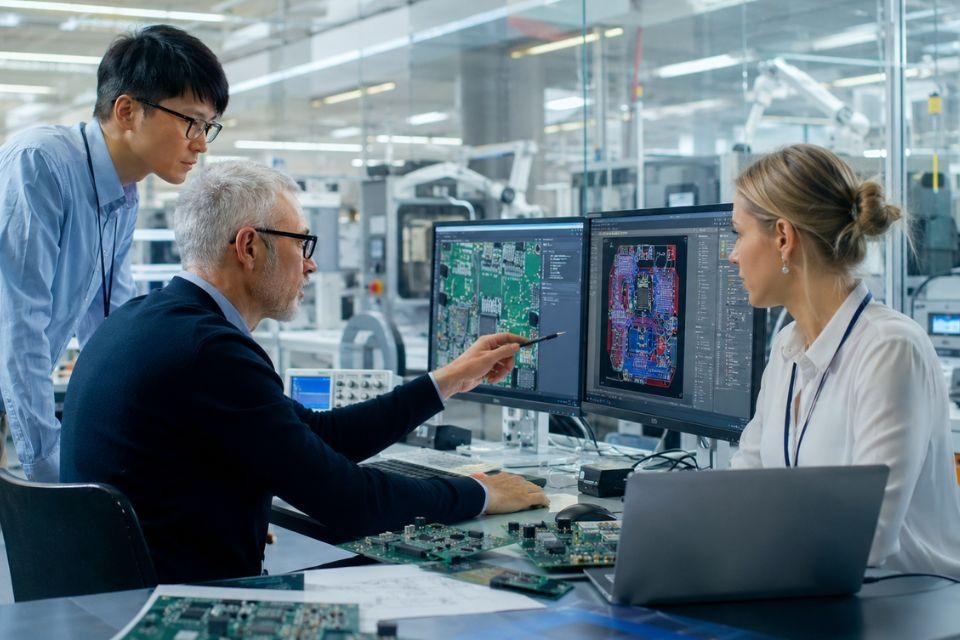
European manufacturers often provide faster engineering communication and quicker DFM feedback, allowing design changes to be reviewed and implemented without unnecessary delays.
Shorter prototype cycles help startups validate designs faster, accelerate product launches, and reduce the overall cost of repeated engineering changes.
2. More Reliable Supply Chains
Supply chain reliability has become a major competitive advantage. Long-distance transportation and complex logistics networks can introduce unexpected delays that affect production schedules.
Manufacturing closer to target markets improves inventory planning, shortens transportation routes, and provides better visibility throughout the production process.
This predictability allows startups to manage procurement more effectively while reducing the risk of costly delivery interruptions.
3. Better Manufacturing Quality and Process Control
Consistent manufacturing quality is essential for startups introducing new electronic products. Small assembly defects can quickly become expensive warranty issues or delay commercial launches.
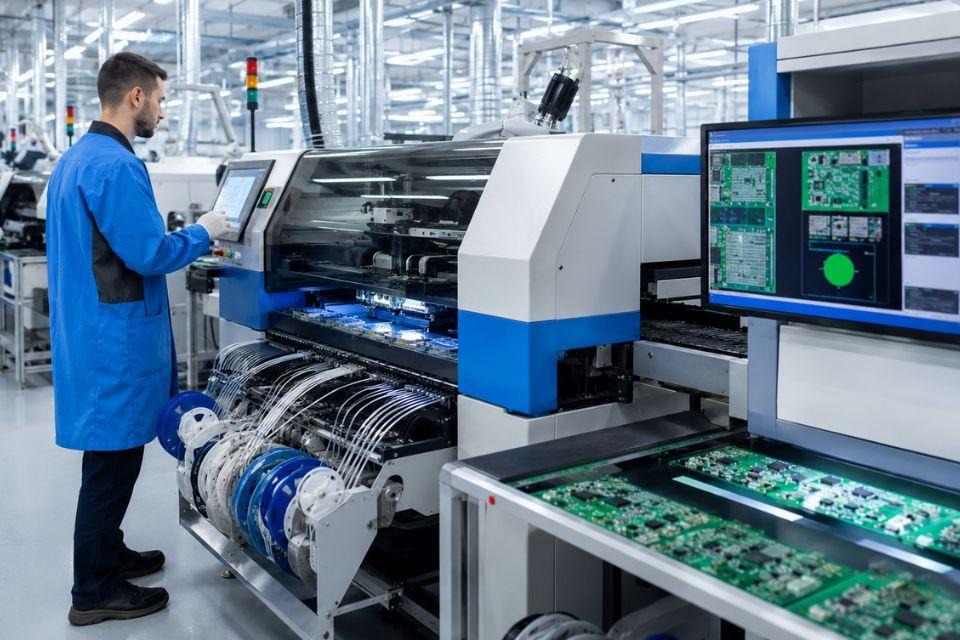
Many European manufacturers use structured quality management systems supported by Automated Optical Inspection (AOI), production traceability, and standardized inspection procedures to maintain consistent results.
These processes improve manufacturing reliability while reducing defects, rework, and quality-related production risks.
4. Easier Collaboration Between Engineers and Manufacturers
Successful PCB assembly depends on effective communication between product designers and manufacturing engineers throughout the development process.
Working within similar business hours enables faster technical discussions, quicker approval of engineering changes, and more efficient Design for Manufacturing reviews before production begins.
This collaborative approach reduces misunderstandings, speeds up decision-making, and helps startups move smoothly from prototype validation to reliable production.
5. Stronger Intellectual Property Protection
For many hardware startups, intellectual property is one of their most valuable assets. Protecting PCB layouts, firmware, and proprietary product designs is essential throughout the manufacturing process.
European manufacturers generally operate within well-established legal frameworks that emphasize confidentiality, contractual obligations, and secure handling of customer data. These practices help reduce the risk of unauthorized design sharing.
This is one reason startups developing innovative industrial, medical, or embedded electronics often consider regional manufacturing as part of a broader risk management strategy.
6. Compliance with European Regulations
Many startups plan to sell products in European markets where regulatory compliance is an important consideration. Manufacturing with partners familiar with these requirements can simplify the production process.
Experienced European manufacturers understand standards such as RoHS, REACH, product traceability, and documentation requirements that support regulatory compliance throughout production.
Companies looking for integrated manufacturing services, including box build assembly Poland, may also benefit from working with suppliers that understand both PCB assembly and final product integration under consistent quality procedures.
7. Lower Logistics Risks and More Predictable Lead Times
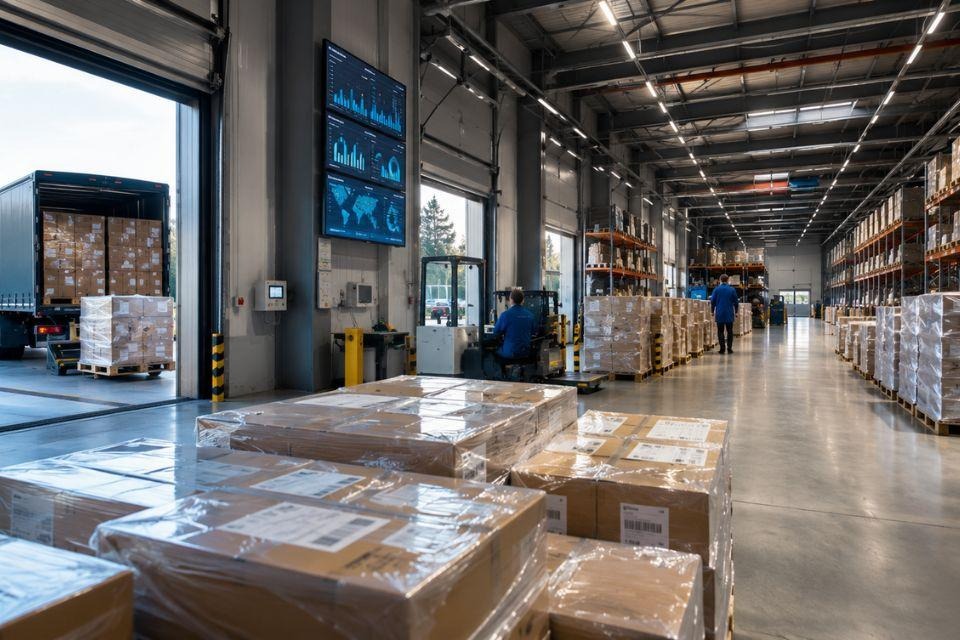
Reliable delivery schedules are becoming increasingly important for startups managing product launches and customer commitments. Unexpected shipping delays can affect manufacturing schedules and increase inventory costs.
Regional production reduces transportation distance, simplifies customs procedures within many European markets, and improves forecasting accuracy. Better visibility throughout the supply chain allows businesses to respond more effectively to changing demand.
Many European Electronics Manufacturing Services (EMS) providers, including companies such as tstronic, also emphasize transparent project communication, allowing customers to monitor production progress more efficiently at each stage of manufacturing.
8. Long-Term Value Beyond Initial Manufacturing Cost
Although offshore manufacturing may sometimes offer lower unit prices, total manufacturing cost extends beyond the initial quotation. Delays, quality issues, rework, and communication challenges can significantly increase overall project expenses.
Evaluating the total cost of ownership provides a more realistic picture of manufacturing value. Faster engineering support, improved quality consistency, and predictable delivery schedules often contribute to lower long-term operating costs.
For startups focused on sustainable growth, manufacturing decisions should balance cost, quality, flexibility, and reliability rather than focusing exclusively on the lowest production price.
Europe vs. Offshore PCB Assembly: A Practical Comparison
The choice between European and offshore manufacturing depends on product requirements, production volume, and business priorities. Each approach offers distinct advantages depending on the stage of product development.
| Factor | European PCB Assembly | Offshore PCB Assembly |
| Lead Time | Generally shorter | Often longer |
| Engineering Support | Close collaboration | May vary |
| Quality Control | Strong process control | Depends on supplier |
| Communication | Easier time-zone alignment | Possible delays |
| Logistics | Simpler regional transport | Longer shipping routes |
| Compliance | Strong regulatory familiarity | Varies by manufacturer |
| Prototype Speed | Faster iterations | Longer turnaround |
| High-Volume Production | Moderate to high | Often highly competitive |
| Typical Cost Structure | Higher unit cost, lower risk | Lower unit cost, higher logistics complexity |
Neither option is universally better. Offshore manufacturing remains attractive for mature, high-volume consumer products, while European manufacturing often provides advantages for prototypes, complex assemblies, and products requiring close engineering collaboration.
Is Moving PCB Assembly Back to Europe the Right Choice for Every Startup?
The answer depends on a company’s product strategy rather than following a single industry trend. Manufacturing decisions should always align with technical requirements, production goals, and long-term business priorities.
Offshore production may remain a practical choice for commodity electronics, stable product lines, or extremely high-volume manufacturing where minimizing unit cost is the primary objective.
However, startups developing industrial equipment, medical devices, automotive electronics, or other complex products often place greater value on engineering collaboration, manufacturing flexibility, and predictable production performance.
How Hardware Startups Can Choose the Right PCB Assembly Partner
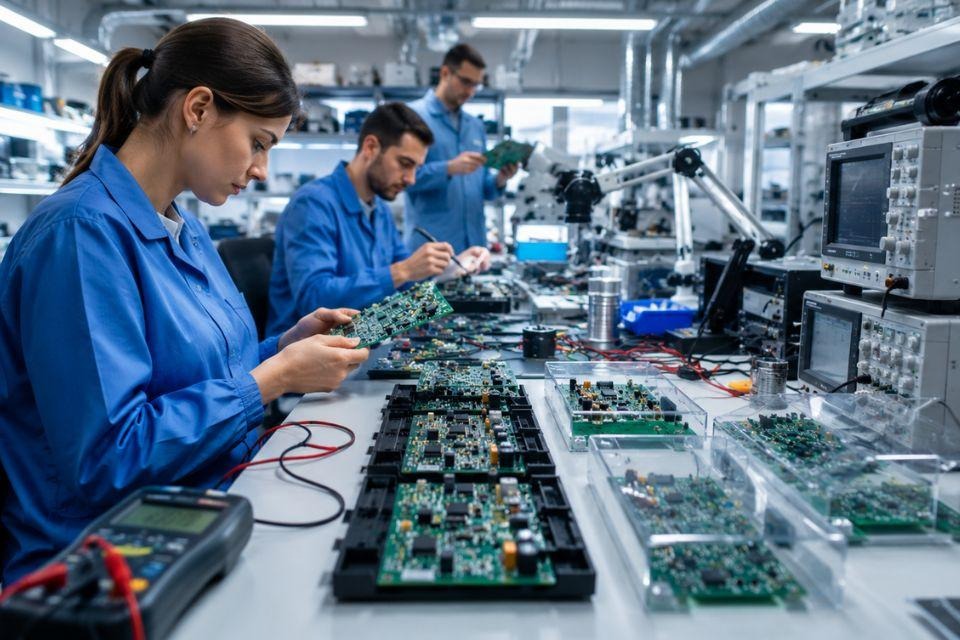
Selecting the right manufacturing partner requires evaluating more than production capacity alone. Engineering expertise, manufacturing certifications, testing capabilities, and quality management systems all influence long-term project success.
Startups should also assess communication practices, Design for Manufacturing support, component sourcing capabilities, production scalability, and traceability before making a decision.
Choosing a partner that combines technical knowledge with transparent project management helps reduce manufacturing risks while creating a stronger foundation for future product development.
Common Mistakes Startups Make When Selecting a PCB Assembly Provider
Choosing a PCB assembly provider is a strategic decision that can influence product quality, development speed, and long-term manufacturing success. However, many startups focus primarily on finding the lowest quotation, overlooking other factors that directly affect project outcomes. A low initial price may not reflect the total cost if production delays, quality issues, or communication challenges arise later.
Another common mistake is overlooking the manufacturer’s engineering capabilities. Design for Manufacturing (DFM) support, component sourcing expertise, testing services, and quality management systems all contribute to smoother production and fewer revisions. Startups should also verify certifications, production capacity, and traceability rather than assuming every supplier follows the same standards.
Communication is equally important. Delayed responses, unclear project updates, or limited technical collaboration can slow product development and increase project risk. Evaluating a manufacturer’s ability to support future production growth is just as important as meeting today’s prototype requirements.
Conclusion
The decision to manufacture PCB assemblies in Europe is about more than geography. It reflects a broader shift toward balancing cost, quality, engineering collaboration, supply chain resilience, and long-term business value. While offshore manufacturing continues to serve many applications effectively, regional production offers clear advantages for startups developing complex products that require rapid iteration and dependable manufacturing support.
Rather than assuming one manufacturing region is universally better, startups should evaluate their technical requirements, production goals, regulatory obligations, and future growth plans. A well-informed manufacturing strategy can reduce risk, improve product quality, and create a stronger foundation for successful commercialization.
Ready to Explore Your Manufacturing Options?
If you’re evaluating European electronics manufacturing partners, tstronic provides additional information and resources to help hardware companies better understand PCB assembly and integrated manufacturing solutions for modern electronics projects.
Frequently Asked Questions
Why are hardware startups moving PCB assembly projects back to Europe?
Many startups value shorter lead times, stronger engineering collaboration, improved supply chain resilience, and more predictable manufacturing schedules alongside competitive production quality.
Is PCB assembly in Europe more expensive?
Unit prices may be higher in some cases, but the overall cost of ownership can be lower when reduced delays, fewer defects, and improved communication are considered.
Which industries benefit most from European PCB assembly?
Industrial automation, medical devices, automotive electronics, aerospace, telecommunications, and high-reliability embedded systems often benefit from closer engineering collaboration and strict quality standards.
Does European manufacturing reduce lead times?
Regional manufacturing can shorten transportation distances, simplify logistics, and accelerate prototype revisions, helping startups reach production more efficiently.
What certifications should a PCB assembly partner have?
Depending on your industry, look for manufacturers with recognized quality management systems, IPC compliance, and relevant certifications that demonstrate consistent production processes.
Can European manufacturers support large production volumes?
Yes. Many facilities support everything from prototype assembly and high-mix, low-volume production to larger manufacturing programs, depending on their capabilities and available production capacity.