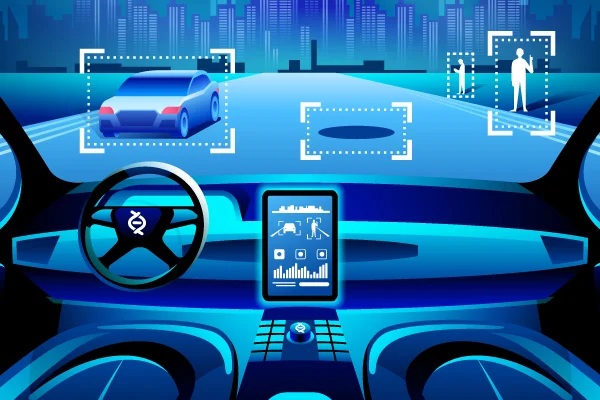

A vehicle’s resale value has traditionally been influenced by factors such as mileage, condition, brand reputation, and maintenance history. However, technology now plays an increasingly important role in determining how desirable a car remains as it ages. Modern buyers expect vehicles to offer more than dependable transportation. They also look for safety systems, connectivity, convenience, and efficiency.
While no feature can completely protect a vehicle from depreciation, certain technologies can help it remain competitive in the pre-owned market.
Advanced Driver Assistance Systems
Safety technology is one of the biggest factors shaping the long-term appeal of modern vehicles. Features such as automatic emergency braking, blind-spot monitoring, adaptive cruise control, and lane-keeping assistance are becoming more familiar to drivers.
A car equipped with these systems may attract more interest from future buyers, particularly families, commuters, and drivers who spend a significant amount of time on highways. Technologies that reduce accident risks can also help protect the vehicle itself from costly damage.
Buyers comparing used vehicles Orlando may therefore place greater value on models that include a strong package of active safety and driver assistance features.
Smartphone Connectivity
Drivers increasingly expect their vehicles to work seamlessly with their phones. Apple CarPlay and Android Auto allow users to access navigation, music, messages, and selected apps through the car’s infotainment display.
This connectivity can help an older vehicle feel more current, even when its built-in software is no longer the latest version. Because drivers can rely on frequently updated smartphone apps, the dashboard experience may remain useful for longer.
Cars without modern connectivity can feel dated much sooner, particularly to younger buyers who consider smartphone integration an essential feature rather than a luxury.
Parking and Camera Technology
Rearview cameras are now common, but many vehicles also offer front sensors, 360-degree camera systems, rear cross-traffic alerts, and automated parking assistance. These features can make everyday driving easier, especially in busy urban areas or crowded parking lots.
Parking technology may also help owners avoid minor collisions, dents, and scratches. Keeping a vehicle’s bodywork in good condition can directly support its future resale value.
Efficient Powertrain Technology
Fuel-saving features can make a car more affordable to run and more attractive to cost-conscious buyers. Turbocharged engines, hybrid systems, automatic stop-start technology, and advanced transmission designs can all improve efficiency.
Hybrid vehicles may be particularly appealing in the pre-owned market when their batteries and mechanical components have been properly maintained. Buyers often appreciate the opportunity to benefit from improved fuel economy without paying the full price of a new model.
Over-the-Air Software Updates
Some newer vehicles can receive software updates remotely, much like a smartphone. These updates may improve infotainment functions, address technical issues, or add new capabilities without requiring a dealership visit.
The ability to keep software current can slow down the rate at which a vehicle feels outdated. However, future buyers may still want to confirm that updates have been installed and that connected services remain supported.
Technology Must Be Properly Maintained
Technology supports value only when it works correctly. Damaged cameras, unresponsive touchscreens, faulty sensors, and missing software updates can reduce buyer confidence. Owners should address warning lights promptly, protect screens from damage, and keep records of repairs and updates.
Modern automotive technology cannot eliminate depreciation, but it can influence how quickly a car loses its appeal. Vehicles with useful, reliable, and well-maintained features are often better positioned to meet the expectations of future buyers.