
Recreational watersports have always combined speed, skill, and a strong sense of adventure. Now, smart technology is changing the experience even further. From connected displays and advanced safety features to more efficient engines, modern technology is helping riders enjoy the water with greater confidence, control, and convenience.
These developments are not limited to professional athletes or high-end equipment. Many smart features are becoming standard across personal watercraft, boats, boards, and wearable devices, making them more accessible to everyday enthusiasts.
More Control on the Water
One of the biggest benefits of smart technology is improved control. Modern personal watercraft often include digital throttle systems, multiple riding modes, and intelligent braking features. These tools allow riders to adjust performance based on their experience level, the water conditions, or the type of activity they have planned.
A beginner may prefer a mode that limits acceleration, while a more experienced rider can select settings that deliver faster response and sharper handling. This flexibility makes it easier for different members of a family or group to use the same equipment safely.
Connected Displays and Navigation
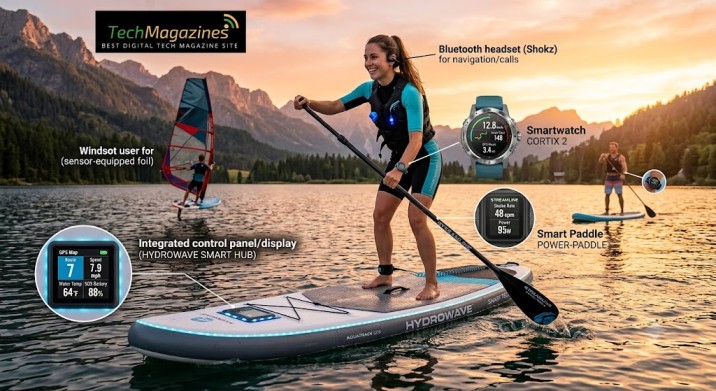
Digital displays have become much more advanced. Riders can now access information such as speed, fuel level, range, water depth, and navigation guidance from one central screen. Some systems can also connect to smartphones, allowing users to view calls, messages, music controls, and compatible apps while on the water.
This connectivity can be especially useful for riders exploring unfamiliar lakes, rivers, or coastal areas. GPS navigation helps them follow routes, identify launch points, and return to shore without relying entirely on visual landmarks.
For enthusiasts researching new personal watercraft, dealerships serving Temecula Sea-Doo riders can provide information on the latest connected features and performance options. Anyone comparing models using searches such as Seadoo Temecula should consider how onboard technology fits their riding habits, experience, and preferred watersports.
Smarter Safety Features
Safety remains one of the most important areas of technological development. Wearable tracking devices, communication tools, and engine cutoff systems can all help reduce risk. Some emergency personal watercraft also include braking and reverse systems that give riders more control when approaching docks, swimmers, or other vessels.
Smartphone apps and connected devices can share location data with friends or family members onshore. This is particularly valuable when riding in large open-water areas where conditions can change quickly.
Technology does not replace responsible behavior, but it can provide an additional layer of protection when combined with proper training, life jackets, and awareness of local boating rules.
Better Performance and Efficiency
Smart engine management systems help modern watercraft deliver smoother power while using fuel more efficiently. Sensors can continuously monitor performance and adjust settings to suit current conditions. This can reduce unnecessary fuel consumption while helping protect important mechanical components.
Some systems also provide maintenance alerts, reminding owners when inspections or servicing may be needed. By identifying potential problems early, riders may be able to avoid unexpected breakdowns and costly repairs.
A More Personalized Experience
Technology is also making watersports more customizable. Riders can save preferred settings, track routes, monitor performance, and review information from previous outings. Music systems, accessory connections, and adjustable riding modes allow each trip to feel more personal.
As smart features continue to develop, recreational watersports are becoming safer, easier to manage, and more engaging. The thrill of being on the water remains the same, but modern technology is giving riders better tools to make every outing more enjoyable.